
Cement Backer Board
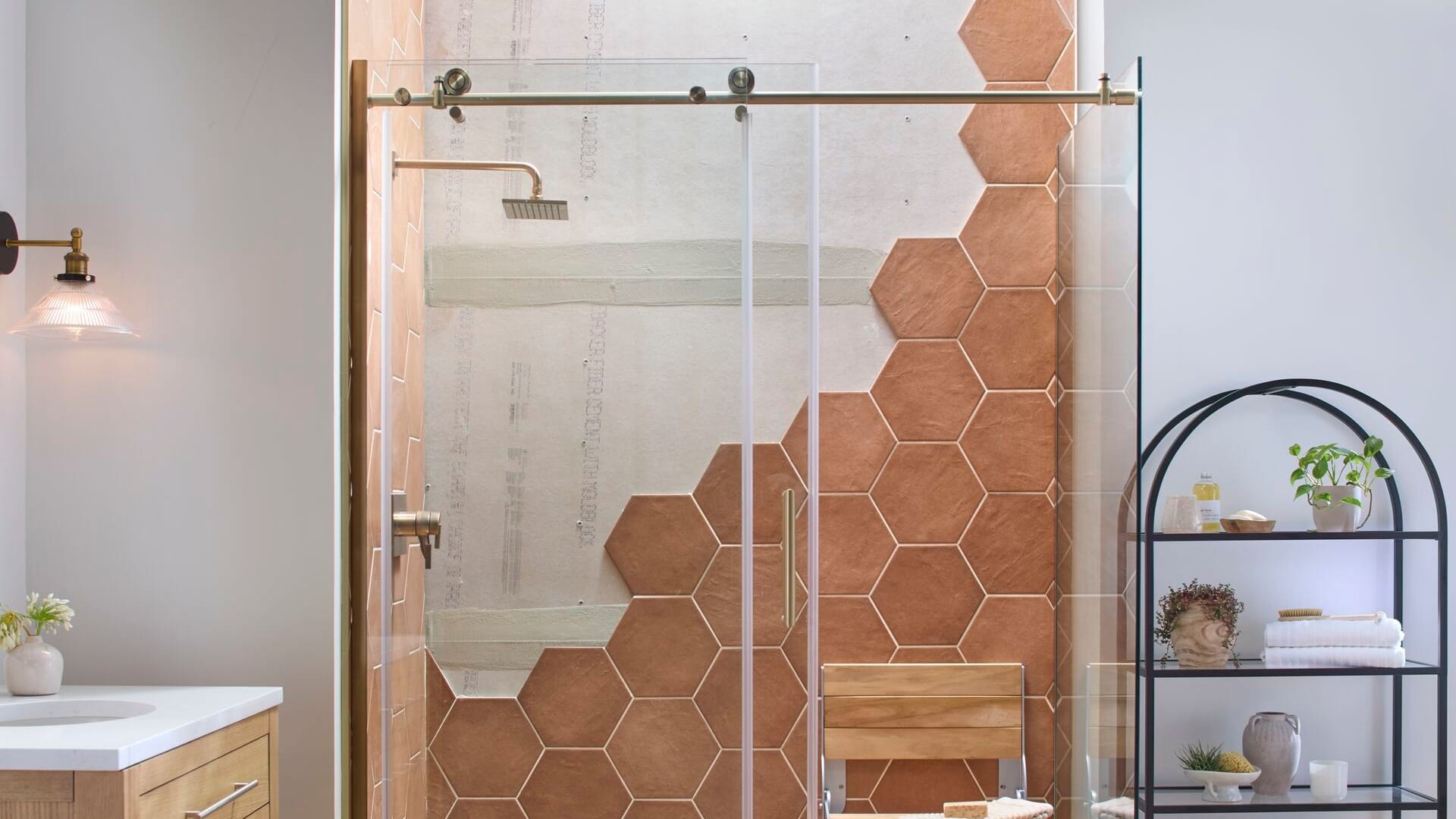
About Cement Backer Board
Tile is only as good as what is behind it. In a shower, a tub surround or a bathroom floor, a backing that takes on water can swell and let the tile go, which is why wet areas get cement backer board instead: a sheet of Portland cement and sand reinforced with cellulose fibre, with no gypsum in it, made to stay sound where it gets wet and hold the tile. As an authorized James Hardie dealer we supply Hardie® Backer 500, the 0.42 in. board in 3x5 ft. and 32 in. x 5 ft. sheets.
It goes behind tile on shower and tub walls, bathroom and kitchen floors, backsplashes and countertops, and in laundry rooms and mudrooms. In Canada, Hardie Backer 500 is evaluated as moisture-resistant tile backing in CCMC Evaluation Report 14091-R. We supply renovators, tile setters and contractors across York Region and the GTA from Newmarket.
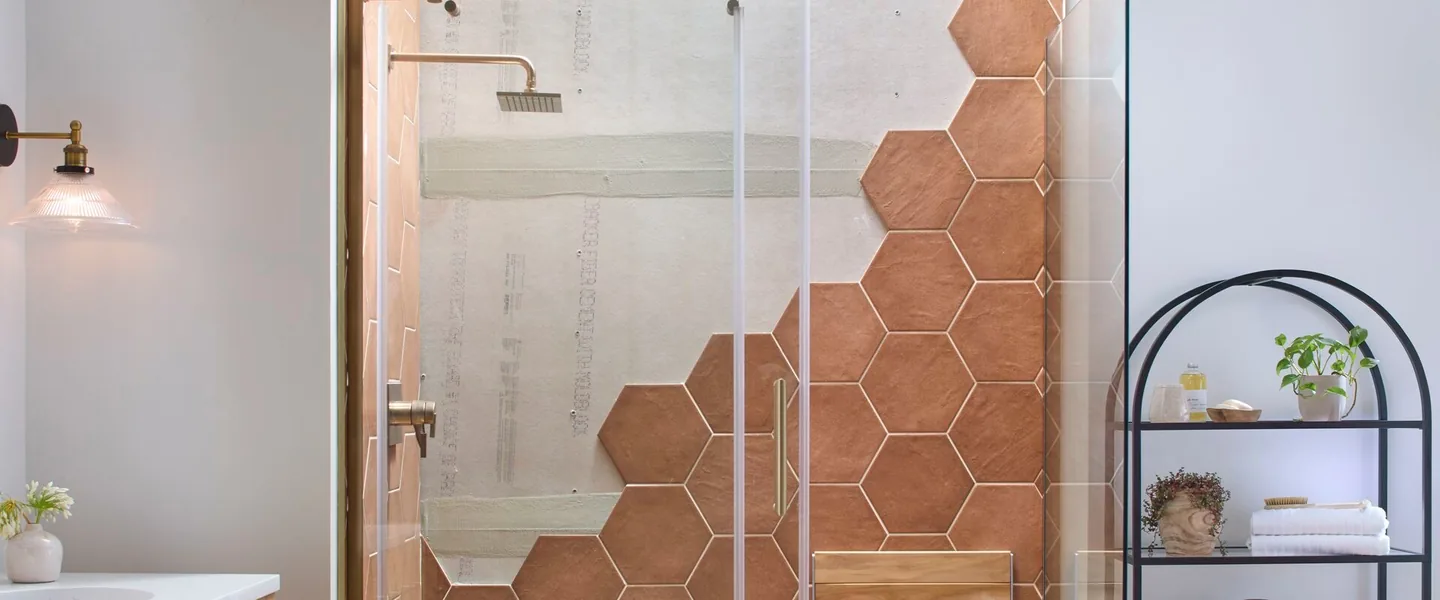
Cement Backer Board: At a Glance
1
Products
in this category
Quote
Pricing
request for trade pricing
Cement Backer Board Buying Guide
Key factors to evaluate when specifying cement backer board for your project.
Moisture resistant is not waterproof
Cement board does not break down when wet, but water passes through it. CCMC 14091-R says so plainly for Hardie Backer 500: where the space behind has to stay dry, as in a shower, a water-impermeable membrane goes between the board and the framing. A surface-applied waterproofing membrane over the board is the other common approach; confirm it with the membrane maker and your building official.
Framing
Walls need studs no more than 400 mm (16 in.) apart, wood or 20 ga steel. The board adds no bracing, so it cannot stand in for sheathing on a wall that needs it. Keep the bottom edge 1/4 in. above the tub, pan or floor and caulk the gap.
Fastening and joints
Use 1 1/4 in. corrosion-resistant roofing nails or ribbed wafer head screws every 8 in. at each support, 3/8 in. from edges and 2 in. from corners. Fill every joint with thinset and embed 2 in. alkali-resistant mesh tape.
Floors
James Hardie's instructions call for a subfloor of at least 5/8 in. exterior plywood or 23/32 in. OSB, joists at 24 in. maximum, and the board bedded in modified thinset with a 1/4 in. square notch trowel. It is not for use over concrete. The CCMC report evaluates floor underlay only for the 1/4 in. board, which is not sold in Ontario, so confirm floor use with your building official.
Cutting
Score with a carbide-tipped knife and snap. Do not cut with high-speed power tools indoors: cement board dust contains crystalline silica.
Frequently Asked Questions
What is cement backer board used for?
It is the backing for tile in wet areas: shower and tub walls, bathroom and kitchen floors, backsplashes and countertops, laundry rooms and mudrooms. It can also be painted, wallpapered or textured like drywall where a tougher, moisture-resistant surface is wanted.
Is cement board waterproof?
No. It resists moisture and will not break down when wet, but water can pass through it. For a shower, CCMC Evaluation Report 14091-R requires a water-impermeable membrane between Hardie Backer 500 and the framing wherever the space behind has to stay dry. A surface-applied membrane over the board before tiling is also common practice; follow the membrane maker's instructions.
What thickness of cement board do I need?
For walls, the 0.42 in. (roughly 1/2 in.) Hardie Backer 500 is the standard, and it is the board sold in Ontario. It sits just under 1/2 in. drywall, and James Hardie notes that shims can bring the two flush where they meet.
Can I use drywall screws on cement board?
No. Use corrosion-resistant fasteners: 1 1/4 in. minimum galvanized or stainless roofing nails, or 1 1/4 in. No. 8 ribbed wafer head screws made for cement board, every 8 in. at each stud.