
Engineered Wood Siding
About Engineered Wood Siding
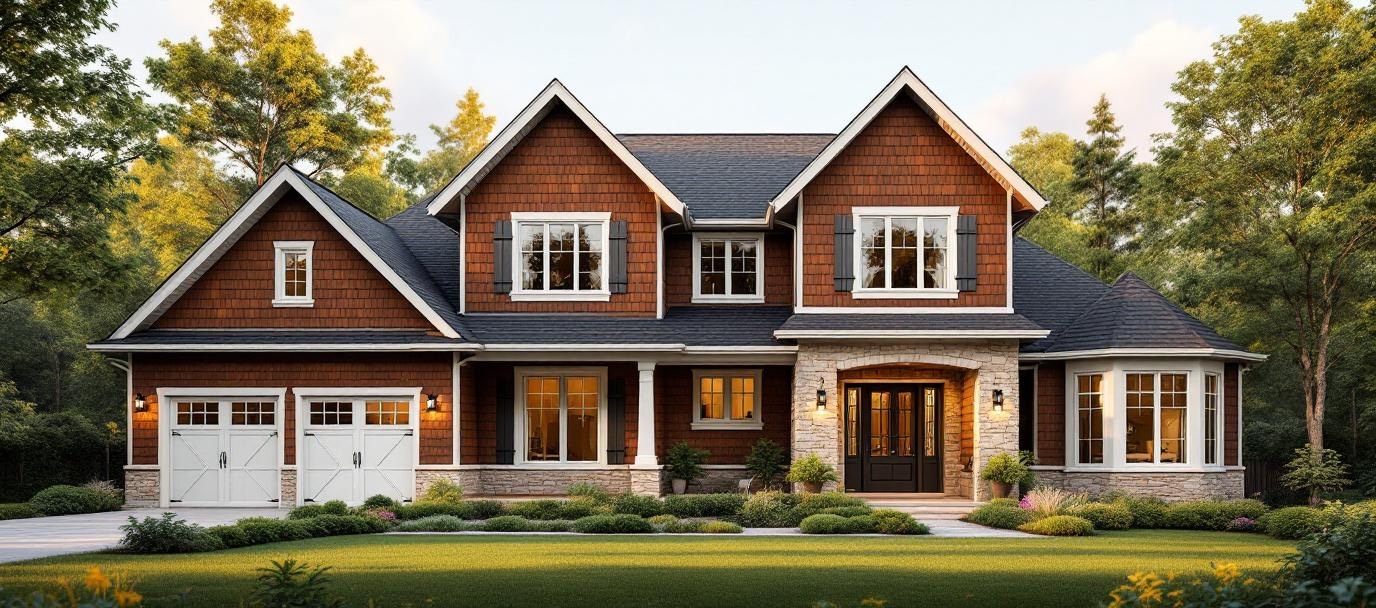
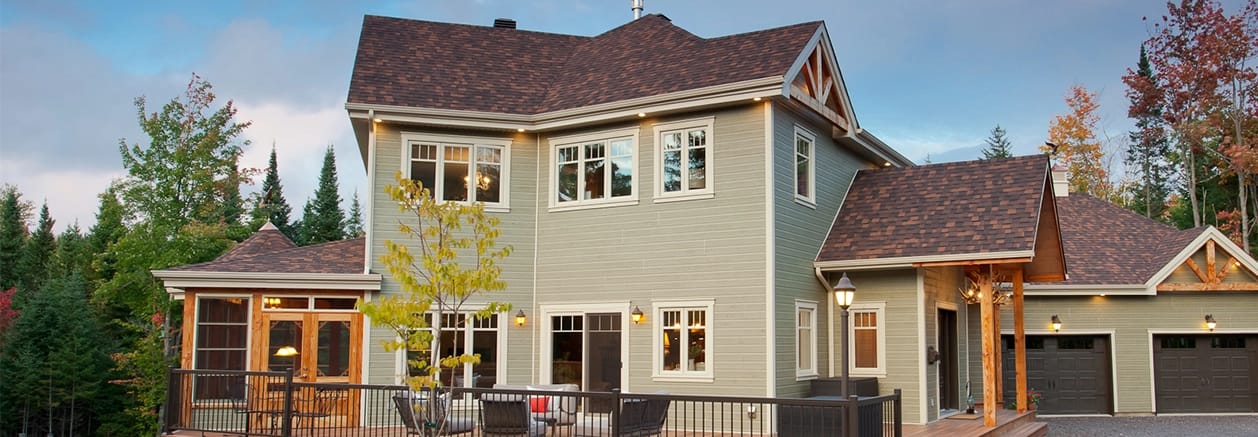
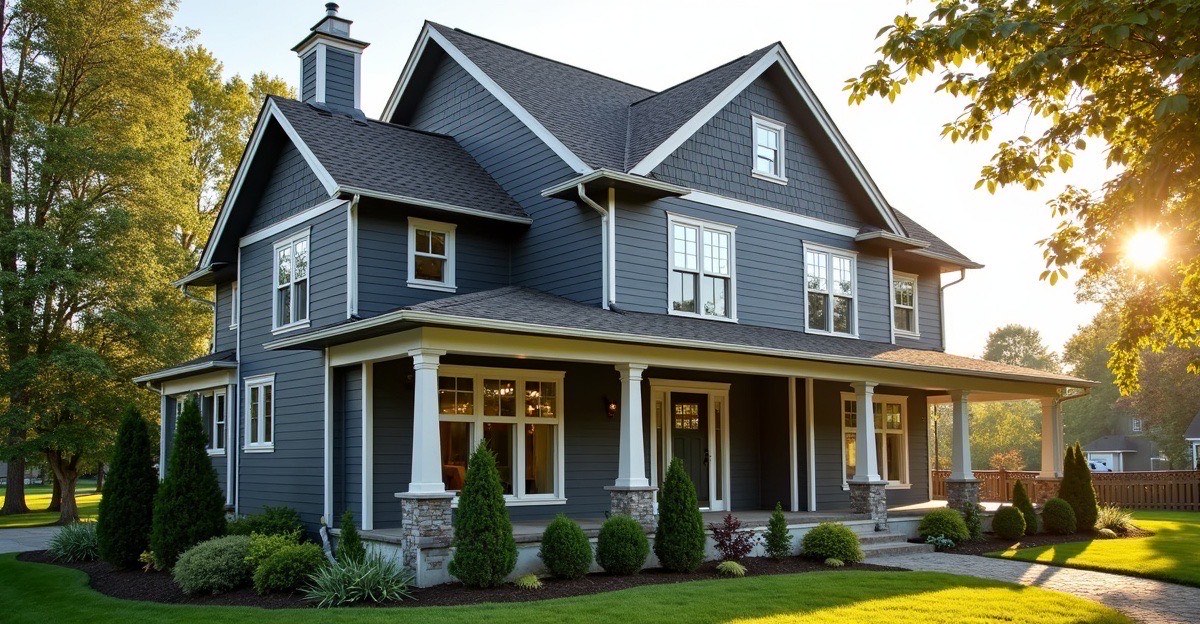
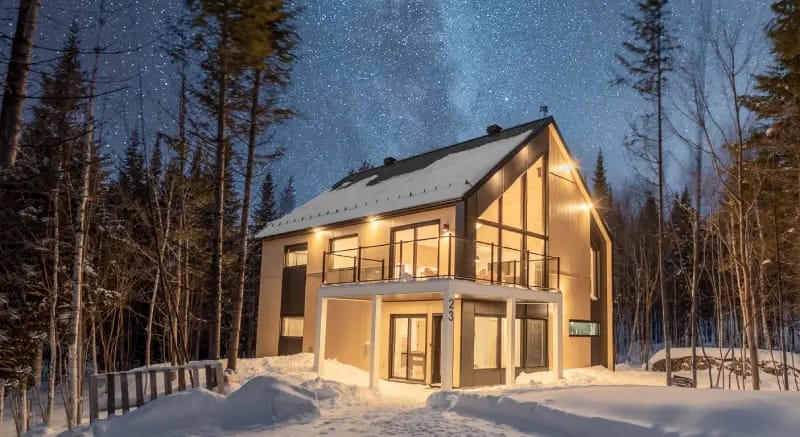
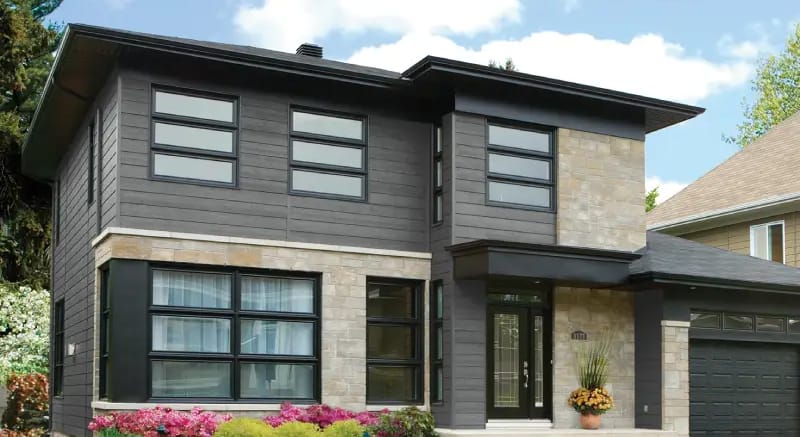
Engineered wood siding delivers what natural cedar promises but rarely sustains long-term: authentic wood texture, deep colour, and dimensional stability - without rot, splitting, insect damage, or the lifetime repainting that makes real wood expensive to own. We supply CanExel prefinished wood-fibre siding, LP SmartSide engineered wood panels and Kaycan's CanExel profiles: products used on custom homes, multi-family buildings, and commercial facades where material quality and architectural character are non-negotiable. Looking for fibre cement? James Hardie and Allura have their own page: fibre cement siding.
CanExel arrives factory-prefinished - no field painting required on initial installation. LP SmartSide carries a 5/50-year warranty and is engineered to resist fungal decay and termite damage. All products are built for freeze-thaw conditions and designed to outlast natural wood by decades. We supply contractors and builders across York Region and the GTA at wholesale pricing.
Engineered Wood Siding: At a Glance
8
Products
in this category
3
Brands
Mitten, Kaycan, Pro Materials
Up to 18
Colour Options
per product line
Quote
Pricing
request for trade pricing
Max colour range per brand
Mitten
18
Pro Materials
9
Kaycan
8
Showing maximum colour count across products per brand. Actual available colours may vary by profile and current stock.
Engineered Wood Siding Buying Guide
Key factors to evaluate when specifying engineered wood siding for your project.
Engineered wood siding
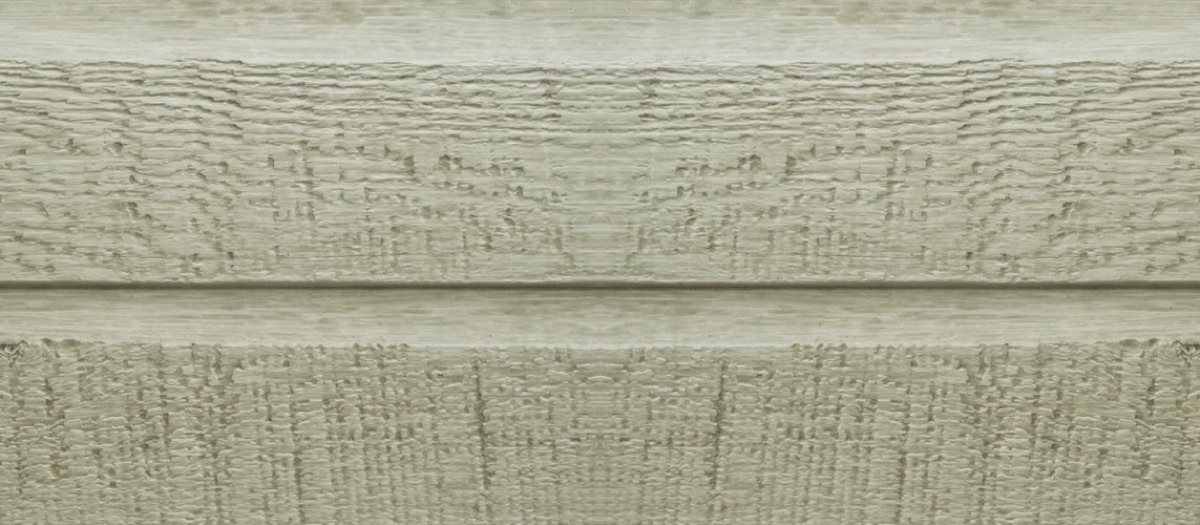
(LP SmartSide, CanExel, Kaycan Cedr-Vue) bonds real wood fibres into panels using exterior-grade resin binders. It's easier to cut with standard carbide tools than fibre cement, and holds fasteners reliably. CanExel is factory-prefinished with a textured acrylic finish that eliminates on-site painting. LP SmartSide carries a 5/50-year limited warranty and is engineered to resist fungal decay and termite damage.
Engineered wood or fibre cement?
Fibre cement is the noncombustible option: James Hardie's Plank, Panel and Shingle are noncombustible under CAN/ULC-S114. It is heavier and harder to cut. If fire performance or a subdivision's architectural controls decide the job, start on the fibre cement siding page.
Prefinished vs. primed/paintable
CanExel's prefinished system is the biggest time-saver on site: no field painting required on initial installation, and the acrylic finish holds colour well for 15+ years. Factory-primed products such as LP SmartSide require on-site topcoat painting but give more colour flexibility.
Profile selection
Lap siding (3.5"-8.5" exposure) suits most residential applications. Wide-plank board profiles (12"-16" wide) are trending strongly for modern, farmhouse, and transitional homes. Panel siding (4x8 or 4x9 sheets) is fast to install for large commercial facades.
Maintenance
Engineered wood and fibre cement carry a repaint cycle that vinyl does not, generally every 10 to 15 years depending on exposure and finish type.
The WPC panel system
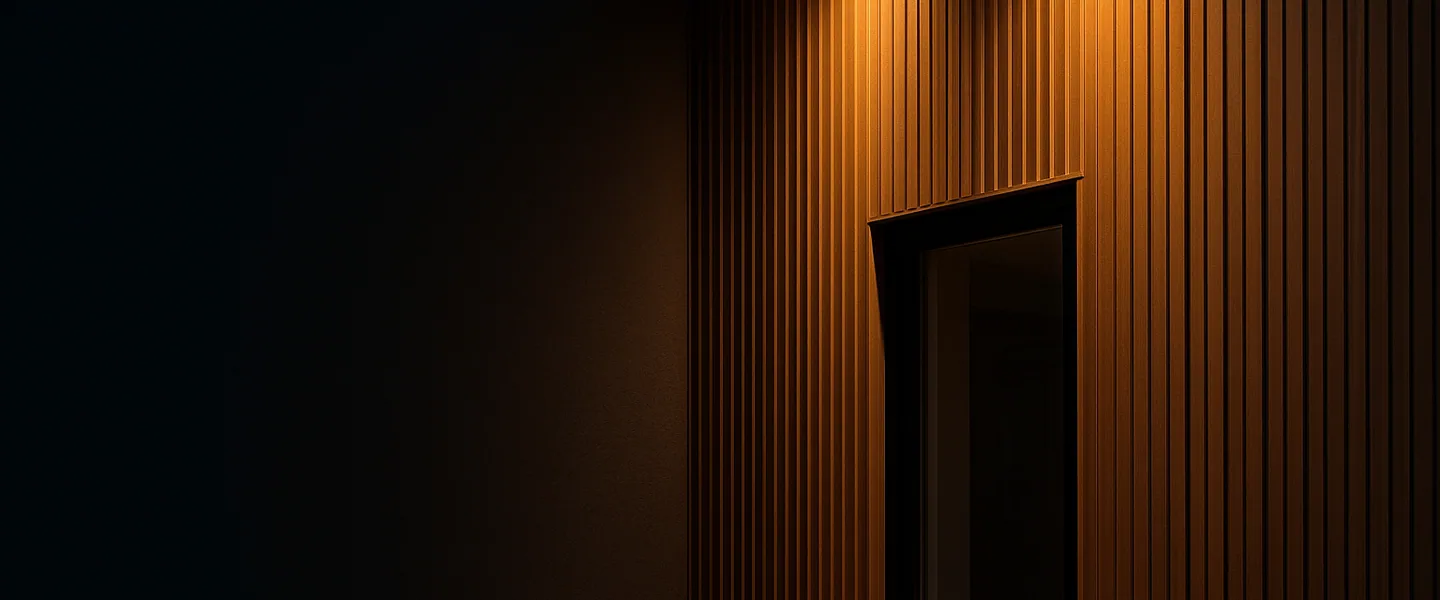
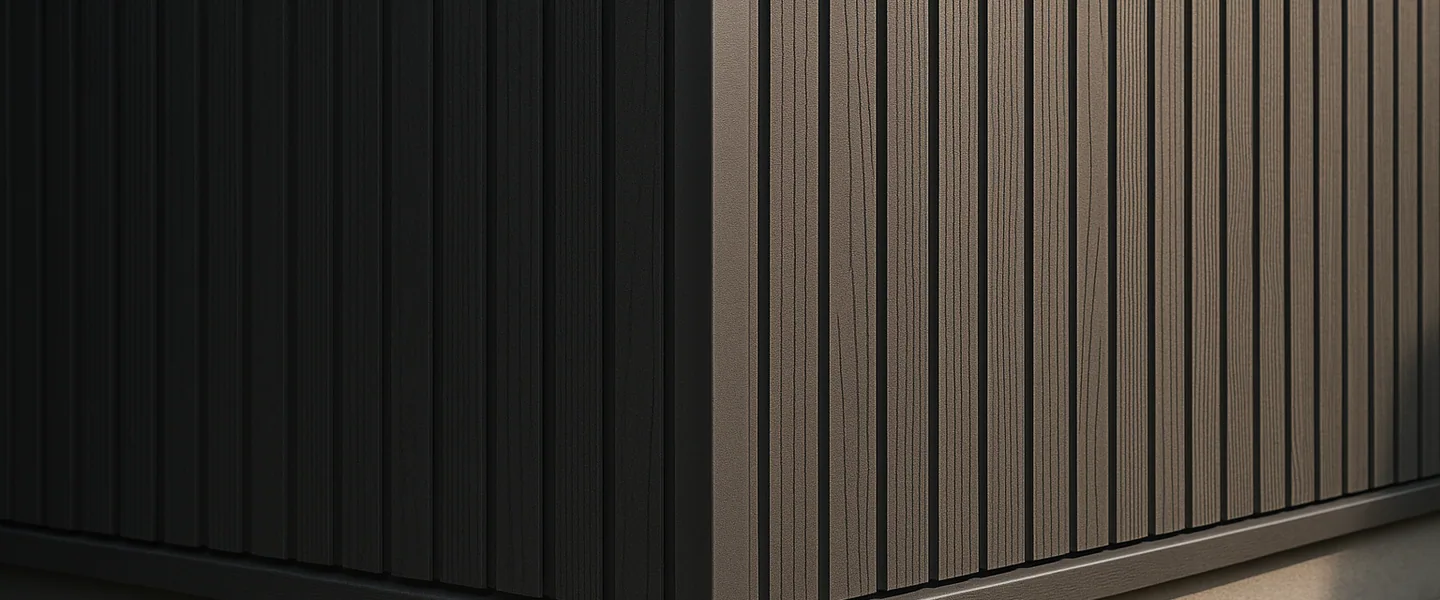
Separate from the lap and panel lines above, our own Pro Materials range includes WPC fluted wall panels: wood plastic composite with a co-extrusion surface, for façades, entry walls and interior feature walls. One page covers all four profiles (2-sided, 3-strip, 4-strip and 5-strip) and their colours. The run is finished with starter, corner and L shape trims; order them with the panels, because they are what lets a fluted wall stop cleanly at a corner or an edge. The co-extruded face is never stained or painted, so unlike engineered wood and fibre cement it has no repaint cycle.
Frequently Asked Questions
What is the difference between engineered wood and fiber cement siding?
Engineered wood siding is made from real wood fibres bonded with exterior-grade resins. It's lighter and easier to work with, and performs well in Canadian climates when properly installed with appropriate flashing. Fiber cement is a mix of Portland cement, sand, and cellulose fibre - heavier and harder to cut, but James Hardie's fibre cement siding is noncombustible under CAN/ULC-S114 with a Flame Spread Rating of 0 under CAN/ULC-S102, and it resists rot and insects. Both are superior to real cedar for durability; the choice depends on fire requirements, budget, and installation preferences. Our fibre cement siding page covers the James Hardie and Allura lines.
Does CanExel siding need to be painted?
No - CanExel is factory-prefinished and does not require painting on initial installation. The factory finish holds colour well for 15+ years in most Canadian exposures. Cut ends and any site damage must be field-painted with matching CanExel touch-up paint at the time of installation.
Is engineered wood siding suitable for Canadian winters?
Yes. LP SmartSide and CanExel use resin-bonded wood fibres that don't absorb water the way natural wood does. Proper installation - including maintaining a drainage plane, flashing all openings, and sealing all cut ends - is critical for long-term performance, particularly in high-moisture environments like coastal BC and the Great Lakes region.