
Stone Veneer & Cladding
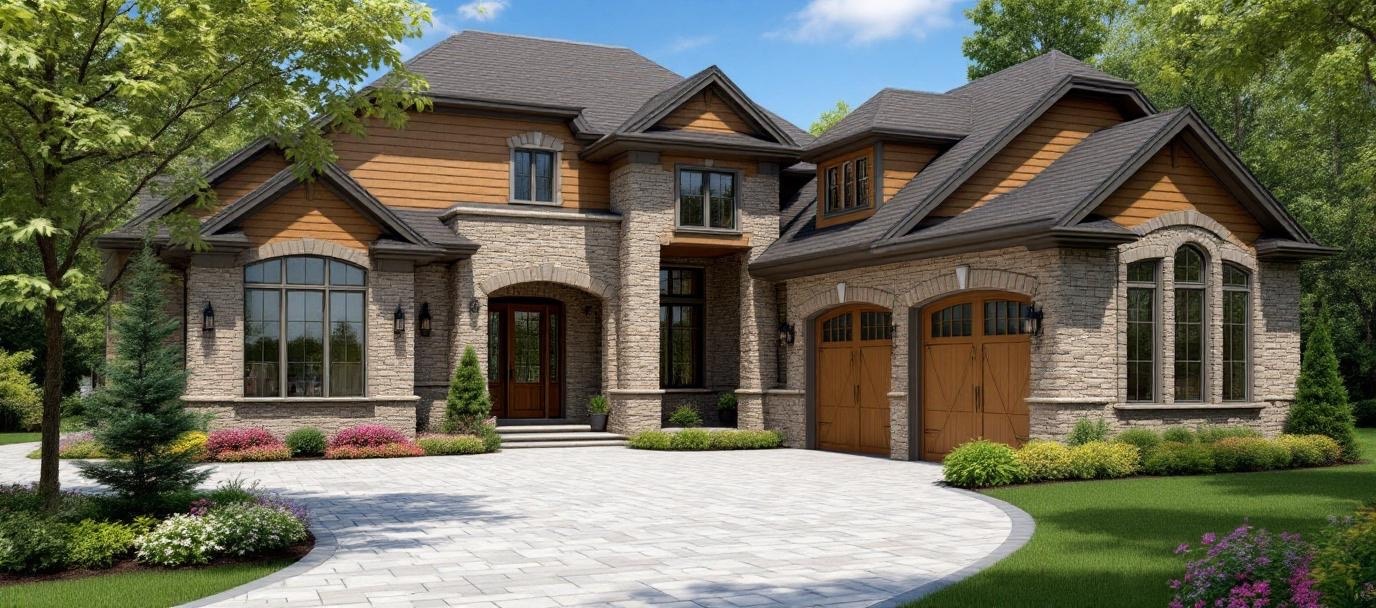
About Stone Veneer & Cladding
Stone transforms an exterior - adding the weight, permanence, and architectural presence that no other cladding material replicates. Modern stone veneer panels capture that presence at a fraction of the cost and weight of natural stone, without the moisture absorption, freeze-thaw spalling, and structural load challenges that make real masonry impractical on most Canadian residential and commercial projects.
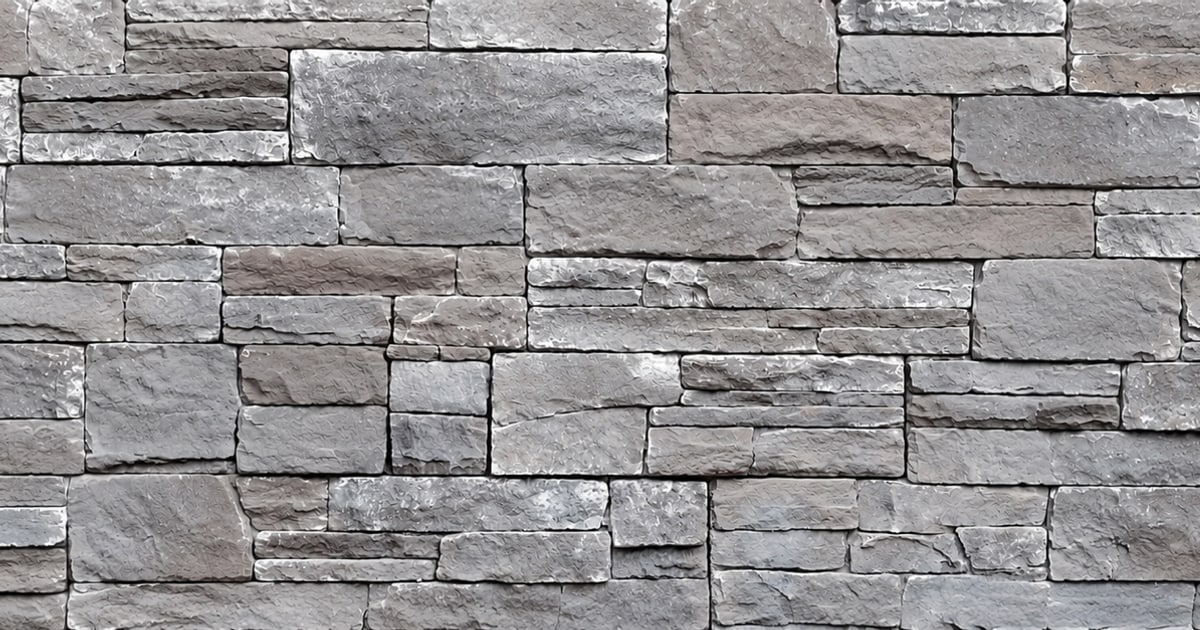
Pro Materials supplies faux stone and architectural stone cladding systems from NovikStone, GenStone, and Kaycan: polypropylene, polyurethane, and cement-composite panels built for Canadian exposure, where the failure mode a mortared stone wall has to survive is freeze-thaw cycling at the joint. Stacked stone, dry-stack, ledgestone, fieldstone, and ashlar profiles in natural limestone, granite, sandstone, and contemporary charcoal tones. Full-facade cladding, chimney accents, fireplace surrounds, foundation skirts, or commercial entranceways - our stone catalogue covers every scale. Wholesale supply to contractors and designers across York Region, the GTA, Simcoe County and Durham Region.
Two mortarless systems carry most of this category, and they ask for different walls behind them: our Versetta Stone and Novik stone panel comparison sets the cement panel against the polymer one on weight, fastening, code path and warranty, and the stone veneer cost guide prices all three families per square foot installed.
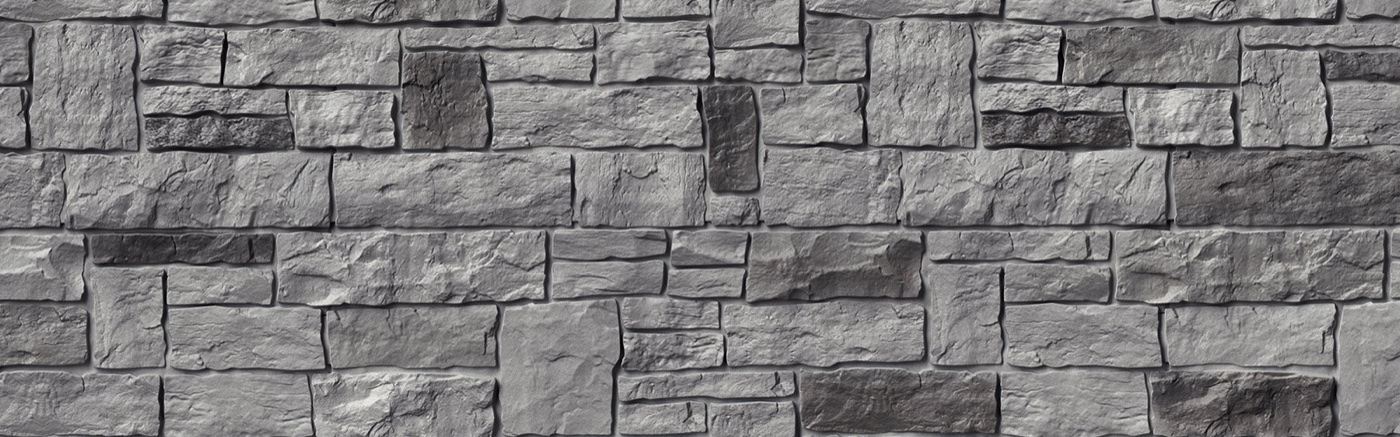
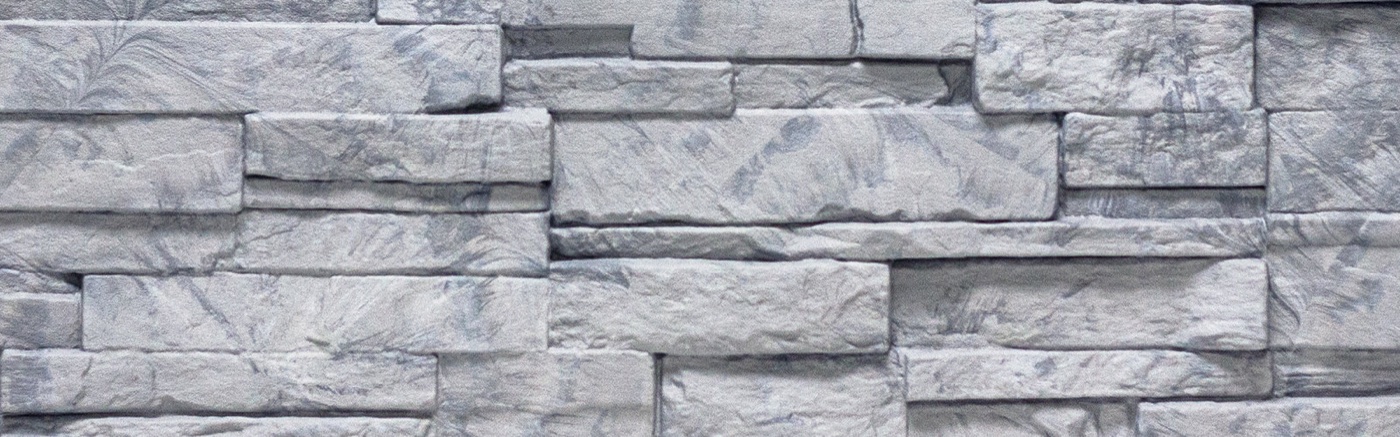
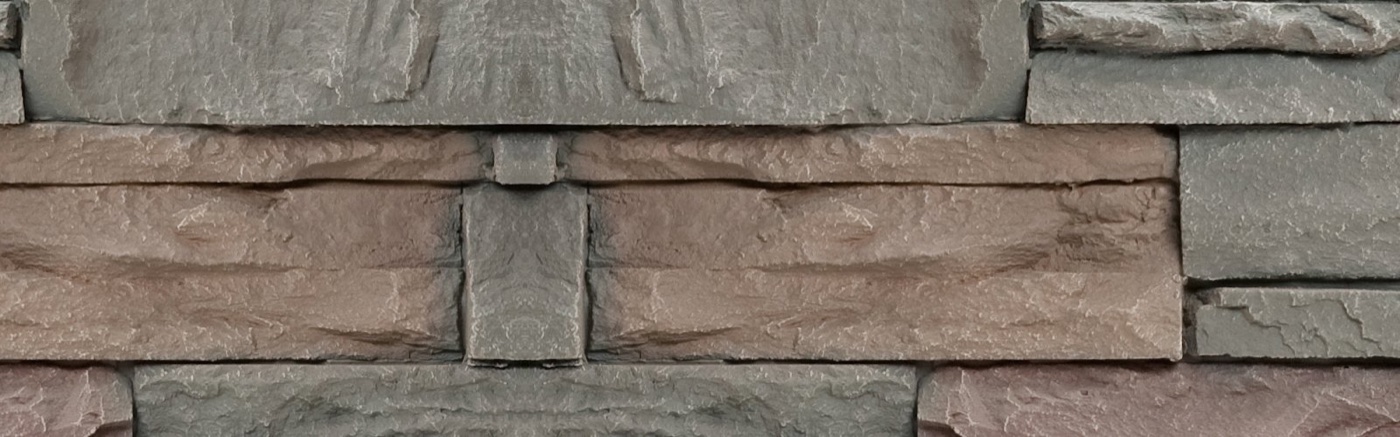
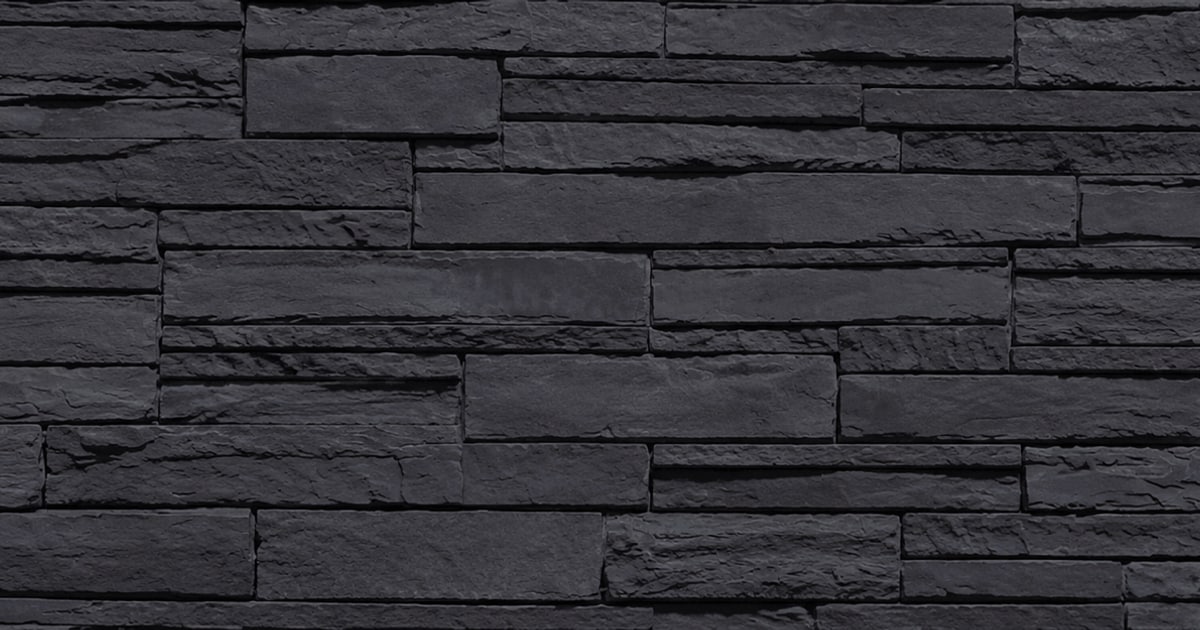
Stone Veneer & Cladding: At a Glance
8
Products
in this category
3
Brands
Novik, GenStone, Kaycan
Up to 8
Colour Options
per product line
Quote
Pricing
request for trade pricing
Max colour range per brand
Novik
8
GenStone
8
Kaycan
6
Showing maximum colour count across products per brand. Actual available colours may vary by profile and current stock.
Stone Veneer & Cladding Buying Guide
Key factors to evaluate when specifying stone veneer & cladding for your project.
Material options
Polypropylene stone panels (NovikStone) are the lightest option. Worked out from each panel's published weight and coverage they land at 0.67 to 0.84 lb/sq ft installed, a fraction of what the substrate has to carry. Polyurethane panels (GenStone) come in at 0.94 lb/sq ft and offer the most realistic three-dimensional detail. Cement-based stone veneer gives the most authentic face and the highest impact resistance at 8.5 lb/sq ft for Versetta Stone, and our architectural STONEfacade panel is heavier again at about 15. Note that the cement panel we stock is mortarless: Versetta Stone fastens with nails through a steel flange, not with a scratch coat and a mortar bed.
Profile selection
Stacked stone and dry-stack profiles read as contemporary - clean horizontal lines, minimal mortar joint. Ledgestone has a more organic, irregular coursing pattern suited to craftsman and heritage styles. Fieldstone profiles have the most rustic character. Ashlar stone coursing is more formal and architectural.
Installation system
Polymer panels interlock and fasten dry, and the Canadian evaluation that covers the NovikStone range (CCMC 13420-R) holds only where they sit on furring over the sheathing membrane with a clear air space of 10 to 19 mm. Versetta Stone goes the other way and fastens straight to sheathing, minimum 7/16 in OSB or 1/2 in plywood, carrying its own quarter inch rain screen on the back of the panel. Mortar-set veneer is the only one of the three that needs a scratch coat and lath. Always verify the approved substrate list and the base flashing detail, which the panel fastening comparison covers for both systems.
Colour and texture
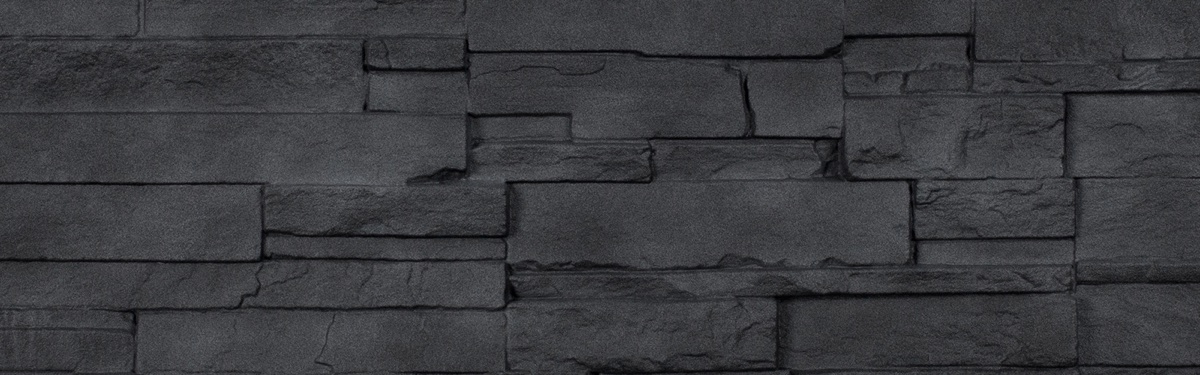
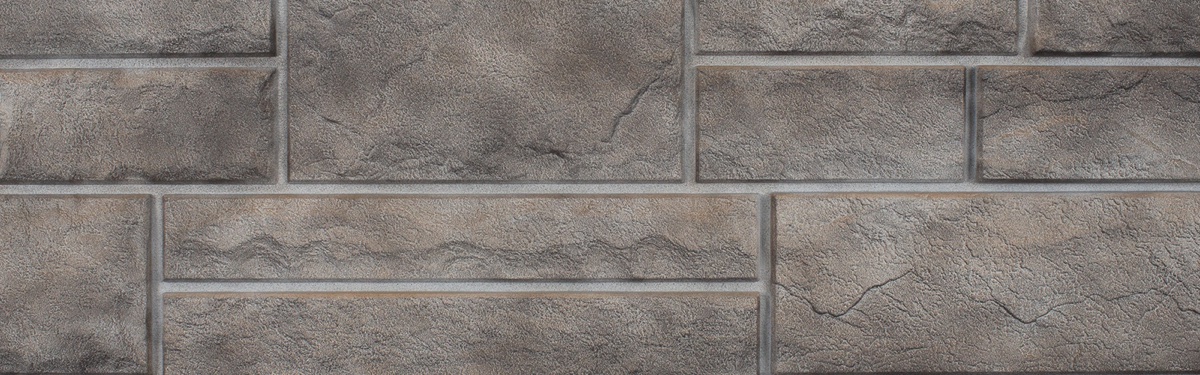
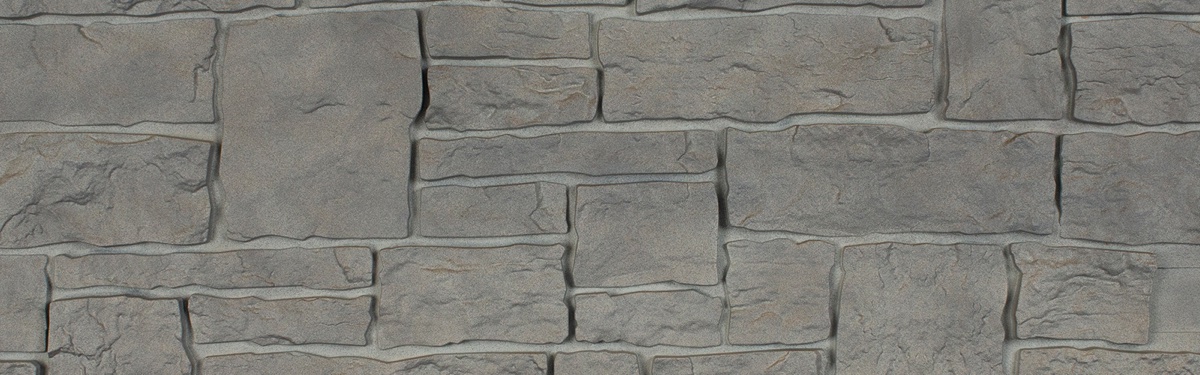
Natural limestone tones, grey granite, warm sandstone, and earth-tone fieldstone are perennially popular. Darker charcoal and black stone is trending strongly for modern and industrial-inspired homes. Mix tone groups carefully - warm and cool undertones within the same stone profile can clash. Request samples before committing to a large-area installation.
Corner pieces
Always specify factory corner pieces. Field-cutting polymer panels at corners produces visible cut edges that look clearly manufactured. Manufacturer corners are pre-moulded to the correct 90-degree angle with texture on both faces.
Corner quantities
Corners are ordered by the linear foot of corner height, not by area, and each system counts them its own way. Versetta Stone takes the corner height in feet times 0.75 for Universal Corners, each of which is cut on site into a left and a right end. A Novik corner assembly is two sections and covers 15.1 inches of height. Bring us the elevation and the corner heights and we will run both counts.
Frequently Asked Questions
What is the difference between natural stone veneer and faux stone panels?
Natural stone veneer is split or sawn from actual quarried stone and mortared to the wall - authentic, but heavy (15-30 lb/sq ft), expensive, and requiring specialized installation. Faux stone panels (polypropylene, polyurethane, or cement composite) replicate the appearance at a fraction of the weight and cost. Modern mould technology captures real stone texture and variation in extraordinary detail. For most residential and commercial applications, faux stone is indistinguishable from real stone at viewing distance and dramatically outperforms it for moisture resistance and freeze-thaw durability.
Can faux stone cladding be used in Canadian winters?
Yes. The polypropylene and polyurethane products we carry don't absorb water, so there's no freeze-thaw spalling. Ask us for the manufacturer's freeze-thaw and impact test data on the specific line you are specifying; it is published per product, not per category. Proper base flashing and a drainage plane behind the panels are essential regardless of material.
Can stone cladding go over existing siding?
In many cases, yes - but it requires careful assessment. The substrate must be flat, structurally sound, and capable of supporting the added weight. Polymer panels are under 1 lb/sq ft installed and can typically go over existing sheathing or rigid foam if properly fastened, though the Canadian evaluation on the NovikStone range asks for furring and a clear air space behind them. Versetta Stone at 8.5 lb/sq ft needs verified sheathing under it, minimum 7/16 in OSB or 1/2 in plywood, which usually means taking the old cladding off. Always check local building code for re-cladding requirements.
What brands of stone veneer do you carry?
We supply NovikStone (polypropylene, made in Quebec), GenStone (polyurethane, high-detail 3D panels), and Kaycan stone veneer. NovikStone is the most cost-effective and lightest; GenStone offers the most realistic three-dimensional texture; Kaycan's Versetta Stone is a cement panel with a galvanized steel nail flange, so it gives a masonry face with a siding crew's installation and no mortar at all. The Versetta Stone and Novik stone panel comparison sets the two side by side.