
Interior Wall Panels
About Interior Wall Panels
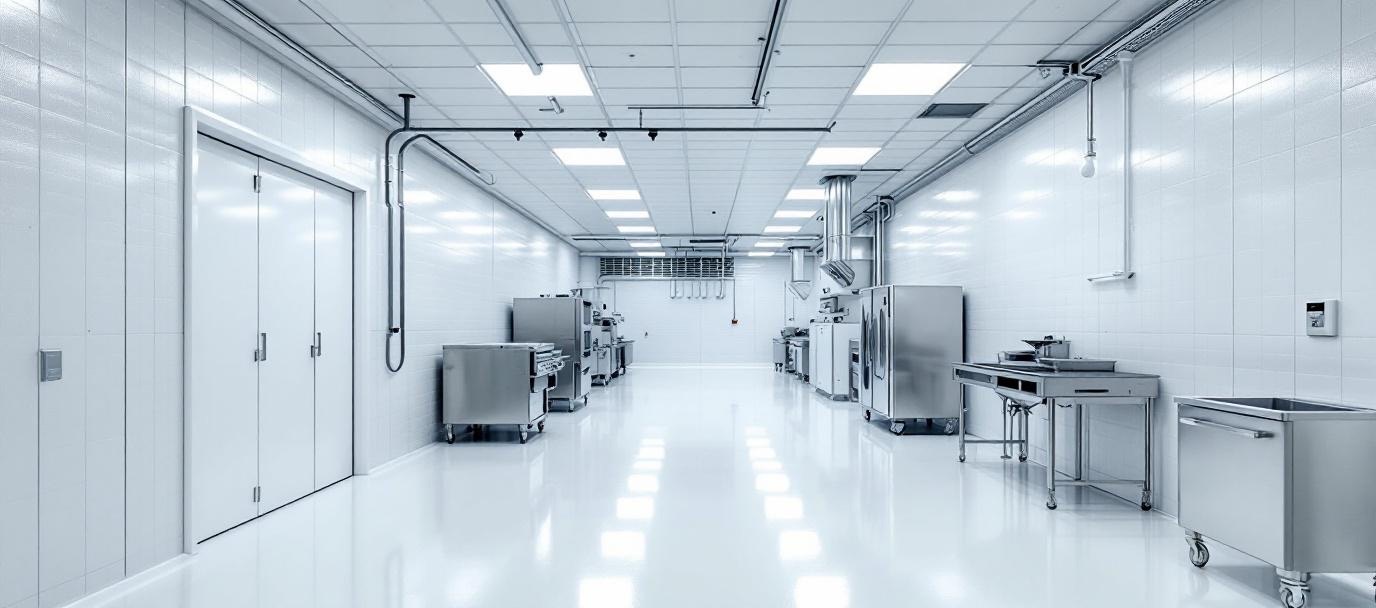
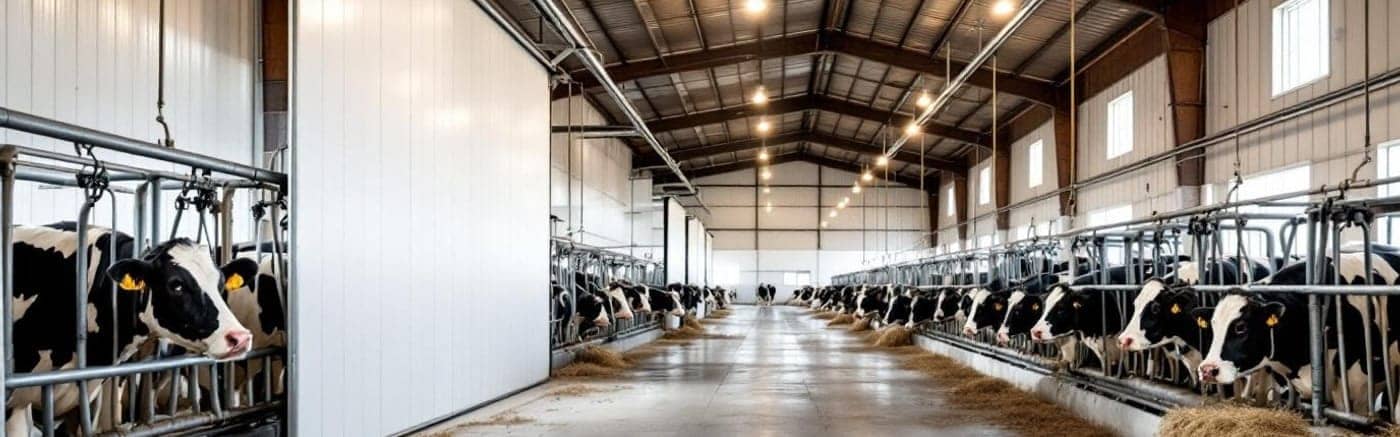
In commercial and agricultural environments, the wall liner isn't a finishing detail - it's an operational requirement. Dairy barns, commercial car washes, food processing facilities, kennels, and institutional kitchens demand surfaces that survive power-washing, chemical sanitizers, ammonia, and constant moisture without cracking, delaminating, or harbouring bacteria. Pro Materials supplies Kaycan I-Span™ polymeric interior liner panels and AgriTUFF™ agricultural panels: PVC tongue-and-groove systems that install with concealed fasteners for a smooth, continuous, washable surface.
I-Span carries a Class A fire rating and is designed, developed and manufactured in Canada. Non-porous, easy to sanitize, and built for the demands of facilities where hygiene and long service life are the operating standard. Wholesale supply to commercial contractors and agricultural builders across York Region, the GTA, Simcoe County and Durham Region.

Interior Wall Panels: At a Glance
5
Products
in this category
2
Brands
Pro Materials, Kaycan
Up to 5
Colour Options
per product line
Quote
Pricing
request for trade pricing
9 colour SKUs across 5 products
All colours available on a quote basis. Contact us for current stock and lead time.
Interior Wall Panels Buying Guide
Key factors to evaluate when specifying interior wall panels for your project.
I-Span™ polymeric panels
are designed for interior wall and ceiling liner applications in commercial and institutional buildings. The tongue-and-groove panel system installs over standard framing with concealed fasteners. Panel surface is smooth, non-porous, and resistant to moisture, most cleaning chemicals, and impact. I-Span carries a Class A fire rating. Confirm with your designer or building official that it suits the occupancy classification of your building. Available in white (standard) and custom colours.
AgriTUFF™ panels
are specifically engineered for agricultural applications - dairy barns, hog barns, poultry facilities, and livestock housing where ammonia resistance and frequent power-washing are standard operating conditions. The impact-resistant polymer formulation handles high-pressure water without delamination or surface degradation that would occur with standard wall finishes.
Installation
Both panel systems use a concealed T-bar or receiver track installation system. Panels are screw-fastened through the tongue, then the groove of the next panel conceals the fastener. This provides a smooth, continuous surface with no exposed fasteners that could harbour bacteria. Panels can be cut with standard woodworking tools.
Surface maintenance
Both I-Span and AgriTUFF surfaces clean easily with commercial cleaners and disinfectants. The smooth, non-porous surface does not support biofilm growth the way painted masonry or drywall does. For food-contact or high-hygiene environments, ask us for the manufacturer's cleanability and chemical-resistance data before the panel goes into a specification.
Application temperature
I-Span and AgriTUFF panels should be installed in environments maintained above 0°C. Leave minimum 1/8" at all fixed terminations for panels over 20' in length to accommodate expansion and contraction.
Decorative WPC panels
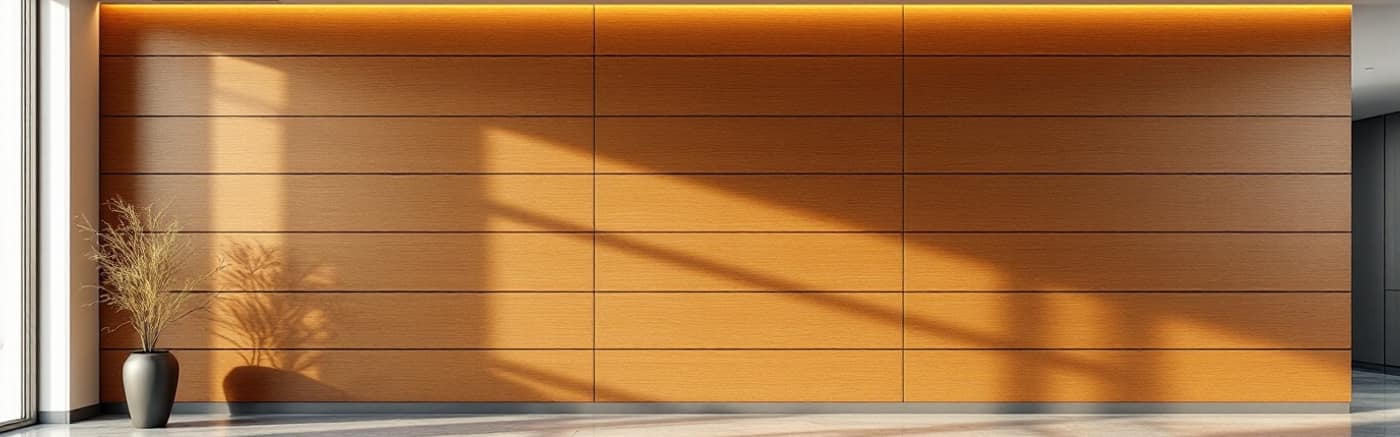
For a feature wall rather than a wash-down liner, our own Pro Materials range adds WPC flat wall panels, acoustic fluted wall panels in natural wood veneer, and WPC fluted wall panels, which are rated for interior and exterior walls.
Frequently Asked Questions
What is I-Span™ used for?
I-Span™ panels are used as interior wall and ceiling liner systems in commercial buildings where moisture, chemical resistance, and hygiene are critical. Typical applications include commercial car washes, food processing and cold storage facilities, commercial kitchens, indoor pools, veterinary clinics, kennels, breweries, and agricultural buildings. The chemical and moisture resistance, combined with the Class A fire rating, makes them suitable for virtually any commercial interior where a durable, cleanable surface is needed.
Are I-Span panels approved for use in food processing facilities?
I-Span™ is a PVC liner panel with a smooth, washable, chemically resistant face, which is why it goes into food processing, agricultural and wash-down rooms. We do not hold a published USDA or CFIA acceptance letter for it, so for a regulated facility ask us for the manufacturer's cleanability and chemical-resistance data and confirm it with your food safety consultant before it goes into the specification.
Can I-Span panels be installed over existing drywall?
Yes, in many cases. I-Span panels can be installed over clean, flat existing wall surfaces using construction adhesive and the standard fastener system. In high-moisture environments, removing existing drywall and installing over bare framing or moisture-resistant sheathing is recommended for maximum durability.