Metal Siding
About Metal Siding
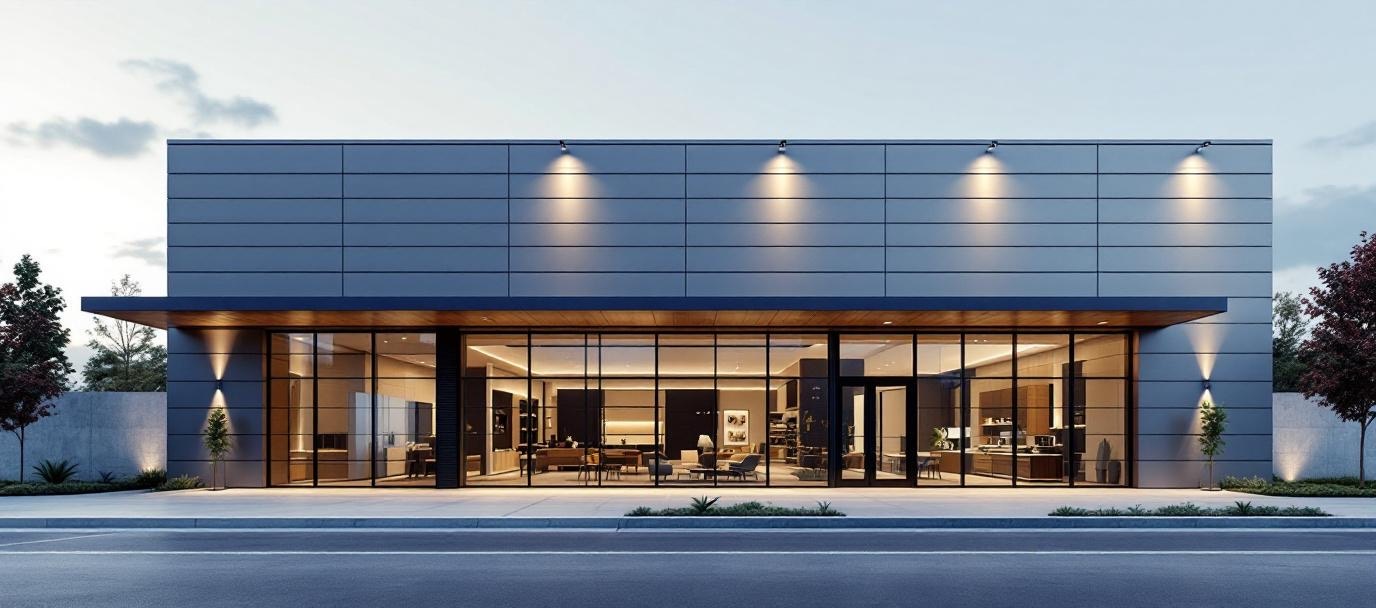
When longevity, fire resistance, and architectural impact all have to be non-negotiable, metal siding is the specification. Impervious to rot and insects, non-combustible, and available in PVDF-coated finishes with long fade warranties, metal cladding is the lowest-maintenance exterior on the wall once it is up. Pro Materials supplies architectural aluminum cladding systems from Kaycan and steel metal panel siding from MAC Metal, covering the full range from contemporary residential re-cladding to commercial and industrial facade systems.
Concealed and exposed-fastener options, dark colour palettes trending strongly in 2026, and the profiles and accessories to complete the project on spec. Available on a quote basis - reach out with your material list.


Metal Siding: At a Glance
11
Products
in this category
2
Brands
Kaycan, MAC Metal Architectural
Up to 19
Colour Options
per product line
Quote
Pricing
request for trade pricing
Max colour range per brand
MAC Metal Architectural
19
Kaycan
13
Showing maximum colour count across products per brand. Actual available colours may vary by profile and current stock.
Metal Siding Buying Guide
Key factors to evaluate when specifying metal siding for your project.
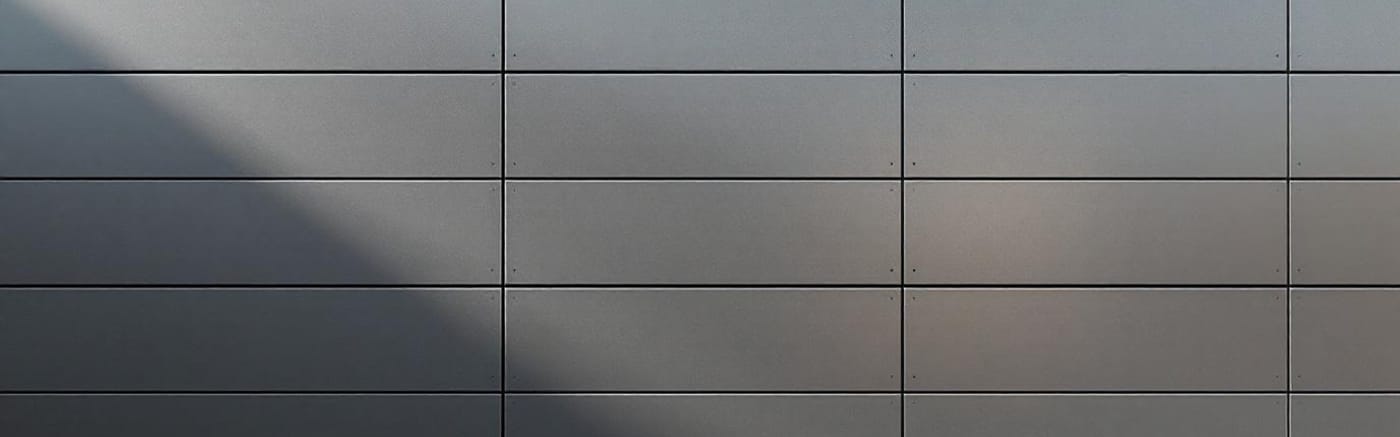
Aluminum siding and cladding
is the dominant metal exterior material for Canadian residential and light commercial applications. It's corrosion-proof (even in salt-air coastal environments), extremely lightweight at 0.5-1.0 lb/sq ft, and available in a wide range of factory-applied finishes. Kaycan's aluminum cladding systems include horizontal lap, vertical, and panel profiles with colour-matched accessories. Typical gauge is 0.032"-0.040" for residential; 0.040"-0.063" for commercial.
Steel metal panel siding
offers superior impact resistance and structural rigidity. Steel is preferred for agricultural, industrial, and commercial buildings where maximum durability is required. Galvalume or Zincalume-coated steel panels resist corrosion even in coastal and industrial environments. MAC Metal systems include exposed-fastener and concealed-fastener options in a range of profile depths and spans.
Concealed vs. exposed fastener systems
Concealed fastener panels have no visible screws, giving a clean, contemporary facade. Exposed fastener systems are faster to install and more economical but visible fasteners are part of the aesthetic. Specify concealed for residential and architectural projects; exposed for industrial and agricultural.
Finish and colour
Factory-applied PVDF (Kynar) finishes offer the best UV resistance and colour retention - typically 30+ year fade warranties. Dark colours (charcoal, black, deep bronze) are extremely popular in 2026 for both residential and commercial applications and perform well with PVDF coatings.
Installation clearances
All metal siding systems require minimum clearance to grade (typically 6" minimum), proper flashing at all penetrations, and thermal expansion provisions in long panel runs. Follow the manufacturer's installation manual specifically - metal siding tolerates no shortcuts on thermal movement.
Frequently Asked Questions
How long does metal siding last?
Properly installed aluminum siding with a PVDF factory finish typically lasts 40-50 years before refinishing is needed. Steel panel systems are sold with substrate and finish warranties that vary by coating and by manufacturer; ask us for the warranty document on the specific MAC Metal product you are pricing. Both materials significantly outlast vinyl, wood, and fiber cement in harsh environments.
Can metal siding be used on residential homes?
Absolutely. Architectural aluminum siding has been used on high-end residential homes for decades, and steel and aluminum panel systems are now mainstream in modern and contemporary residential design. The clean lines, dark colour palette, and low-maintenance performance of metal cladding are particularly popular for custom homes, urban infill, and cottage builds.
Does metal siding dent?
Aluminum siding at residential gauges (0.032"-0.040") can dent from direct impact - hail, rocks from mowing, etc. Steel is significantly harder than aluminum of the same thickness. For hail-prone regions (Southern Alberta, Manitoba), specify heavier gauge or steel panels and confirm hail resistance ratings.
Does metal siding conduct heat or cold into the building?
Metal itself is thermally conductive, but the thermal performance of the wall assembly is determined by the insulation and thermal break behind the cladding, not the cladding itself. Metal siding is installed over a vented air gap in virtually all applications. The thermal performance of that wall comes from the insulation and the air barrier behind the cladding, not from the cladding, so the assembly is what gets checked against the energy requirements in your jurisdiction.