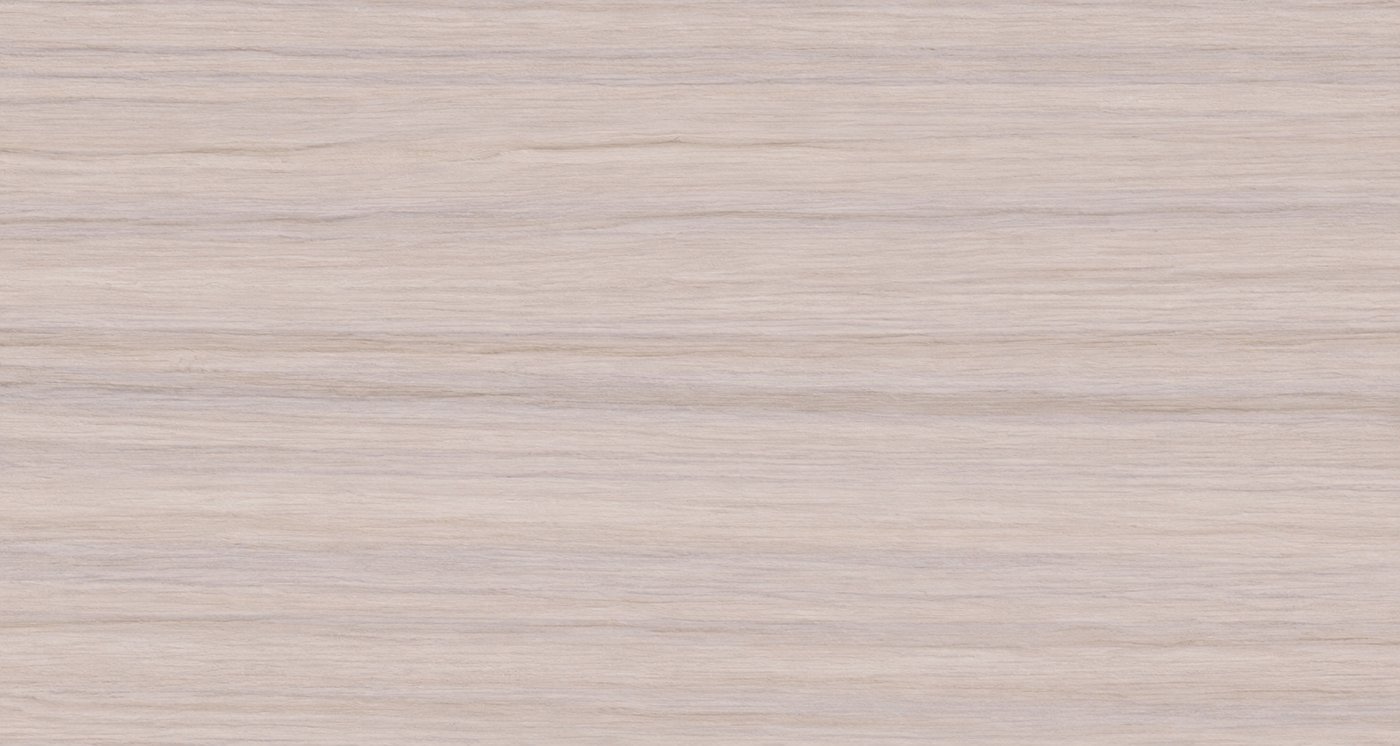
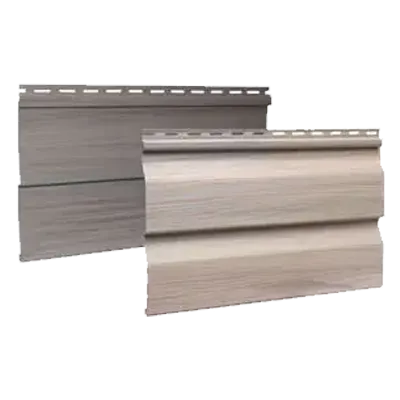
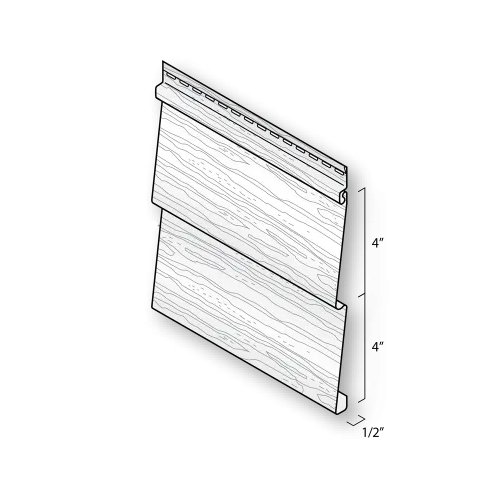
Kaycan Hardwood Valley II™ delivers the warmth of hand-stained wood without the upkeep. Its deeply textured, variegated vinyl panels replicate the look of weathered Vermont maple and natural oak — complete with natural grain lines and authentic colour variation. LineLock™ keeps every course locked tight on the wall, while ChromaLock™ ensures the six richly textured wood-tone colours — Cherry, Cypress, Vermont Maple, Natural Oak, River Rock, and Weathered Wood — stay vivid for decades.
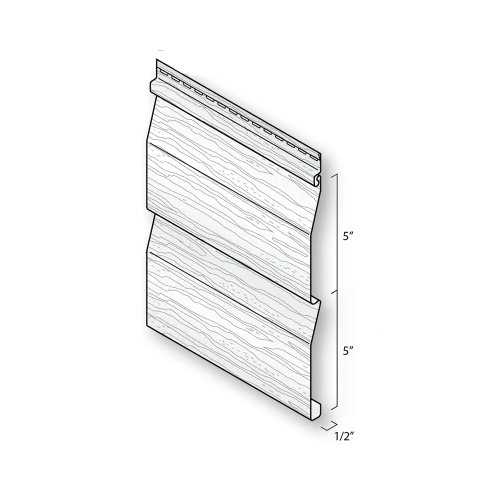
Kaycan Hardwood Valley II™ brings the warmth and authenticity of naturally aged wood to premium vinyl lap siding — without the maintenance. Its variegated colour blend and deeply textured wood grain appearance captures the distinctive look of hand-stained Vermont maple or natural oak, characterized with the weathered board aesthetic built to last. The exclusive LineLock™ panel locking system keeps courses together for greater wall stability, while ChromaLock™ technology ensures colour stays locked throughout the panel. Available in two profiles — D5D Dutch Lap and D4 — in 6 richly textured wood-tone colours nationally.