
Roof & Gable Vents
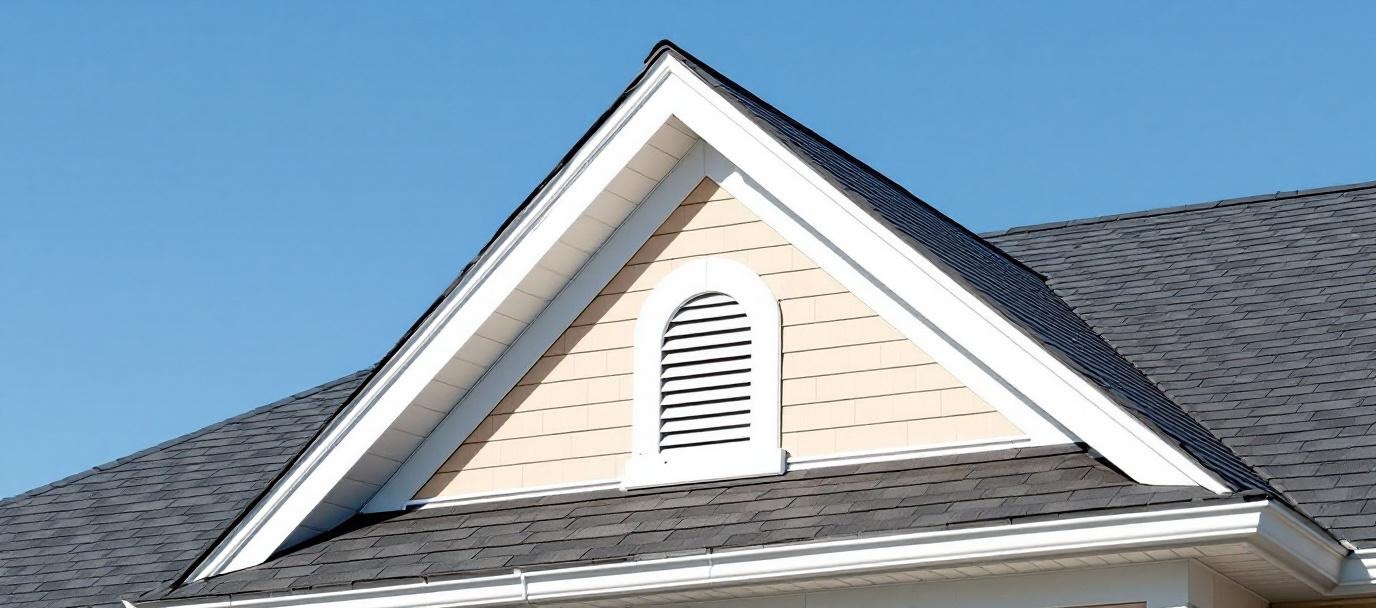
About Roof & Gable Vents
An under-ventilated attic is one of the most common - and most costly - building envelope failures in Canada. Excess heat and moisture accelerate shingle degradation, create ice dams, and cause moisture damage to sheathing and framing that costs tens of thousands to remediate. Yet proper ventilation is also one of the most affordable specifications you can make: a balanced ridge-vent and soffit-vent system costs a fraction of a single moisture callback.
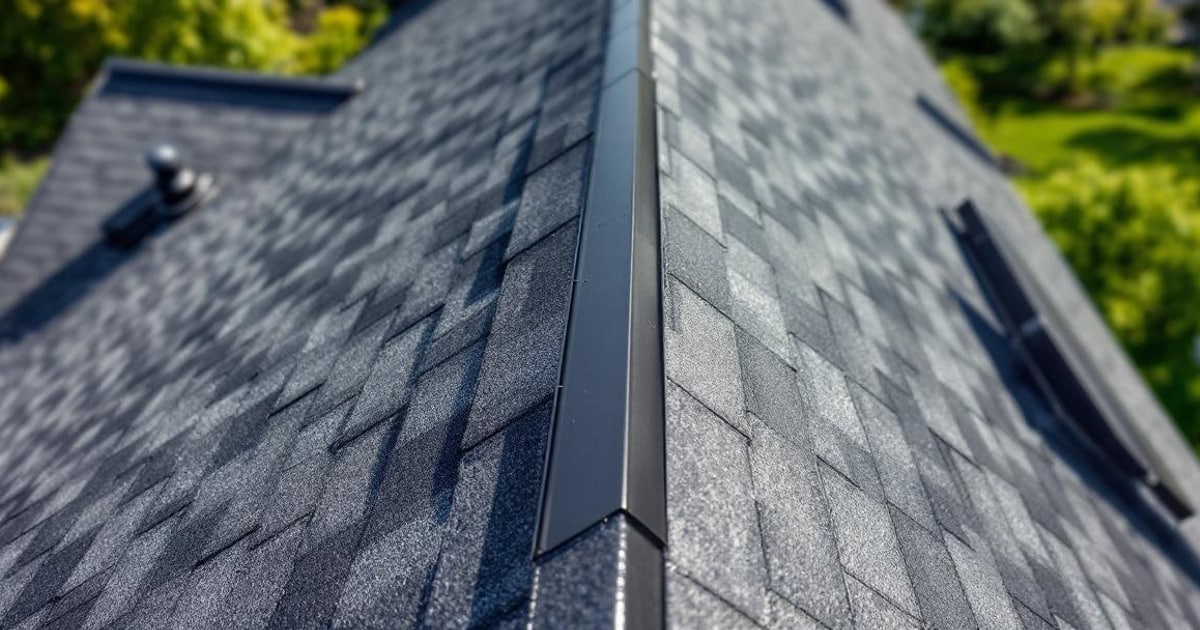
Pro Materials supplies a complete roof ventilation system from Kaycan - Ridgemaster® and Hipmaster® ridge vents, gable vents, roof deck vents, soffit vents, mount blocks, and CapMaster® pipe covers - products designed to function together as a balanced system. Wholesale supply to roofing and siding contractors across York Region, the GTA, Simcoe County and Durham Region.
Roof & Gable Vents: At a Glance
4
Products
in this category
2
Brands
Mitten, Kaycan
Up to 24
Colour Options
per product line
Quote
Pricing
request for trade pricing
24 colour SKUs across 4 products
All colours available on a quote basis. Contact us for current stock and lead time.
Roof & Gable Vents Buying Guide
Key factors to evaluate when specifying roof & gable vents for your project.
The 1:300 ratio
Article 9.19.1.2 of the Ontario Building Code requires an unobstructed vent area of not less than 1/300 of the insulated ceiling area, which is 1 sq ft of net free vent for every 300 sq ft of ceiling. The tighter 1/150 figure is the exception, not the rule: it applies where the roof slope is less than 1 in 6, or on roofs built with roof joists. Not less than 25 percent of the required opening goes at the top of the space and not less than 25 percent at the bottom. Half of that ventilation area should be at the intake (soffits) and half at the exhaust (ridge or gable vents) for balanced airflow. Always calculate the full attic ventilation requirement before specifying products.
Ridge vents vs. gable vents
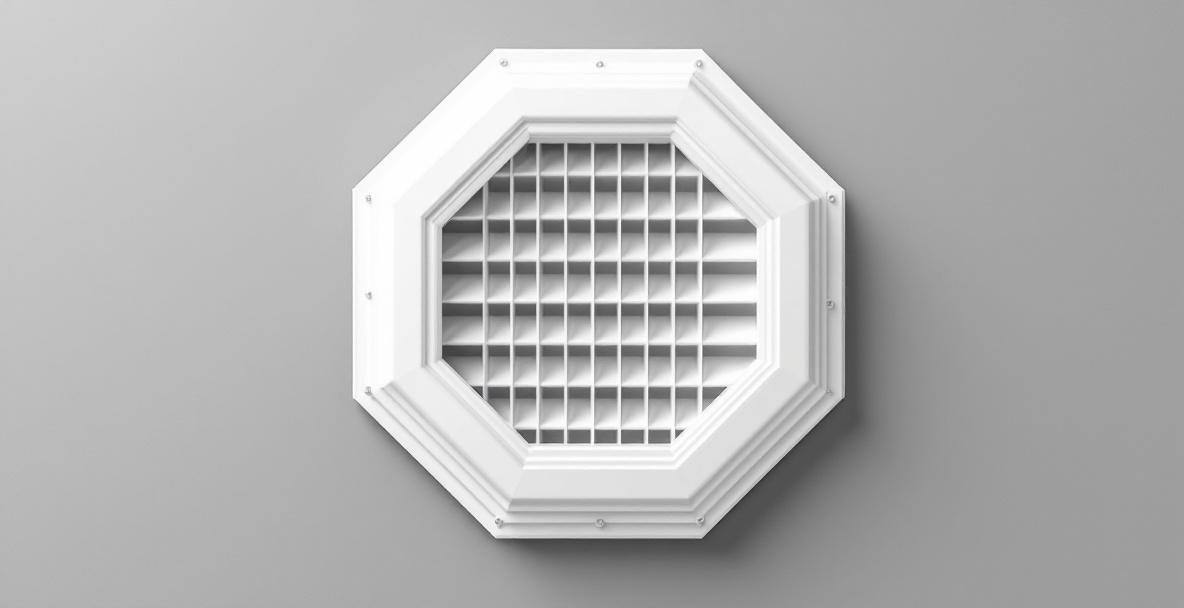
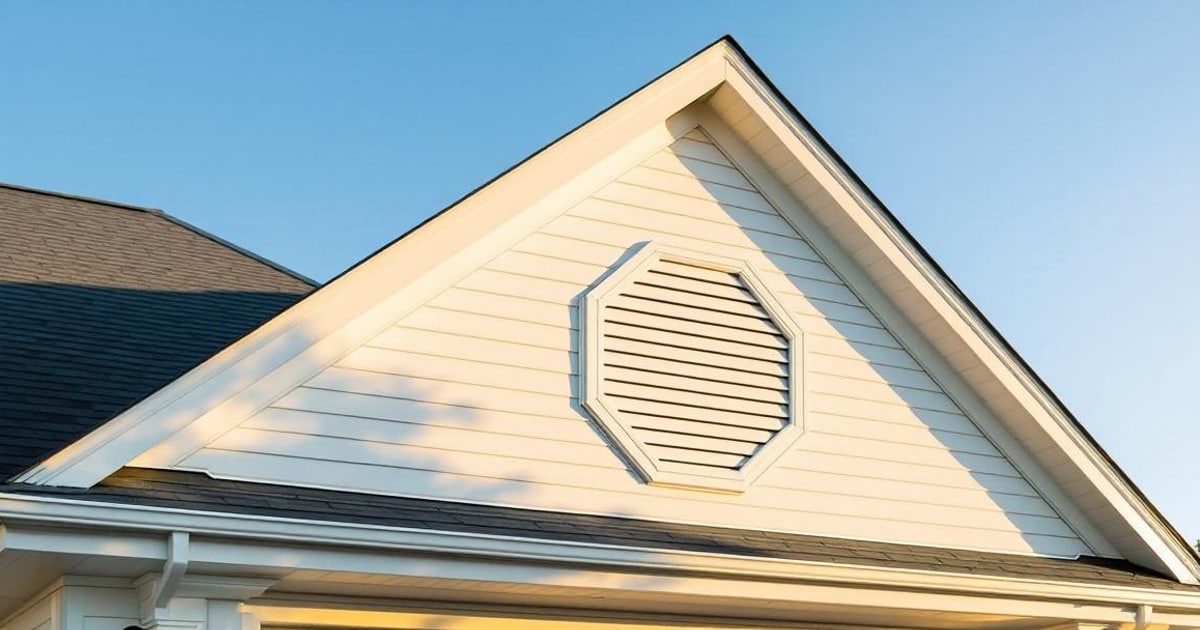
Ridge venting is the most efficient attic exhaust system because it evacuates the full ridge length and is driven by natural convection and wind. A properly installed ridge vent with baffled soffit vents creates uniform airflow across the entire attic floor - critical for preventing moisture pockets and hot spots. Gable vents are used where ridge venting is not practical (complex rooflines, hip roofs without ridges) or as supplemental ventilation.
Ridgemaster® selection
Ridgemaster Plus® comes in 9" and 11" widths, and Hipmaster® covers hip and ridge with matching 9" and 11" models plus a starter piece. The wider model gives more net free area per linear foot. The patented external baffle works the same regardless of wind direction, which is what keeps wind-driven rain and snow out while air still moves.
Hip roofs
Kaycan's Hipmaster® is specifically designed for hip-to-ridge transitions on hip roofs, solving the common problem of ventilating the hip ends where standard ridge vents can't terminate properly.
Mount blocks and pipe covers
Every plumbing stack, dryer vent, and utility penetration through the roof needs a properly flashed mount block or pipe cover. CapMaster® covers cap the pipe and integrate with the roofing system to prevent water infiltration. Specify them for every penetration on every project - this is not an optional line item.
Frequently Asked Questions
How do I calculate how much ridge vent I need?
First, calculate your required net free exhaust area: attic floor area divided by 150, divided by 2 (since intake handles the other half). For example, a 1,500 sq ft attic needs 5 sq ft of net free exhaust area (720 sq in). Ridgemaster® provides approximately 18 sq in of net free area per linear foot. Divide your required square inches by 18 to get the linear footage required. Always verify the specific product's NFA specification on the data sheet.
What is the difference between Ridgemaster® and standard ridge vents?
Ridgemaster® is Kaycan's proprietary ridge vent system with an external weather baffle and filter mat that prevents wind-driven rain, snow, and insects from entering the attic while providing maximum airflow. Standard contractor-grade ridge vents often lack these features, leading to attic moisture issues from storm-driven precipitation. Ridgemaster also includes Hipmaster® for hip-to-ridge transitions.
Can I mix ridge vents with power ventilators?
Generally not recommended. A power ventilator creates negative pressure in the attic that can reverse airflow through passive ridge vents, drawing unconditioned air and moisture in from the living space rather than exhausting attic air out. If a power ventilator is already installed, it must be carefully sized and controlled - or removed in favour of a fully passive balanced system.
Do I need both soffit vents and ridge vents?
Yes. A ridge vent without adequate soffit intake cannot function properly - it draws warm moist air from the living space through light fixtures and ceiling penetrations instead. That's far worse than no ventilation at all. Balanced intake and exhaust is the foundation of proper attic ventilation.