
Windows
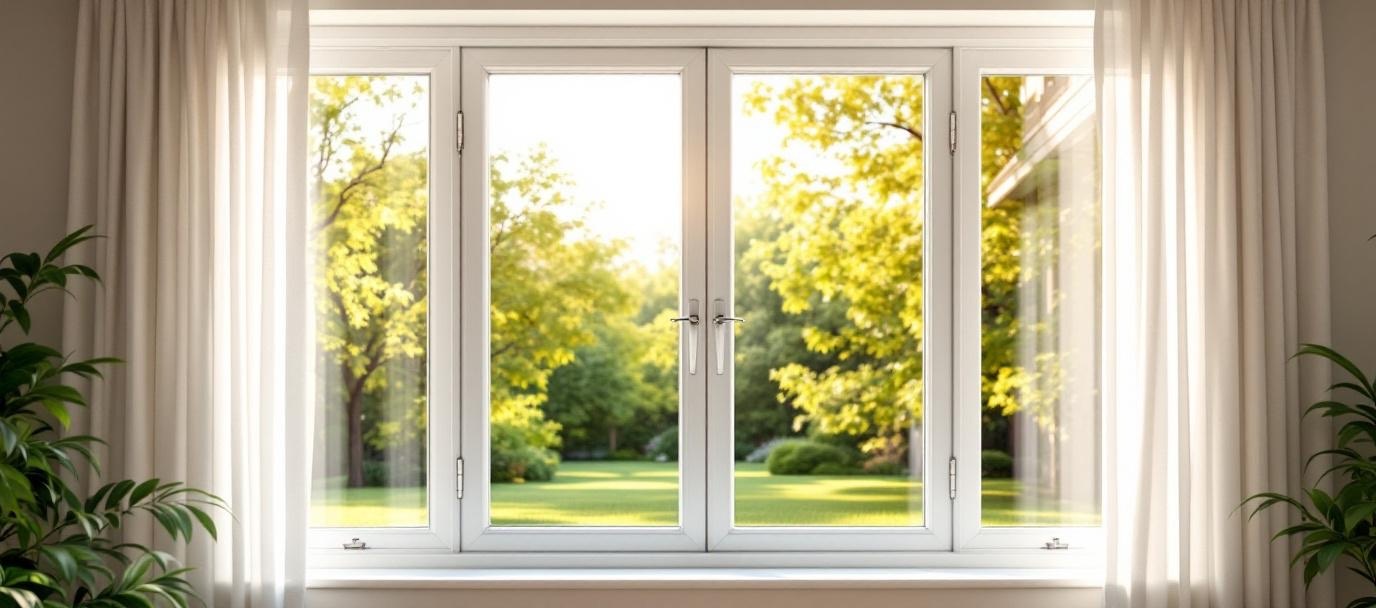
About Windows
A badly specified window is the one part of a wall you notice every winter: the cold draught at the sill, the condensation ring on the glass, the heating bill that never improves no matter what goes on the outside of the house.
Pro Materials supplies ENERGY STAR® certified replacement and new-construction windows: casement, bay, awning, double-hung, sliding and specialty shapes, with triple-pane Low-E glazing, argon and krypton fills, warm-edge spacers and multi-point locking hardware.
Since the 2020 revision, ENERGY STAR Canada applies one national requirement rather than the old climate zones, so the target is a U-factor of 1.22 W/m²K or lower, or an Energy Rating of 34 or higher. Those figures are published per configuration rather than per line, so ask us for the numbers on the exact series and glazing package you are pricing. Wholesale supply and specification support for contractors across York Region, the GTA, Simcoe County and Durham Region.
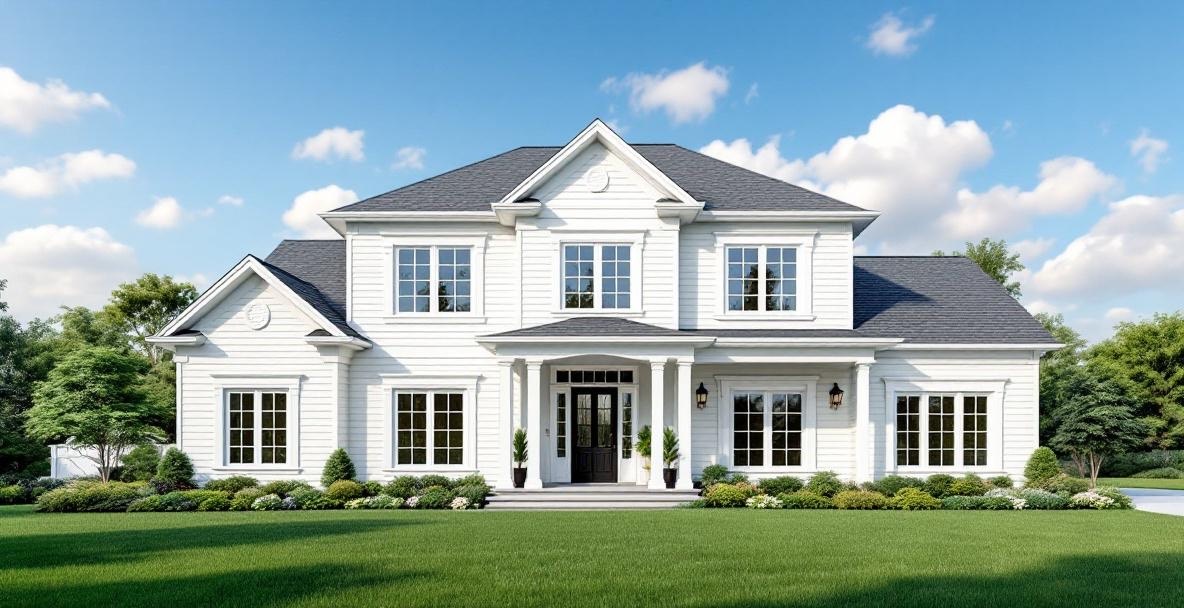
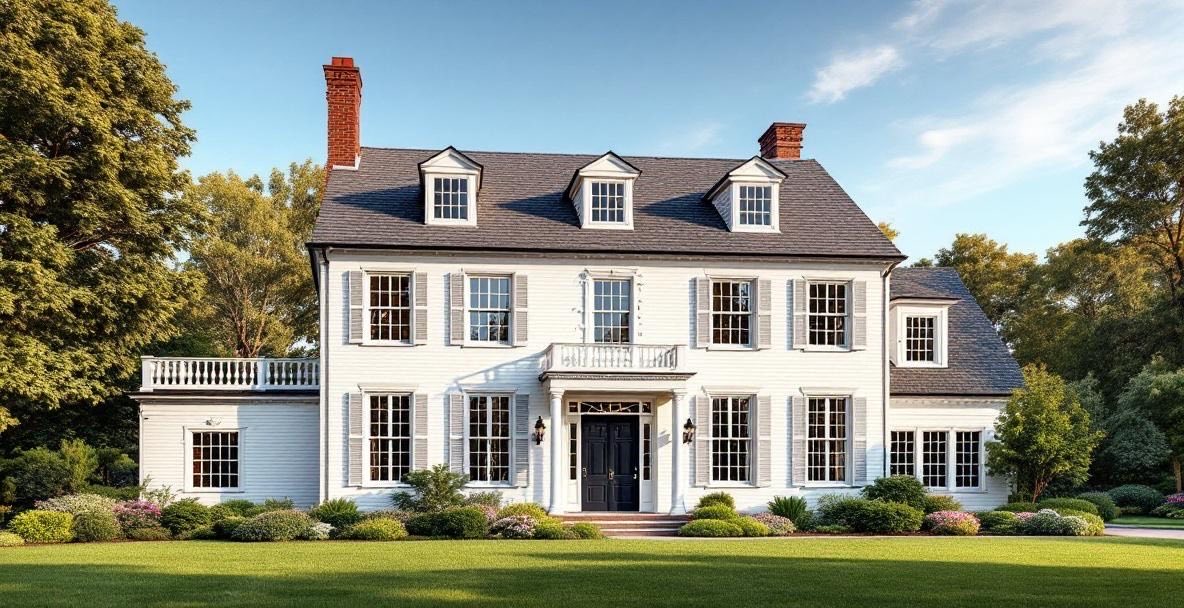
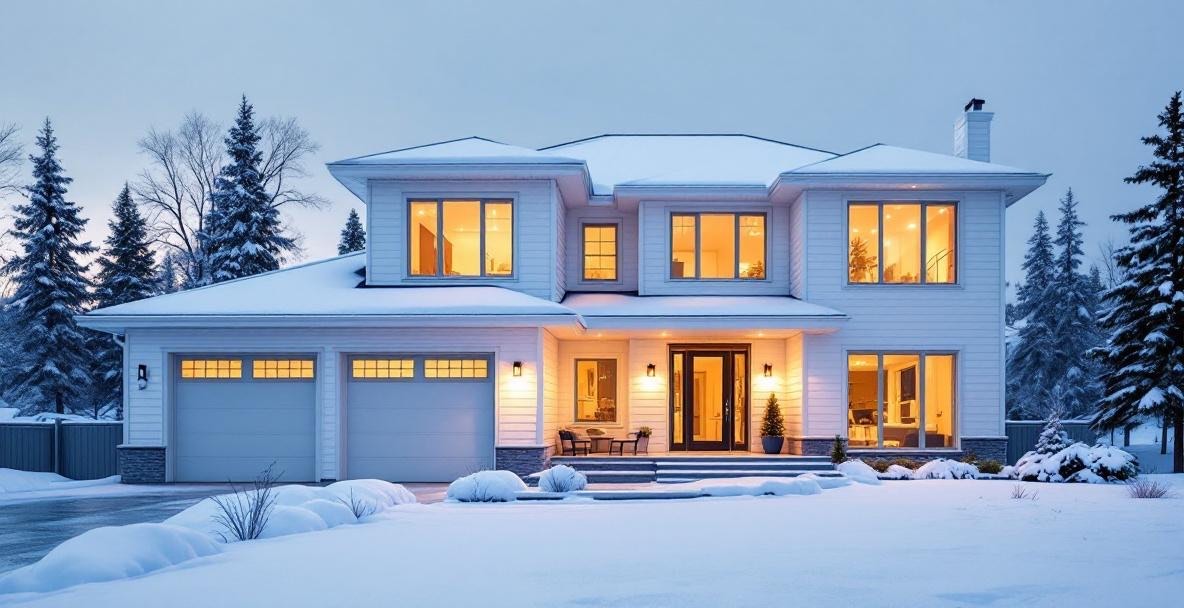
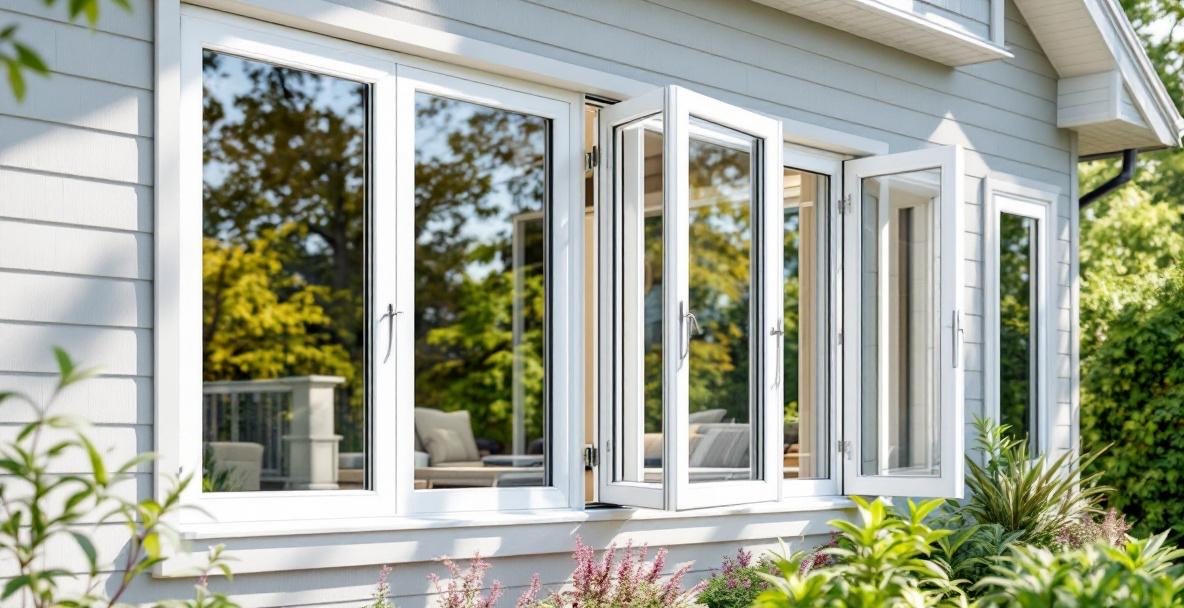
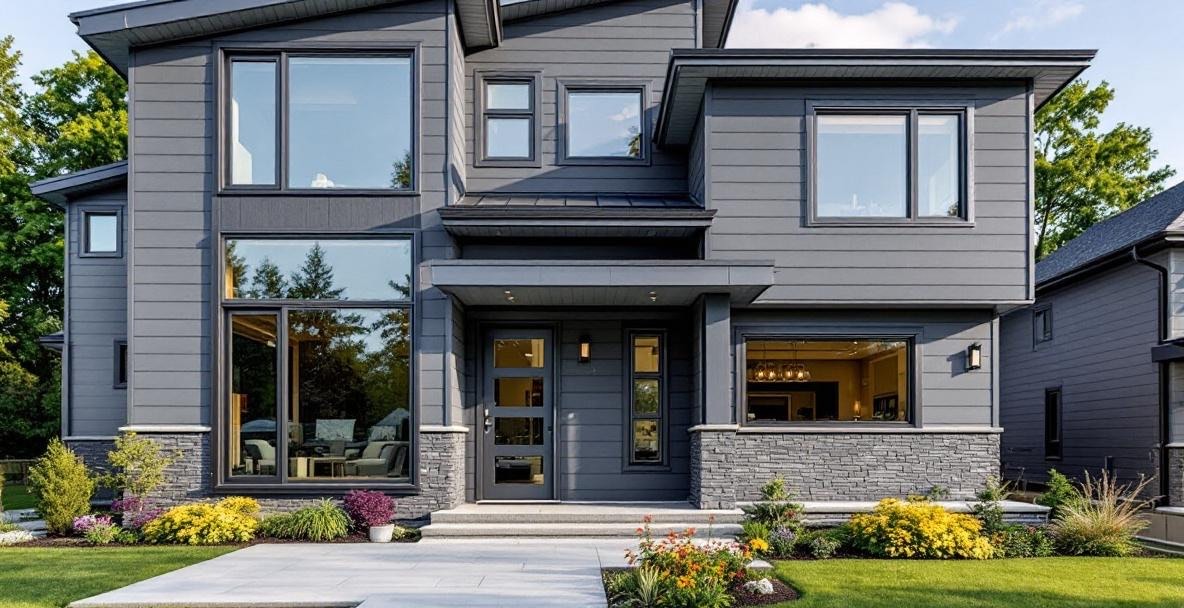
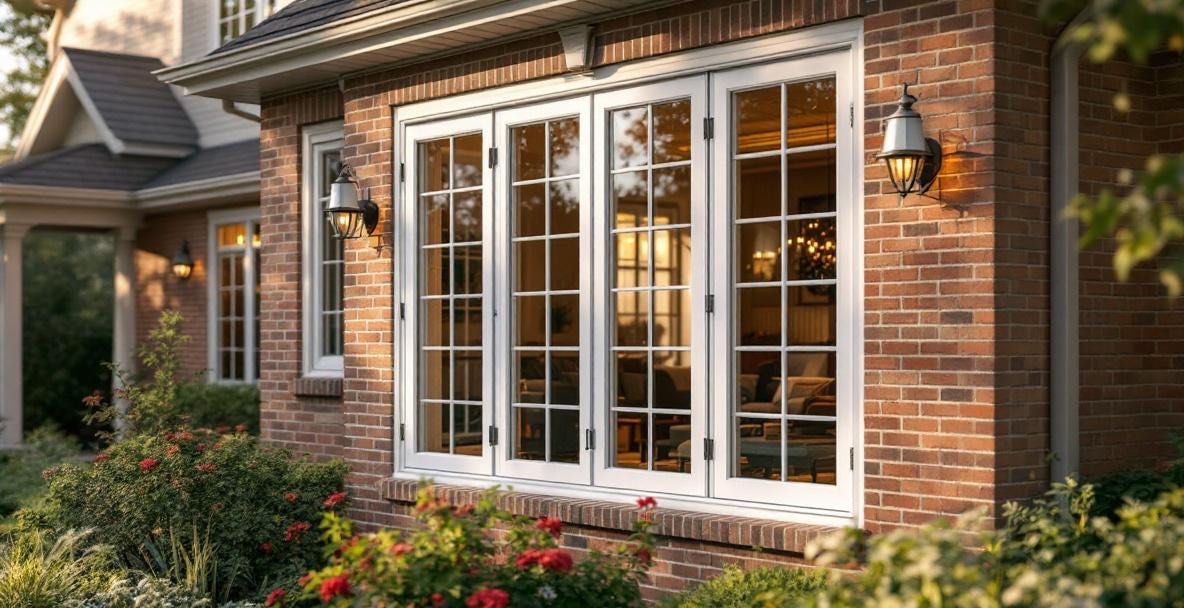
Windows: At a Glance
6
Products
in this category
Up to 11
Colour Options
per product line
Quote
Pricing
request for trade pricing
30 colour SKUs across 6 products
All colours available on a quote basis. Contact us for current stock and lead time.
Windows Buying Guide
Key factors to evaluate when specifying windows for your project.
ER (Energy Rating) and U-Factor
The Canadian Energy Rating (ER) is the key metric for window performance - it balances solar gain against heat loss and air infiltration. Under the current ENERGY STAR Canada requirement a window qualifies at a U-factor of 1.22 W/m²K or lower, or an ER of 34 or higher. The old three climate zones were retired in the 2020 revision, so that is now one national threshold. An ER of 40 or higher is the practical target for a cold-climate build.
Glazing
Standard Canadian residential windows use double-pane Low-E with argon gas fill, which is where most ENERGY STAR qualifying products sit. Triple-pane Low-E with argon or krypton pushes the Energy Rating higher and is worth specifying on a cold-climate build or a home targeting high efficiency. Low-E coatings can be spectrally selective - choose the right solar heat gain coefficient (SHGC) for your orientation: higher SHGC on south-facing windows maximizes passive solar gain; lower SHGC on east and west exposures minimizes summer overheating.
Frame material
Vinyl frames have the lowest thermal conductivity and require no painting or maintenance. Wood-clad windows offer premium aesthetics with a wood interior and aluminum or vinyl exterior cladding. All our vinyl window lines include reinforced frame corners and multi-chamber profiles for structural integrity.
Window operation types
Casements and awnings crank outward and seal against the frame with a compression gasket - the best air seal of any operable window type. Double-hung windows are the traditional choice and easy to clean (tilt-wash sashes). Awning windows are ideal for installations where a window needs to remain open during light rain.
Installation and flashing
Window performance in Canadian climates is equally about installation quality as product quality. Proper self-adhered flashing at the sill and jambs, a continuous air seal at the rough opening perimeter, and installation per the manufacturer's instructions are non-negotiable. Pair new windows with quality housewrap and flashing tape for a complete assembly.
Frequently Asked Questions
What is ENERGY STAR® certification for windows in Canada?
ENERGY STAR® Canada is a federal certification program administered by Natural Resources Canada. Since the 2020 revision it applies one national requirement rather than the former climate zones: a window qualifies at a U-factor of 1.22 W/m²K or lower, or an Energy Rating of 34 or higher. Certified windows may qualify for provincial rebate programs, so check with your provincial utility for current incentives.
Triple pane vs. double pane - is it worth the upgrade in Canada?
For most of Canada, yes. Triple glazing lowers the U-factor and raises the interior glass surface temperature, which is what removes the cold draught and the winter condensation ring at the bottom of the sash. Whether it pays back in energy alone depends on the fuel price and the exposure, so treat the comfort gain as the reliable part and ask us to model the rest against your elevations. For southern Ontario and the Lower Mainland (Zone 1-2), double-pane Low-E with argon is often sufficient and more cost-effective.
What window size do I need for building code egress requirements?
The National Building Code requires that all sleeping rooms have at least one window with an unobstructed opening of at least 0.35 m² (3.76 sq ft) with no dimension less than 380mm (15") in width or height. Sill height must be no more than 1.0m (39.4") above the finished floor. Always confirm with the local authority having jurisdiction.
Can windows be installed in winter in Canada?
Yes, with proper precautions. Use low-temperature-rated spray foam and flashing tapes that maintain adhesion below -10°C. Most flashing tapes and canned foams have a stated minimum application temperature, and many sit around freezing; check the label before a winter install. Keep product packaging warm until immediately before use.