
House Wrap & Insulation
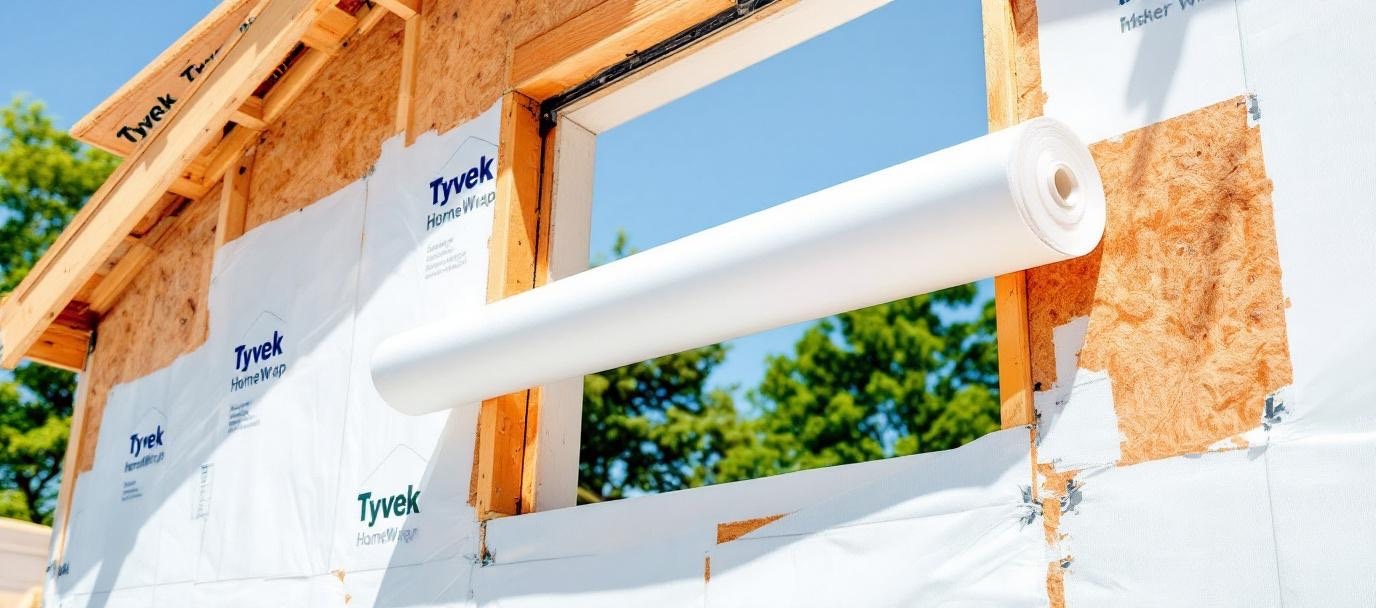
About House Wrap & Insulation
Nothing in this category works on its own. The wrap sheds water the cladding lets past, the flashing closes the openings the wrap cannot, the sealant closes the joints the flashing cannot, and the insulation only performs if the three in front of it did their job. Skip one and the wall does not fail politely; it fails at the one detail that was left out.
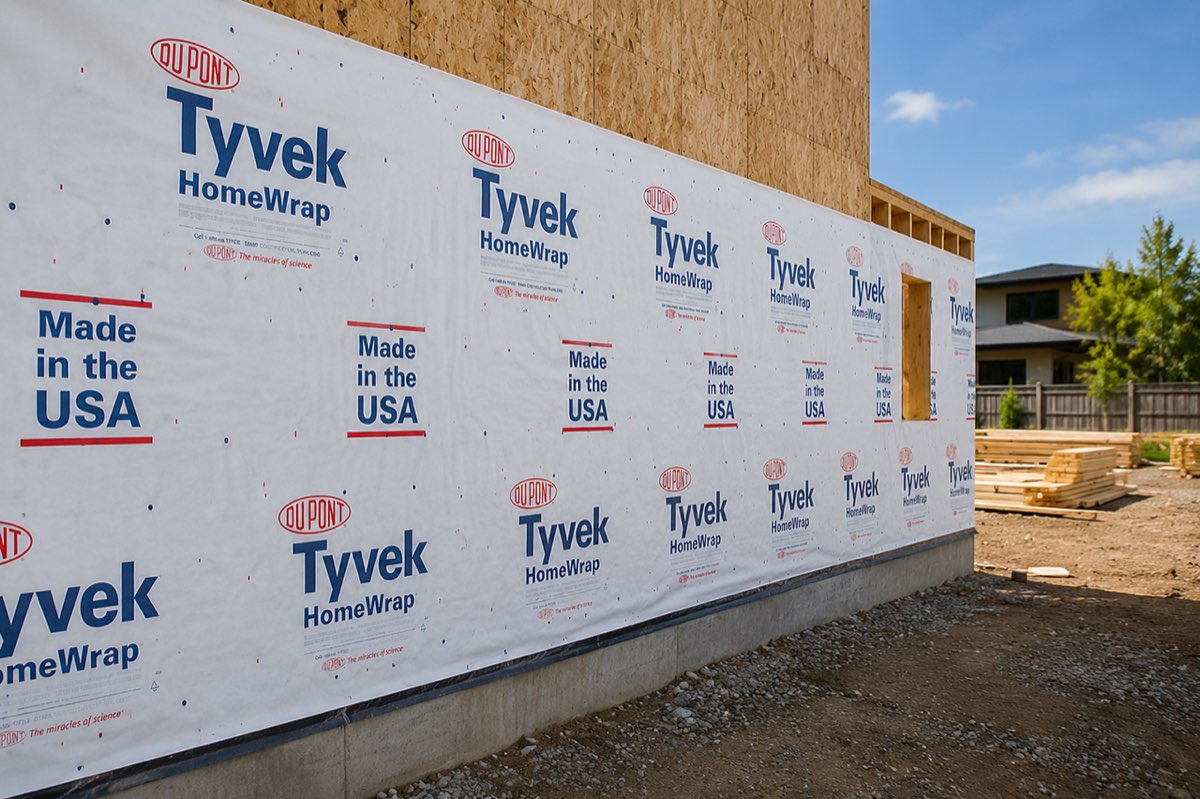
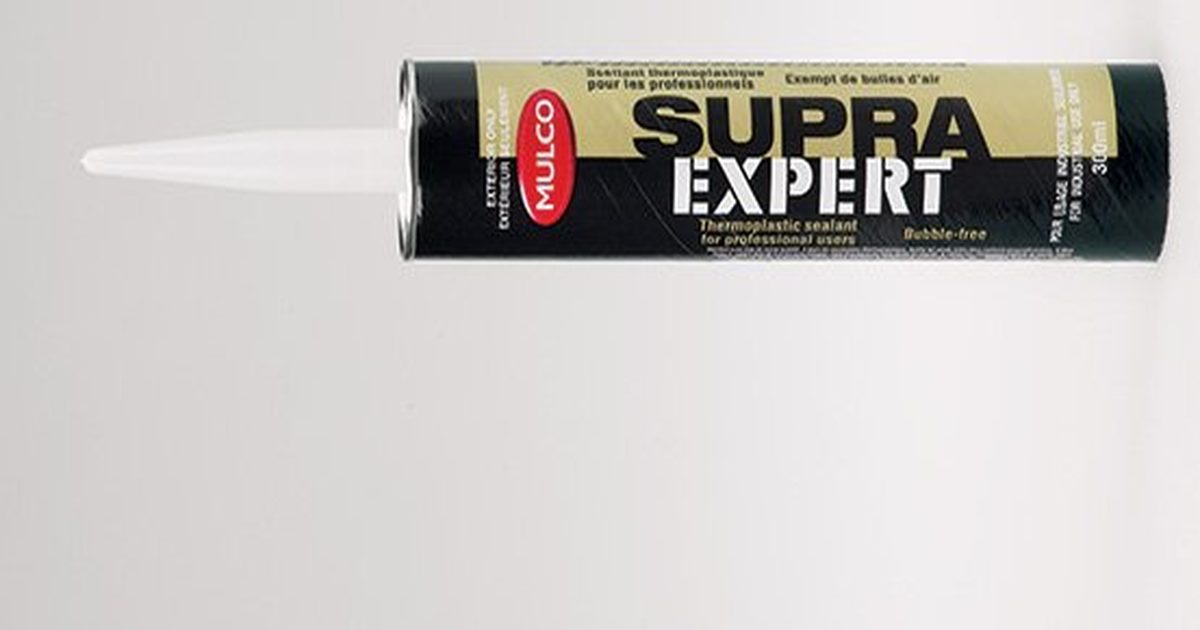
Pro Materials supplies Tyvek® HomeWrap and HomeGuard housewrap, Airfoam AirBoard® AERO and Levelwall insulating sheathing, Blueskin® WB self-adhered window and door flashing, Kop-R-Lastic fluid-applied flashing, Mulco air-barrier sealants, and Tytan Professional foam.
Whether the job is being built to OBC SB-12 in Ontario, to the BC Energy Step Code, or to a net-zero target, the whole set comes off one order. Wholesale supply to contractors and builders across York Region, the GTA, Simcoe County and Durham Region.
House Wrap & Insulation: At a Glance
8
Products
in this category
Up to 49
Colour Options
per product line
Quote
Pricing
request for trade pricing
58 colour SKUs across 8 products
All colours available on a quote basis. Contact us for current stock and lead time.
House Wrap & Insulation Buying Guide
Key factors to evaluate when specifying house wrap & insulation for your project.
Housewrap selection
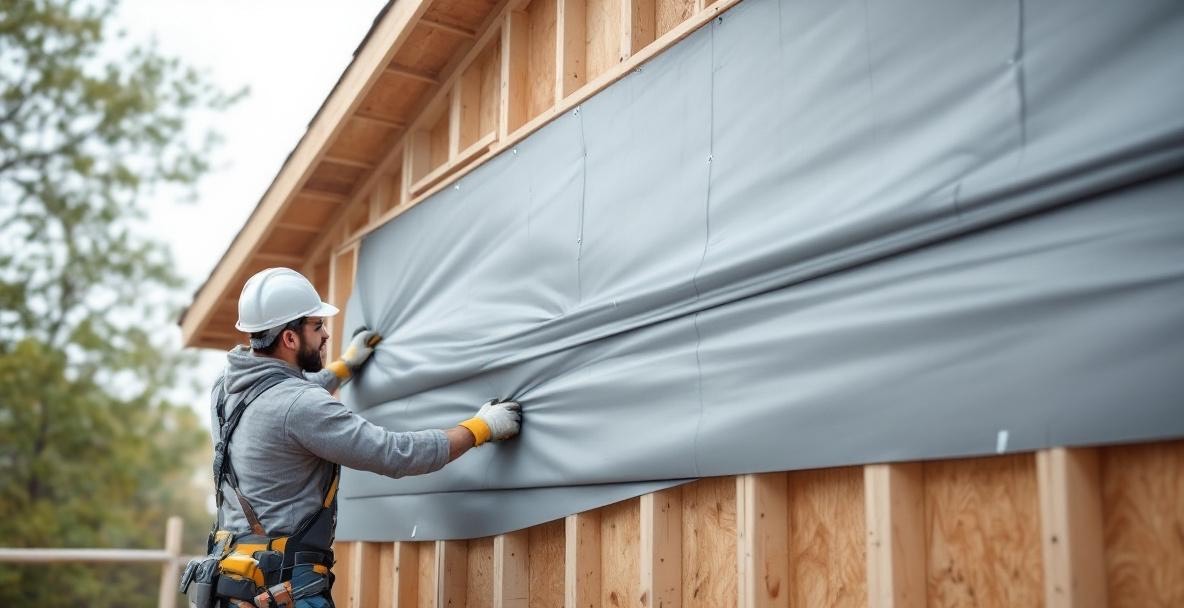
Tyvek® HomeWrap is the category benchmark - a spunbonded polyolefin that blocks wind and bulk water infiltration while allowing moisture vapour to escape from the wall assembly. Its 10 perms vapour permeance is well-suited to most Canadian climate zones. HomeGuard is a cost-competitive alternative with similar performance specs. Key installation requirement: overlap each course by 6" minimum, tape all vertical seams, and tape all window and door rough opening edges before installing the window.
Continuous insulation: AERO
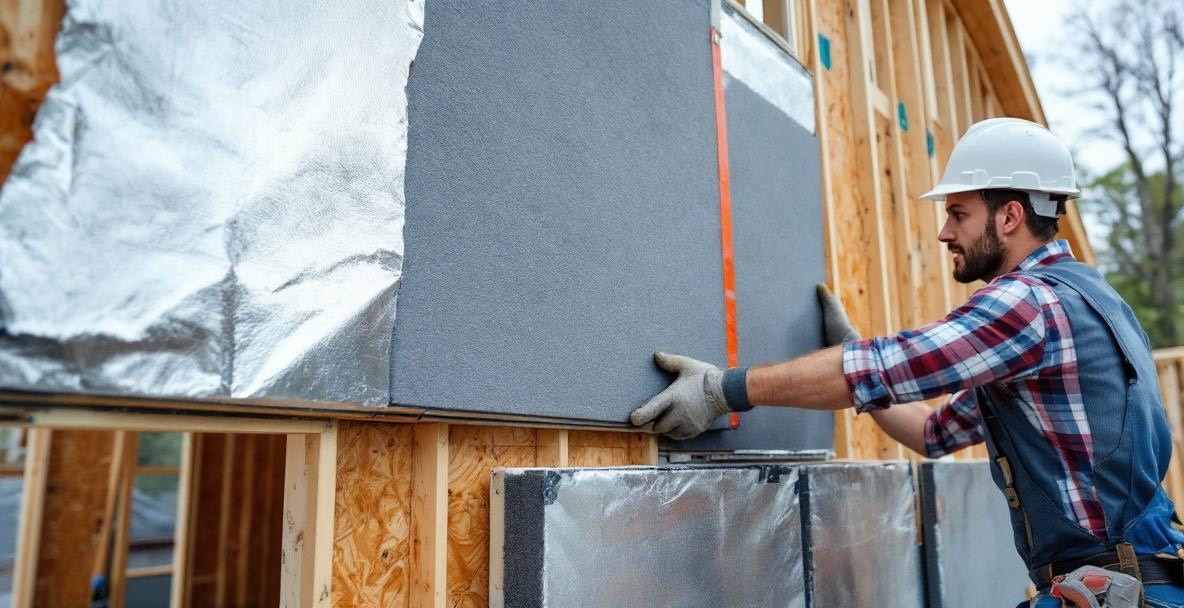
Rigid board outboard of the sheathing is the most effective way to lift wall thermal performance. Airfoam AirBoard® AERO is a graphite expanded polystyrene board rated R-4.7 per inch at 24°C, rising to R-5.2 at 4°C, with no thermal drift because there is no blowing agent to escape. Six standard thicknesses run from 5/8" (R-2.94) to 2-1/8" (R-10), with perforated reflective facers on both sides.
Continuous insulation: Levelwall
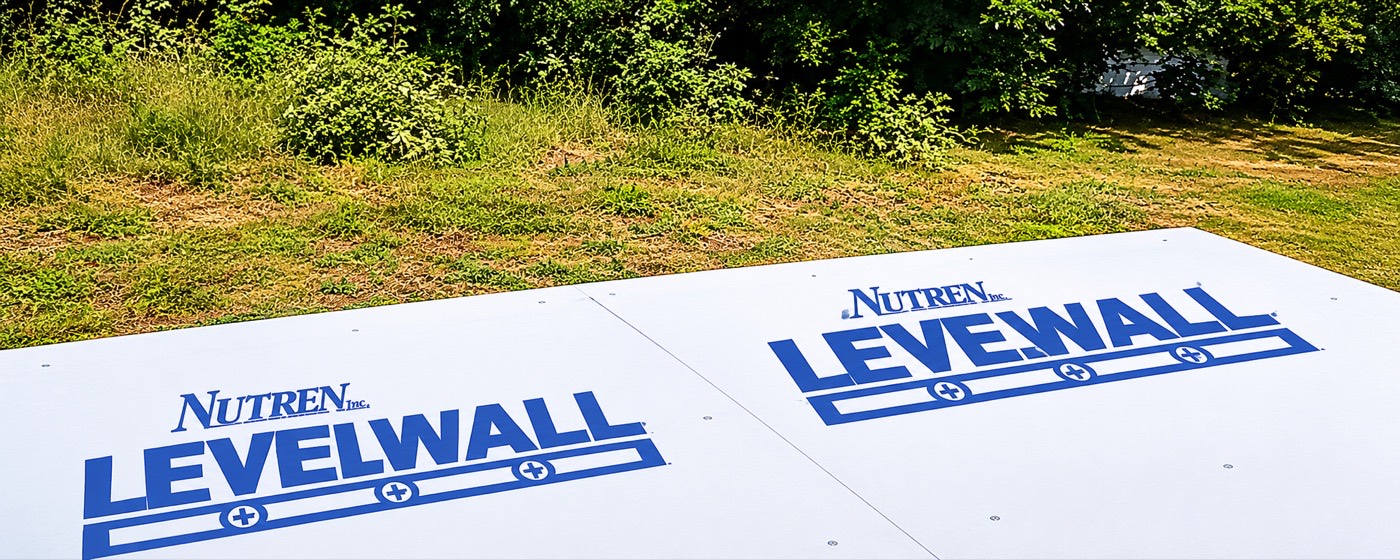
Levelwall is an EPS board with a reflective aluminum facer and over 1,000 breather holes per square foot. On its own it runs R-0.96 at 1/4" up to R-3.85 at 1", and up to R-5.83 as a system where a 3/8" dead air space sits behind the facer. Specify continuous insulation on anything targeting Step 3 or higher in the BC Energy Step Code, or OBC SB-12 Part 5 in Ontario.
Flashing and air-sealing
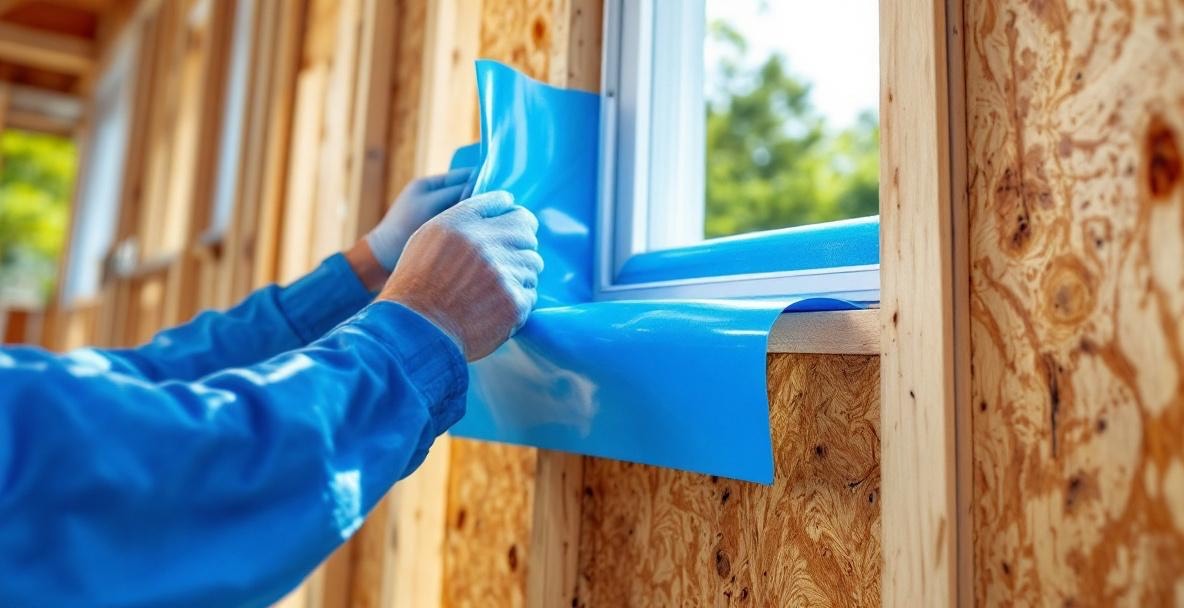
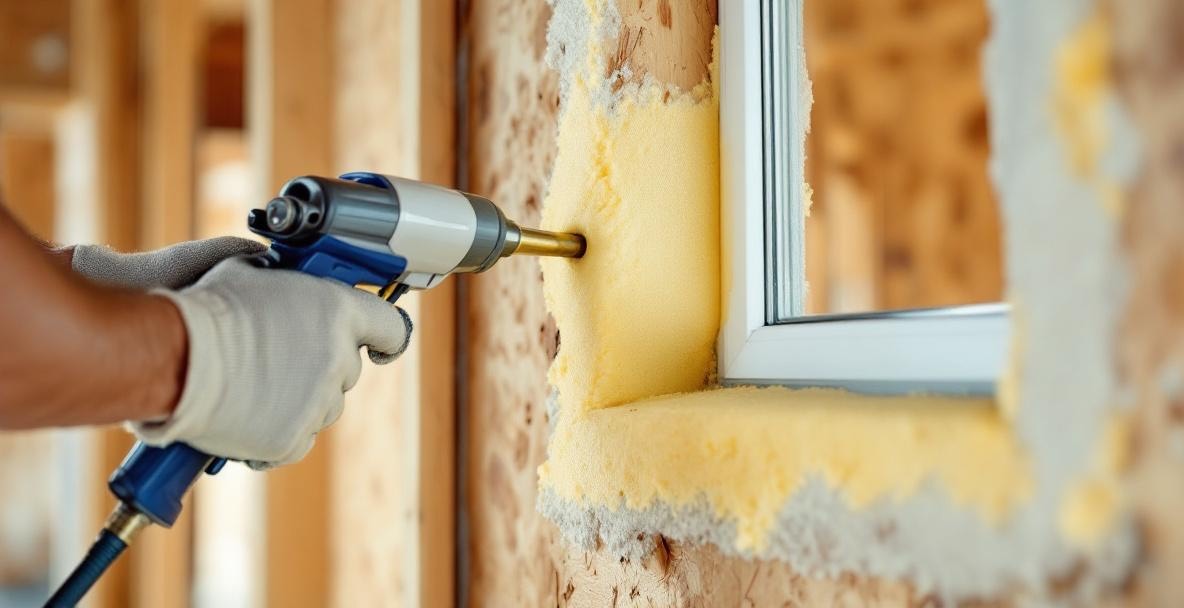
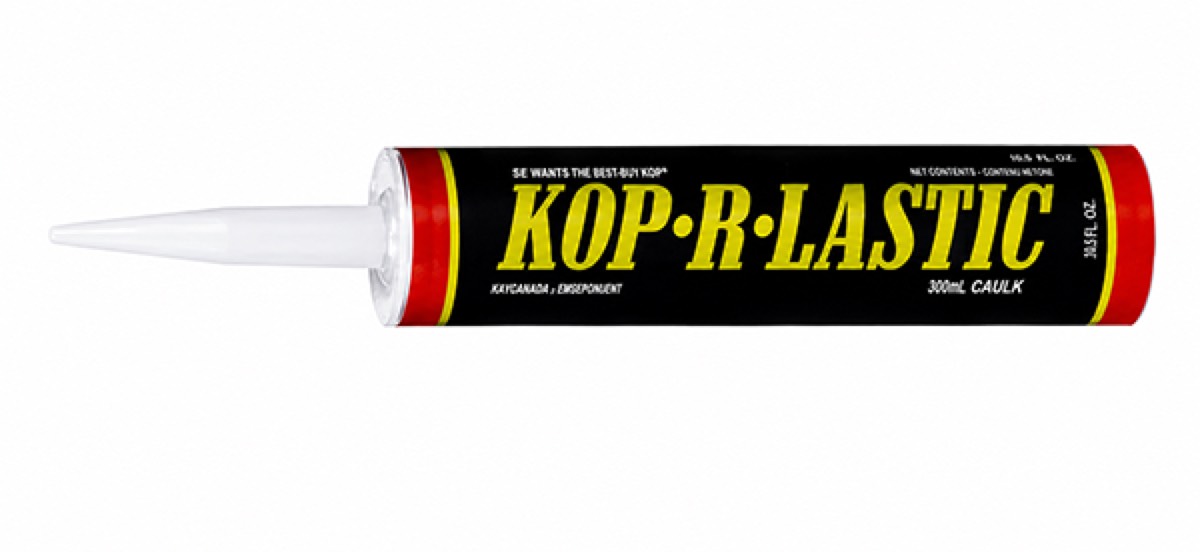
Blueskin® WB self-adhered flashing membrane and Kop-R-Lastic fluid-applied flashing are used at window and door rough openings, foundation-to-wall transitions, and wall penetrations. Mulco sealants provide a durable air seal at trim junctions and penetrations. Tytan foam provides expanding polyurethane fill for gaps around window and door frames.
Installation sequence matters
The order of operations for air and water barriers is as critical as product quality: substrate prep, housewrap, seal laps, flash rough openings, install windows, seal perimeter, install cladding. No step can compensate for a missed earlier step.
Frequently Asked Questions
Do I need housewrap if I'm using rigid foam insulation?
In most cases, yes. Even when rigid foam is used as a continuous outboard insulation layer, housewrap (or a fluid-applied WRB) is required at the sheathing level to serve as the primary water-resistive barrier for the wall assembly. The rigid foam layer provides insulation but is not a code-compliant WRB on its own. Check your jurisdiction's building code for the specific requirements for your wall assembly type.
What is the difference between Tyvek HomeWrap and HomeGuard housewrap?
Tyvek® HomeWrap (DuPont) is the industry-leading housewrap - spunbonded polyolefin fabric, 10 perms, and a proven 35+ year track record. HomeGuard is a polypropylene-based competitive product with similar water resistance and vapour permeance specs at a lower price point. Both are suitable for residential and light commercial applications. Tyvek has more extensive third-party testing data and is specified by name on many projects; HomeGuard is the choice when performance-equivalent value is the priority.
What foam sealant should I use for window and door rough openings?
Use a low-expansion window and door foam, not standard high-expansion foam. High-expansion foam can bow PVC window frames and cause operational problems. Tytan Professional Door and Window foam is formulated to provide an airtight seal while exerting minimal expanding pressure on frames. Fill the rough opening gap completely in one or two passes; do not overfill.
Is rigid foam insulation board fire rated?
Polyisocyanurate (polyiso) and expanded polystyrene (EPS) rigid foam boards are combustible and must be covered with a minimum 15mm (5/8") Type X gypsum board or equivalent thermal barrier when used inside conditioned spaces. On the exterior (outboard of sheathing, behind cladding), foam insulation does not require a thermal barrier as long as the cladding system meets the code requirements for exterior application.