Aluminum Siding & Cladding

About Aluminum Siding & Cladding
Aluminum siding is the answer when a wall has to survive weather that vinyl shrugs at and steel eventually rusts through. It does not rot, it does not rust, it is non-combustible, and in Ontario it installs at roughly $8 to $12 per square foot, which puts it between vinyl and steel on price and ahead of both on corrosion.
Pro Materials stocks Kaycan's three aluminum wall systems, and they are not three versions of one product. LYNX is the extruded architectural panel with an acrylic wood-look face, 7 colours, 25 year finish and 50 year product warranty. Urbanix is the volume panel, 0.027 inch high tensile aluminum in a 6 inch smooth profile, made in Canada, 13 colours and the broadest palette of the three. Alu-Composite S-100 is the flat architectural panel, 4 mm composite with a PVDF KYNAR 500 finish and a 20 year finish warranty, 10 colours.
Between them they cover 24 distinct colours. Wholesale supply to contractors, builders and architects, quoted per order.
Aluminum Siding & Cladding: At a Glance
3
Products
in this category
Up to 13
Colour Options
per product line
Quote
Pricing
request for trade pricing
30 colour SKUs across 3 products
All colours available on a quote basis. Contact us for current stock and lead time.
Aluminum Siding & Cladding Buying Guide
Key factors to evaluate when specifying aluminum siding & cladding for your project.
Aluminum siding splits three ways by brief rather than by budget. If the wall should read as timber from the sidewalk and never ask for a stain, that is LYNX. If it needs a clean contemporary plane in a colour somebody has already chosen, that is Urbanix, which carries the widest range of the three. If a designer wants an uninterrupted flat facade with no visible fastener, that is Alu-Composite S-100.
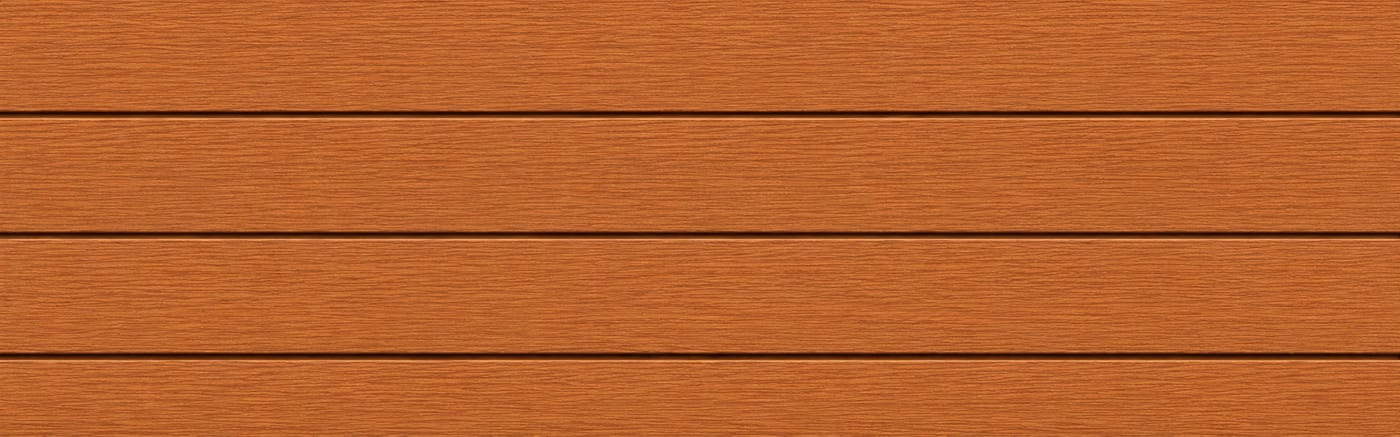
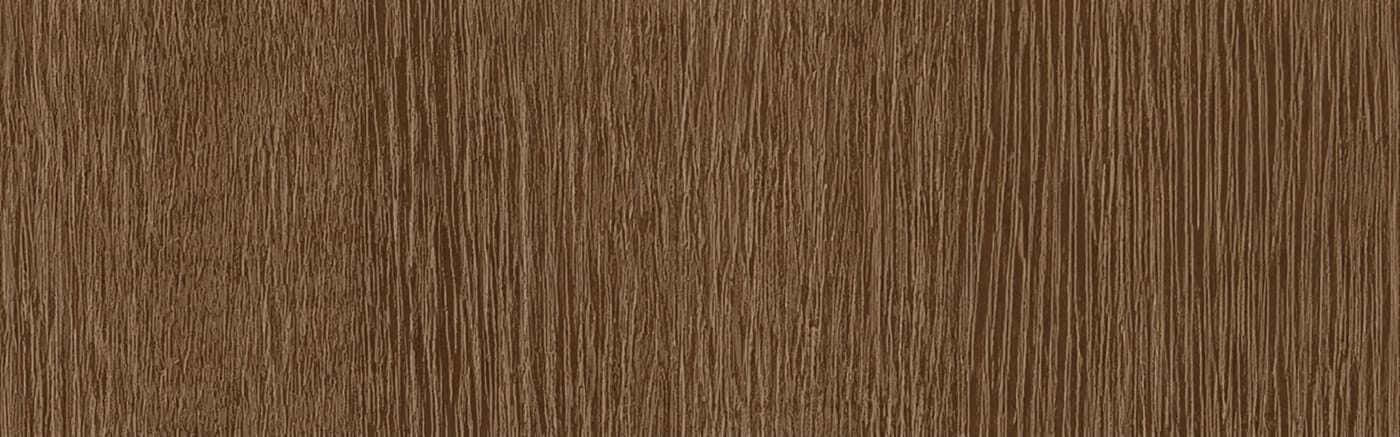
A 0.071 inch extruded aluminum core with a PMMA acrylic wood-look surface over a PVC support layer, powder coated and non-combustible. Three layer construction gives it rigidity and impact resistance no rolled panel matches. 25 year finish warranty and a 50 year product warranty, and that second one requires registration by the final customer, so tell the homeowner at handover or it quietly does not exist. Seven colours, five of them timber tones.
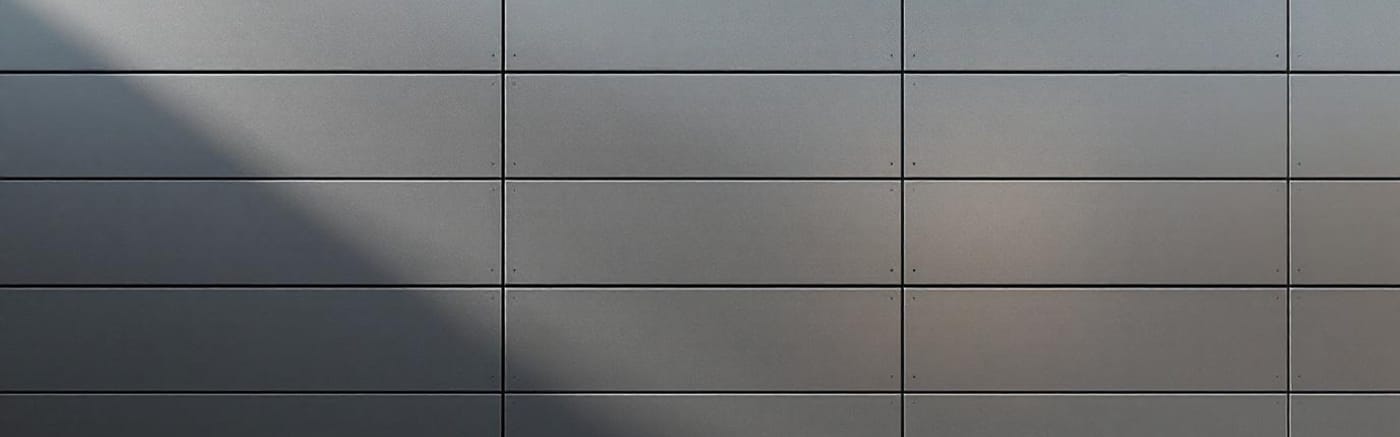
0.027 inch high tensile aluminum in a 6 inch smooth profile, manufactured in Canada, 13 colours. It will not rust or rot, which is why it keeps turning up on lakefront and shoreline work where a steel panel would be a maintenance conversation five years in. This is the one to price first on a straightforward re-clad.
StacBond FR panels distributed by Kaycan: two aluminum face sheets bonded to a fire retardant thermoplastic core at 4 mm total, finished in PVDF KYNAR 500 70/30 with a 20 year finish warranty. Ten colours. It is a facade system rather than a lap siding, specified for commercial envelopes and premium residential where a flat plane is the whole point.
The three systems do not share one colour chart. LYNX shares no colour name with Urbanix, with Alu-Composite, or with the 22 colour Kaycan aluminum soffit palette. Urbanix and Alu-Composite overlap on six. That means a LYNX wall is finished at the eave with brake formed coil rather than a stock soffit colour, and it is worth knowing before the trim package is priced rather than after. Our Kaycan siding guide sets out every overlap colour by name.
Frequently Asked Questions
How much does aluminum siding cost in Ontario?
Aluminum siding installs at roughly $8 to $12 per square foot in the Ontario market, which puts it above vinyl at $6 to $9 and below steel and fibre cement, both of which run $12 to $18. GTA labour sits at the high end of every one of those ranges and rural crews usually come in 10 to 15 percent under. The spread inside the aluminum range is mostly profile and gauge: an extruded panel like LYNX costs meaningfully more than a rolled 0.027 inch panel like Urbanix. Our metal siding guide works through where the money goes across all four materials.
Is aluminum siding better than vinyl?
It depends which failure you are trying to avoid. Aluminum is non-combustible where vinyl is not, it will not warp in heat that distorts a dark vinyl panel, and it does not go brittle in a deep freeze. Vinyl is cheaper, at $6 to $9 installed against $8 to $12, and it takes a knock without showing a dent where aluminum will mark. On a lakefront or a wildfire interface lot, aluminum wins on the specification rather than the price. On a straightforward suburban re-clad with a tight budget, vinyl usually still wins.
Does aluminum siding dent?
Yes, and that is the honest trade against steel. Aluminum is a softer metal, so a ladder foot, a stray ball or hail will mark a 0.027 inch panel in a way a 26 gauge steel panel shrugs off. The mitigation is gauge and construction: LYNX is an extruded 0.071 inch panel with a PVC support layer behind the face, which is a different proposition from rolled sheet. If impact is the dominant risk on the elevation, our steel panel siding is the better specification and we stock the full MAC Metal line.
Does aluminum siding rust?
No. Aluminum does not contain iron, so it cannot rust the way steel does. It forms a thin oxide layer that protects the metal underneath rather than flaking off it, which is why aluminum is the default specification for lakefront, shoreline and salt exposed work and why it needs no special coating for those conditions. The finish is a separate question from the metal: LYNX carries a 25 year finish warranty and Alu-Composite S-100 a 20 year warranty on its PVDF KYNAR 500 coating.
How many colours does Kaycan aluminum siding come in?
Twenty four distinct colours across the three wall systems. Urbanix carries 13, the broadest of the three, Alu-Composite S-100 carries 10 and LYNX carries 7. They do not share one palette: LYNX shares no colour name with the other two or with the 22 colour aluminum soffit range, and Urbanix and Alu-Composite overlap on six. Our Kaycan siding guide lists every colour and every overlap, which is the detail that decides how the eave gets finished.
Is aluminum cladding fire rated?
Aluminum itself is non-combustible, which is the specification advantage over vinyl on any project with a fire resistance requirement. The LYNX extruded panels are non-combustible. Alu-Composite S-100 uses a fire retardant thermoplastic core between its aluminum faces, which is a different construction and carries its own classification. On any project where fire code drives the envelope, confirm the classification against the manufacturer's current test reports rather than a catalogue line, including ours.
What is PVDF KYNAR 500 coating and why does it matter?
PVDF, polyvinylidene fluoride, sold under the Kynar 500 trade name, is the benchmark for factory applied exterior metal finishes. The 70/30 formulation on the Alu-Composite S-100 panels resists UV, holds colour and resists chalking far longer than a standard polyester coating, which is why it carries a 20 year finish warranty. On a commercial facade in full sun that difference is the whole argument, because the failure mode on a cheaper coating is not the panel giving up, it is the south elevation no longer matching the north one.
Can aluminum siding be painted?
It can be, and it is usually a sign something has gone wrong. These panels ship with a baked factory finish carrying a 20 or 25 year warranty, and field painting is outside that warranty. If the colour is wrong, changing the specification before the order is far cheaper than repainting a wall later. Where a colour genuinely cannot be matched off the shelf, the usual answer on a Kaycan job is brake formed trim coil in a matching finish rather than a paintbrush. Ask us for a quote and we will tell you whether the colour exists before you commit to it.