
Metal Siding in Canada: Cost, Profiles, and Why Ontario Contractors Are Switching to Steel
Key points
- MAC Metal steel siding carries a Class A fire rating, a 40-year finish warranty, and a hidden-fastener system with no exposed screws
- Installed cost in Ontario runs $12 to $18 CAD per square foot for steel siding vs $6 to $9 for vinyl
- Eight steel profiles, from farmhouse board and batten to wide flat Versa panels, in up to 19 colours
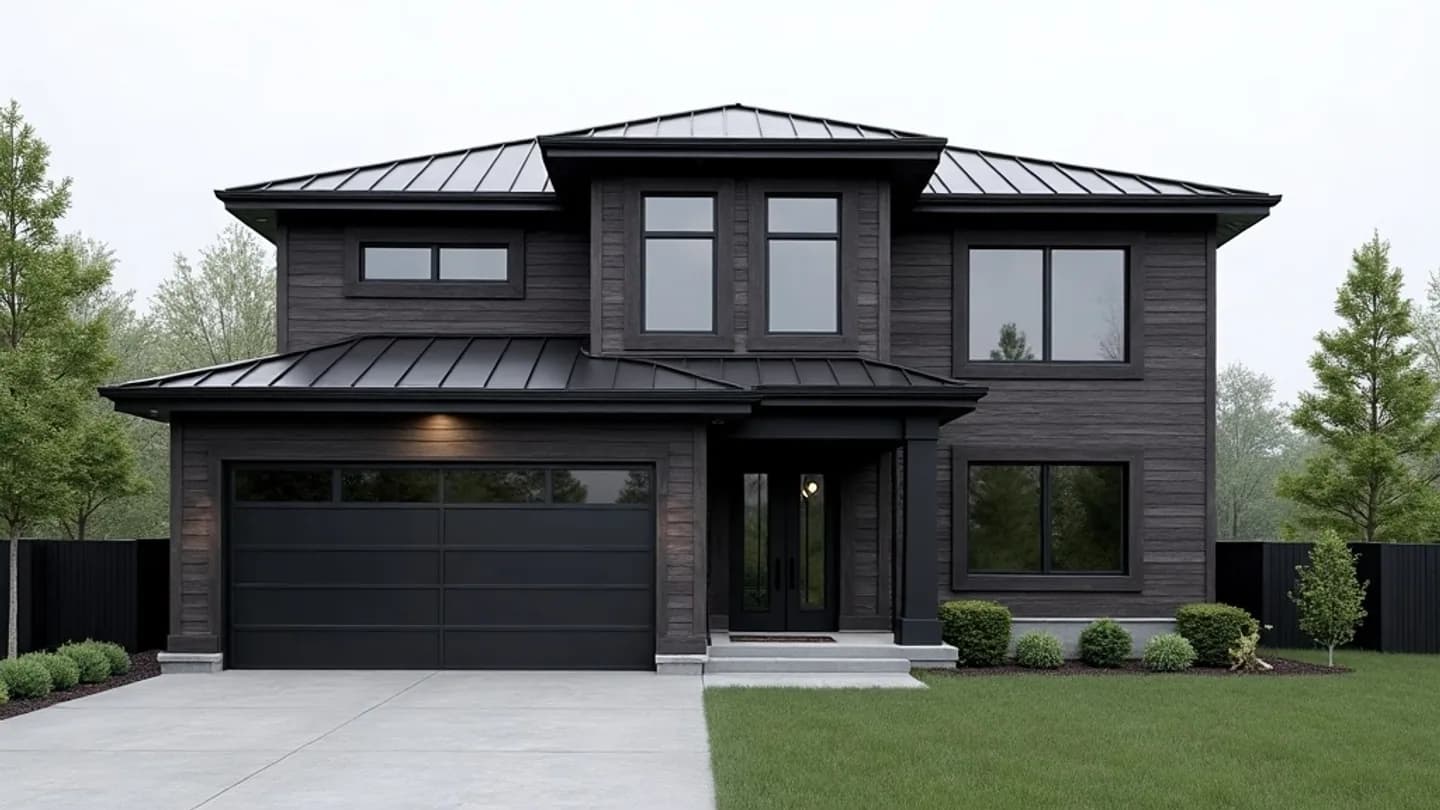
Metal siding has gone from a commercial and agricultural product to a mainstream residential cladding choice in Canada, and the contractors noticing it first are the ones losing modern-build bids to it. The metal siding Canada is adopting fastest is steel, not the aluminum of a generation ago. Where a homeowner used to ask for vinyl, a growing share now arrive with a photo of a dark, wood-grain steel facade they saw on a custom home and want the same look. For Ontario contractors, steel metal siding now shows up on three kinds of jobs: architect-driven new builds, premium re-clads where the client wants a maintenance-free wall that still reads as high-end, and accent walls paired with vinyl or stone on the body of the house.
At Pro Materials, our metal siding line is MAC Metal Architectural, a steel cladding system engineered specifically for Canadian climate exposure. This guide covers what metal siding in Canada actually is, the eight steel profiles we stock, real installed pricing in Canadian dollars, the install details that keep a steel wall flat and watertight, and why steel holds up where other cladding gives out. Browse the full steel and metal panel siding range for every profile and colour we carry. If you are already comparing materials for a vertical look, our board and batten siding guide puts steel head to head with vinyl and engineered wood, our LP SmartSide and engineered wood siding guide covers that middle rung on its own, and our complete guide to vinyl siding in Ontario covers the vinyl side of that decision in full.
What Is Metal Siding?
Metal siding is exterior cladding formed from steel or aluminum panels with a baked-on paint finish, and in Canada the dominant product is pre-painted galvanized steel: a zinc-coated steel core sealed under a factory paint system, interlocked with hidden fasteners so no screw heads show on the finished wall. It is non-combustible, dent-resistant, and impervious to rot, insects, and moisture.
The two metals on the market are steel and aluminum, and they are not interchangeable. Aluminum siding is the older technology: light, rustproof, and a fit for coastal salt exposure, but standard rolled aluminum lap is soft enough that hail, ladders, and stray hockey pucks leave permanent dents. Extruded panels such as Kaycan LYNX, at 0.071 inch, are the stiffer exception. Steel is the product driving the current demand. The galvanized steel core gives it the rigidity to shrug off impacts that would dent aluminum, and the baked-on finish holds colour for decades without a repaint.
What separates premium steel siding from a basic agricultural metal panel is the fastening system. Older through-fastened metal panels show a grid of exposed screw heads, which read as industrial and become the first leak path as gaskets age. Every MAC Metal wall profile uses a concealed interlock instead: each panel locks into the one before it and the fasteners hide behind the next panel. The result is a clean, continuous surface with no visible screws, which is exactly the architectural look homeowners are asking for.
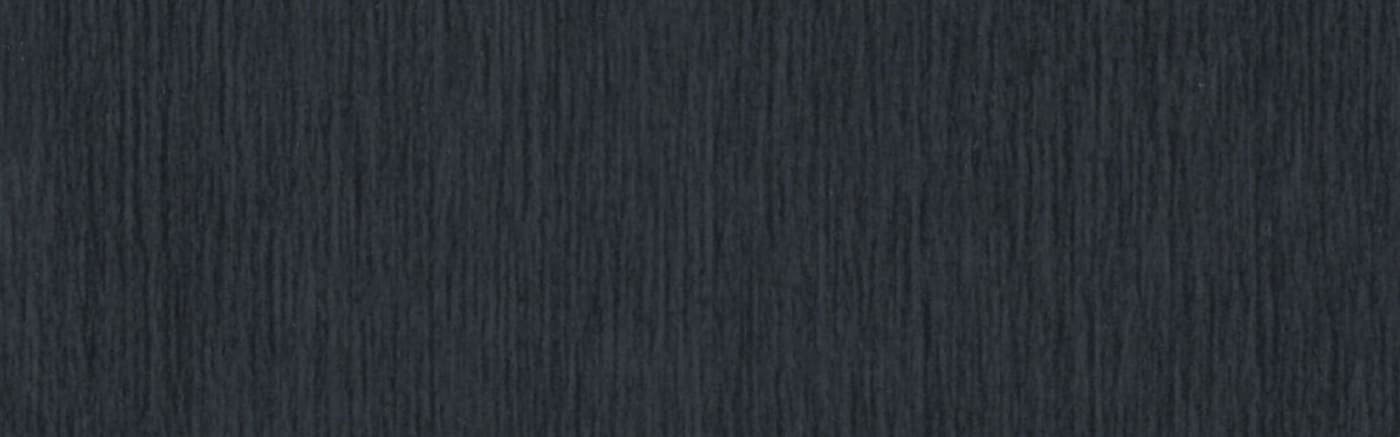
The finish is the other half of the story. MAC's panels use the TEXTURAL matte paint system, including a wood-grain version that reproduces the look of stained cedar or oak in a non-combustible steel panel. That single capability, the warmth of wood with the durability of steel, is the reason a lot of Ontario re-clad clients choose it over both vinyl and real wood.
MAC Metal Steel Siding Profiles at Pro Materials


How Ontario Contractors Are Using Metal Siding
The metal siding Canada put on farm buildings a generation ago has almost nothing in common with these profiles, and that history is the objection to clear first with a homeowner. A common use is the modern accent facade: MAC Norwood, a spaced-plank steel profile, in a dark wood-grain finish across the street-facing elevations, with horizontal vinyl on the side and rear walls to hold the budget. The steel reads as the premium material exactly where the street sees it, and the wood-grain finish gives a warm, contemporary look without a single board of real wood.
Full-facade steel re-clads sell on maintenance. On a tired two-storey that would otherwise mean repainting cedar every few years for another two decades, a wood-grain plank profile such as MAC Harrywood PLUS takes the paint cycle off the table: no repaint, no rot, and a 40-year finish warranty whose fade and chalking limits run through the first 30 years.
Mixed-material exteriors are where steel earns its keep on higher-end jobs. The look winning custom-home contracts across Simcoe County and the GTA right now stacks textures: a faux stone wall panel base course, a steel or vinyl field, and a polymer cedar shake gable. For what that stone base costs by product type, see our stone veneer cost guide for Ontario. MAC's wood-grain steel sits comfortably in that stack as the contemporary middle layer, and because it shares the same drainage-plane install logic as the other claddings, a single crew can detail the whole wall.
Steel is also moving onto soffits. Several MAC profiles, including Norwood, Harrywood PLUS, Metal Block, and Versa, come in a vented version that provides intake ventilation while matching the wall panel exactly, so the soffit and the wall read as one continuous material instead of a vinyl afterthought. MAC rates vented Norwood at 3.445 square inches of open area per linear foot, and vented Harrywood PLUS, Metal Block and Versa at 4.594, which are the figures to use in the attic vent calculation. Where the eave is finished in vinyl or aluminum instead, our soffit and fascia installation guide covers the intake ventilation math and the soffit panel buying guide turns it into a carton count. The eavestrough and downspouts hang off that same fascia line, so a full re-clad is the moment to size the eavestrough system for the roof while the crew is already at the eave.
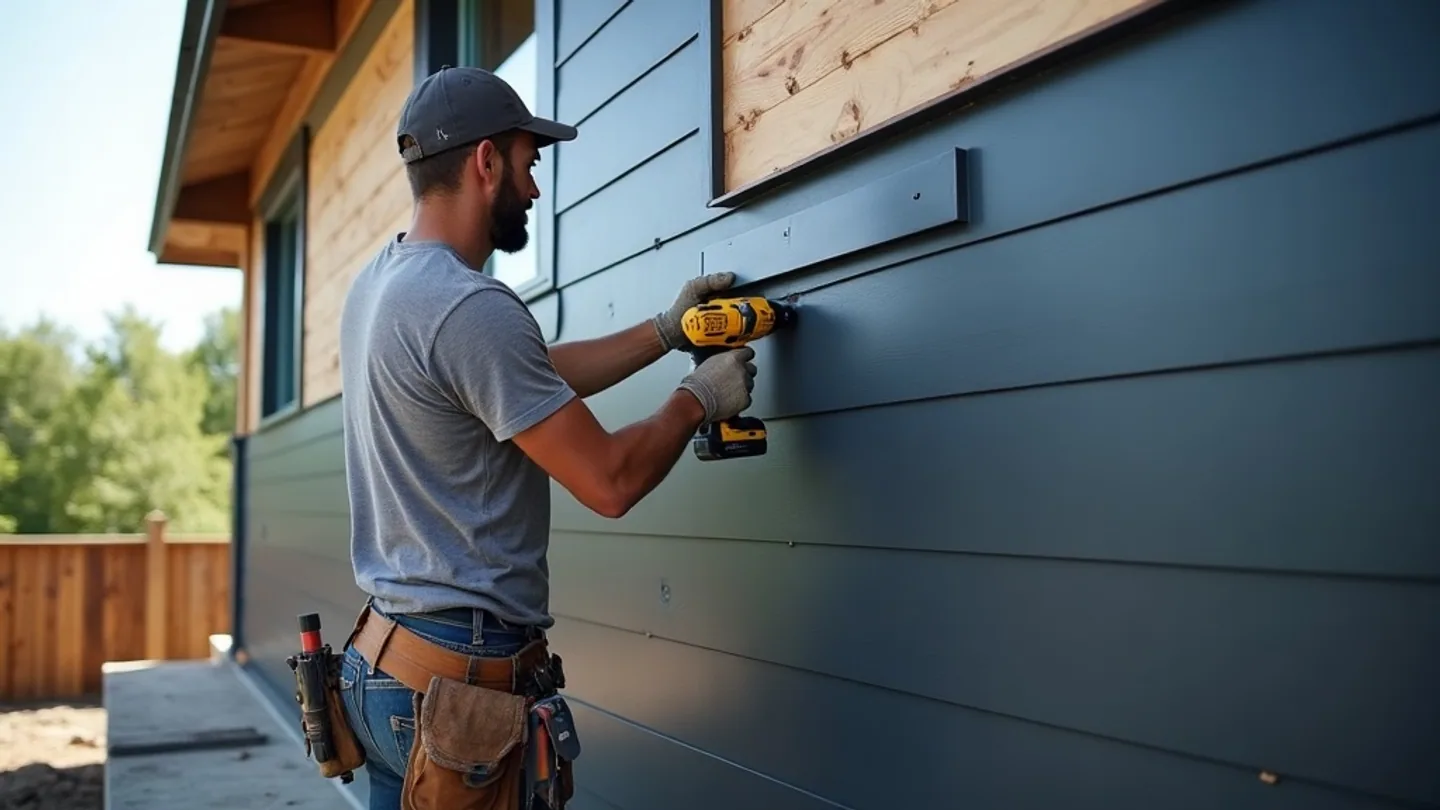 MAC Metal steel siding going up over a furred rainscreen cavity on a custom build in York Region, ON. The hidden-fastener interlock leaves no visible screws on the finished wall.
Which MAC Metal Steel Siding Profile Should You Spec?
Pro Materials carries eight steel profiles from the MAC Metal Architectural wall line, covering everything from a rustic farmhouse vertical to a wide, screw-free modern plank. Every profile is pre-painted galvanized steel, carries a 40-year limited finish warranty, and is made from 86 percent recycled steel. All are rated Class A under ASTM E84 except Polymac, which MAC rates Class A only without its polystyrene foam backer. Here is how they compare, grouped by the look they deliver on the wall.
Wood-grain and farmhouse profiles carry the TEXTURAL matte finish that reads as real stained wood, and they suit heritage re-clads, modern farmhouse builds, and warm contemporary facades.
| Profile | Collection | Look | Coverage / Exposure | Steel Gauge | Wind Rating | Colours |
|---|---|---|---|---|---|---|
| Norwood | Norwood | Spaced-plank, beveled edge | 5.38" exposure | 26g / 24g | 117.5 psf @ 16" o.c. | 16 |
| Norwood Mini | Norwood | Narrow Scandinavian strip | 3.4" exposure | 26g / 24g | 117.5 psf @ 16" o.c. | 16 |
| Harrywood PLUS | Harrywood | Wood-grain plank | 6.06" exposure | 26g / 24g | 78 psf @ 16" o.c. | 10 |
| Board and Batten | Farmhouse | Vertical farmhouse | 12" coverage | 26g | 53 psf @ 24" o.c. | 3 |
Modern, seamless, and architectural profiles lean on flat planes, metallic finishes, and a continuous screw-free surface for contemporary and commercial work.
| Profile | Collection | Look | Coverage / Exposure | Steel Gauge | Wind Rating | Colours |
|---|---|---|---|---|---|---|
| Harrywood Block | Harrywood | Ceramic-block, metallic | 6.06" exposure | 24g / 26g | 78 psf @ 16" o.c. | 5 |
| Metal Block | Metal Block | Seamless tile or block | 12" coverage, 3 to 60 ft | 24g | 80 psf @ 16" o.c. | 10 |
| Versa | Versa | Wide flat plank | 12" coverage, 3 to 60 ft (12 ft max recommended) | 24g | 80 psf @ 16" o.c. | 10 |
| Polymac | Polymac | Railless architectural panel | 12" or 20" panels | 24g | 36.7 psf @ 24" o.c. | 19 |
A few profiles stand out for specific jobs. Norwood and Norwood Mini share a beveled edge with an anti-siphoning channel and the highest tested wind load of the eight at 117.5 psf at 16 inches on centre, a breaking-point figure from MAC's ASTM D5206 test with no safety factor applied, and the two can be mixed on one wall for a Scandinavian variable-width look. Board and Batten is the steel answer to the modern farmhouse vertical, with a hidden-fastener batten and a 40-year finish where painted wood would be peeling.
Metal Block and Versa are the wide, seamless modern panels, available in custom lengths and engineered so an individual damaged panel can be replaced without pulling the ones beside it. Polymac offers the broadest palette at 19 colours across wood-grain, metallic, and solid finishes. If you are weighing a steel finish against a painted vinyl wall, our 2026 vinyl siding colours guide covers the comparable shades and the darks that now hold their colour in vinyl.
For colour-heavy jobs, the Norwood and Polymac lines carry the most options, while Board and Batten and Harrywood Block are deliberately tighter ranges aimed at a specific architectural style. MAC's colour availability chart shows which colours are made on each profile. One of the six schemes in our exterior house colours guide pairs Norwood in Anthracite with a Harrywood PLUS Cedar accent and black aluminum trim and eaves.
Metal Siding Canada Costs: How Much Is It Per Square Foot?
Steel metal siding costs $12 to $18 CAD per square foot installed in the Ontario market, with the spread driven by profile, steel gauge, and labour rates. Aluminum siding runs lower at roughly $8 to $12 installed, while vinyl sits at $6 to $9 and fiber cement at $12 to $18. GTA labour lands at the high end of every range. Our fiber cement vs vinyl siding comparison breaks down where that fibre cement premium actually goes.
Where steel lands against every other cladding is worked through in the siding cost guide for Ontario, which shows steel finishing cheaper to own than engineered wood despite the higher sticker.
Material is only part of the installed number. Steel folds in the furring cavity, the hidden starting strip, corners, J-trim, drip flashing, the anticorrosion fasteners, and the cutting and folding the panels require at openings. That detailing is why steel costs more to install than vinyl even before the material premium. The trade is on the back end: a steel wall carries a 40-year finish warranty and never needs paint, so the lifetime cost picture looks very different from cedar or aluminum that gets repainted on a cycle. Powder-coated aluminum guards on the deck behave the same way, and our aluminum and glass railing cost guide for Ontario prices that side of the job.
On a 1,800 square foot re-clad, the swing from vinyl to steel is roughly $11,000 to $16,000 CAD in installed cost. That is a real up-front conversation to have with a client, but it is the conversation steel usually wins on a premium project, because the finished wall reads closer to architectural metal than the price gap suggests and the maintenance line goes to zero. When the budget keeps the body of the house in vinyl, insulated vinyl siding is the upgrade worth pricing there, since the foam backing buys back some of the flat, solid wall that steel is known for. If that vinyl body comes down to a brand call, our Mitten vs Kaycan vinyl siding comparison covers which to spec, and our Kaycan siding guide covers that brand's aluminum cladding lines if you want metal without the steel price.
The chart reflects mid-range installed pricing from contractor estimates in the York Region and GTA market. Rural Ontario crews typically run 10 to 15 percent lower on labour. Complex geometry, tall walls needing extra staging, high corner counts, and custom-length panels push steel toward the upper end of its range. For a firm number on a specific facade, request a quote with the wall areas and we will price the panels, trims, and fasteners as a complete package.
How to Install Metal Siding in Ontario
Steel siding follows the same drainage-plane logic as vinyl, treated under Ontario Building Code Section 9.27 as a vented, drained assembly built over a house wrap chosen on its perm rating rather than a sealed skin. The details that go wrong on steel are specific to the material, and these are the ones that cause callbacks on Ontario walls.
-
Build the furred drainage cavity. Steel needs a flat, level backing and a place for incidental water to drain. Install furring at the panel's specified spacing, 16 or 24 inches on centre depending on the profile, and 16 for Norwood. For Board and Batten, where local code calls for furring, MAC strongly recommends a double-furring cavity, a vertical layer then a horizontal layer, which creates a rainscreen gap and keeps the wall breathing. Never install over soft insulated sheathing, which lacks the rigidity to keep steel flat and invites oil-canning.
-
Set the drip flashing and a dead-level starting strip. Install the drip flashing first, behind the furring and weather barrier, then fasten the hidden starting strip above it leaving a 1/8 inch drainage gap. The starting strip sets the reference line for the entire wall, so level it with a laser and verify before committing fasteners.
-
Lock each panel into the hidden-fastener system. Engage the male edge of each panel into the female edge of the course below, then drive MAC anticorrosion screws through the pre-punched slots. The next panel conceals the fasteners, which is what gives the finished wall its screw-free face.
-
Fasten for thermal movement, never tight. Drive screws to moderate contact in the centre of the slot. Steel expands and contracts with temperature, so the panel must float. Leave the specified 1/8 to 1/4 inch expansion gap at panel ends, and on multi-storey walls install horizontal transition mouldings at every floor and vertical expansion mouldings on runs over 30 feet.
-
Cut cold, never hot. Cut panels with the MAC profile cutter, metal snips, electric shears, or a cold-cut blade. An angle grinder, or a worn blade that runs hot, pushes the panel past the 115°C limit MAC sets for cutting, which damages the paint and the zinc coating, and heat damage is not covered by the warranty. This is the single most common warranty mistake crews make when they come to steel from vinyl.
One Ontario-specific detail ties the whole install together: fasteners. Road salt spray in the GTA and along Simcoe County arterials reaches farther than crews expect. MAC supplies anticorrosion screws rated to the ASTM B-117 salt-spray standard for exactly this reason, and they are not the place to substitute a cheaper box screw.
Why Does Canada's Climate Reward Steel Siding?
Canada's freeze-thaw cycle is the defining test for any exterior cladding. Environment Canada climate normals show southern Ontario sites swinging from below -20°C in January to above 30°C in July, with dozens of freeze-thaw transitions through spring and fall. Water that soaks into a material and then freezes is what destroys cladding over time, and that is precisely the mechanism steel sidesteps.
This is the core reason the metal siding Canada specifies for cold-climate walls is steel: it has no porosity. It does not absorb water, so freeze-thaw cycling has nothing to act on, and there is no wood fibre to rot, no substrate to swell, and no mortar joint to spall. A MAC steel wall in a wet microclimate near Barrie faces the same March meltwater as the cedar wall next door and simply sheds it. The galvanized core and baked-on finish are what carry the 40-year warranty against chalking and discolouration.
Two more climate advantages matter in Canada specifically. MAC's steel profiles are rated Class A under ASTM E84, pass CAN/ULC-S135 for use in non-combustible construction, and hold a Wildland Urban Interface listing, with foam-backed Polymac the one exception to Class A. Wind is the other test: MAC's Norwood profile held to 117.5 psf at 16 inches on centre before failure, which matters on exposed lakefront and rural lots that take the full force of a winter storm.
The one nuance worth knowing, as with any dark cladding, is thermal expansion. A dark steel panel on a south or west wall absorbs more solar heat and moves more at the joints, so on dark installs hold strictly to the centre-of-slot fastening and the full expansion gaps. Steel moves far less than the plastics on the same wall, though, and the trim beside it is where movement shows: our PVC trim guide shows cellular PVC moving four times what steel does over the same Ontario swing. The TEXTURAL matte finish also helps here by cutting the glare that a glossy metal panel would throw.
Where Can You Buy Metal Siding in Ontario?
Most of the metal siding Canada moves through distribution is steel, and the MAC Metal Architectural line is the one we carry. At Pro Materials, we stock eight profiles from the MAC Metal Architectural steel siding line at our Newmarket warehouse, with stock colours available quickly and custom-length profiles like Metal Block and Versa available on order. We supply contractors across York Region, the GTA, and Simcoe County, and north to Barrie. For a full-facade steel job, request a quote online or call us and we will confirm panel lead times, trim packages, and volume pricing on the first call.
The fastest way to close a homeowner on steel is to get a sample of the wood-grain finish into their hands. The TEXTURAL matte texture and the depth of the colour read completely differently on a real panel than in a catalogue, and the wood-grain profiles in particular surprise people with how convincingly they replace real wood. Ask for a sample of the profile and colour before you commit, and for MAC's spec sheets and test reports if you need them for a project specification package.
NEWMARKET SHOWROOM Unit 5, 1235 Journey's End Cir, Newmarket, ON L3Y 8T7
Phone: +1 (905) 836-7272 Email: info@promaterials.ca


Priya Nair
Building Materials Buyer & Pricing Analyst
Priya manages purchasing and pricing at Pro Materials. She tracks material cost fluctuations across Canadian suppliers and helps contractors understand volume pricing, lead times, and the real cost breakdown of exterior systems.
Share this article