
Exterior Trim
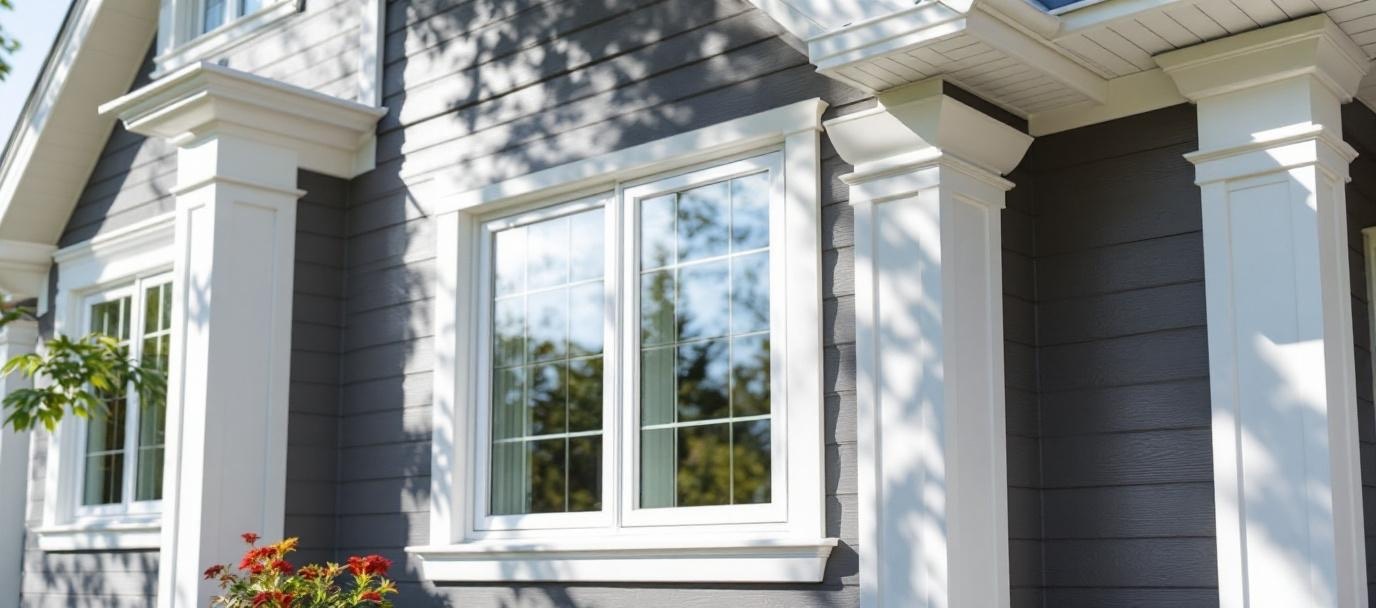
About Exterior Trim
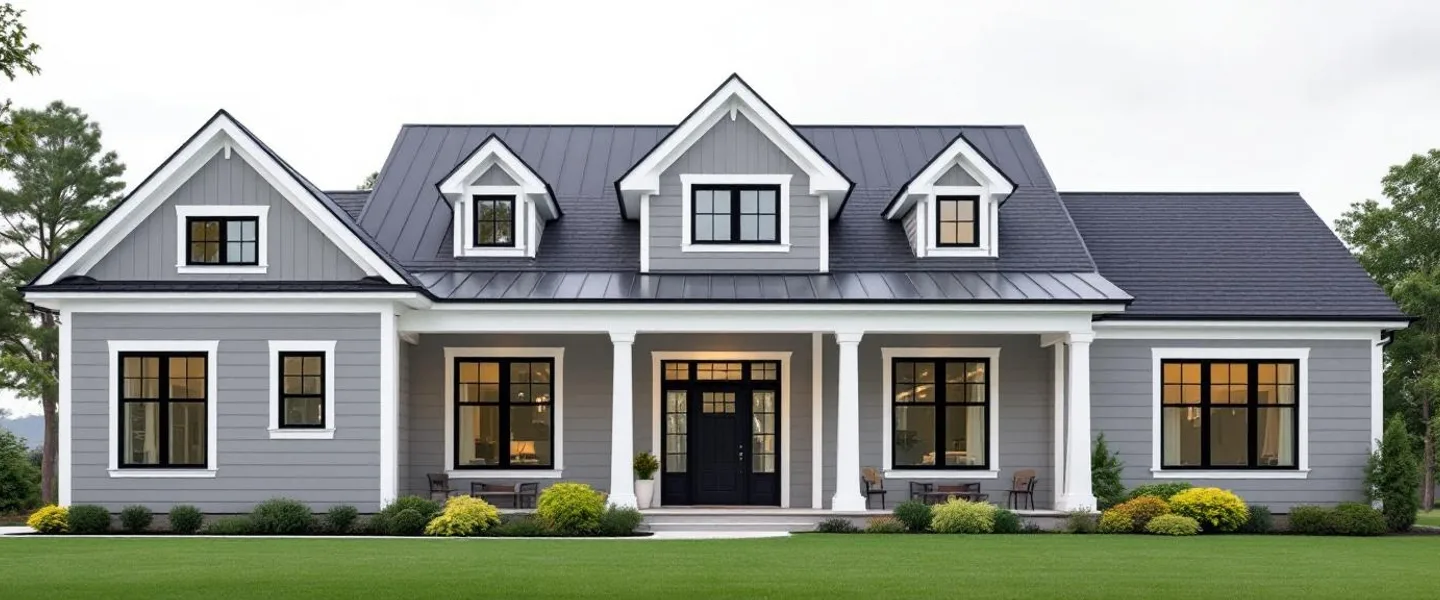
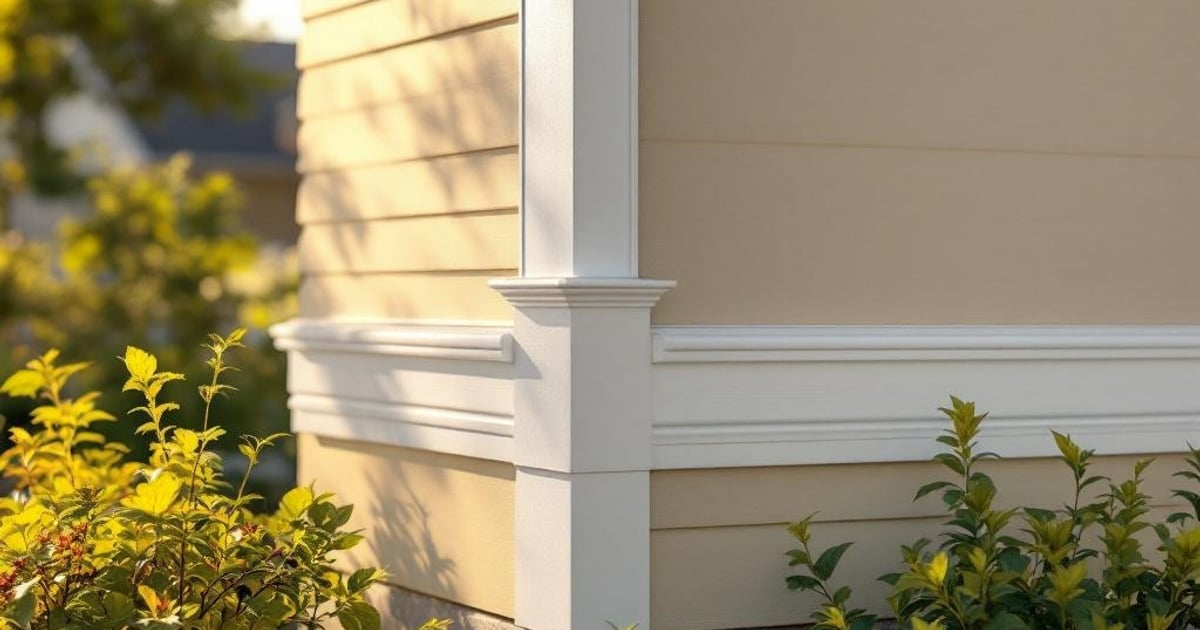
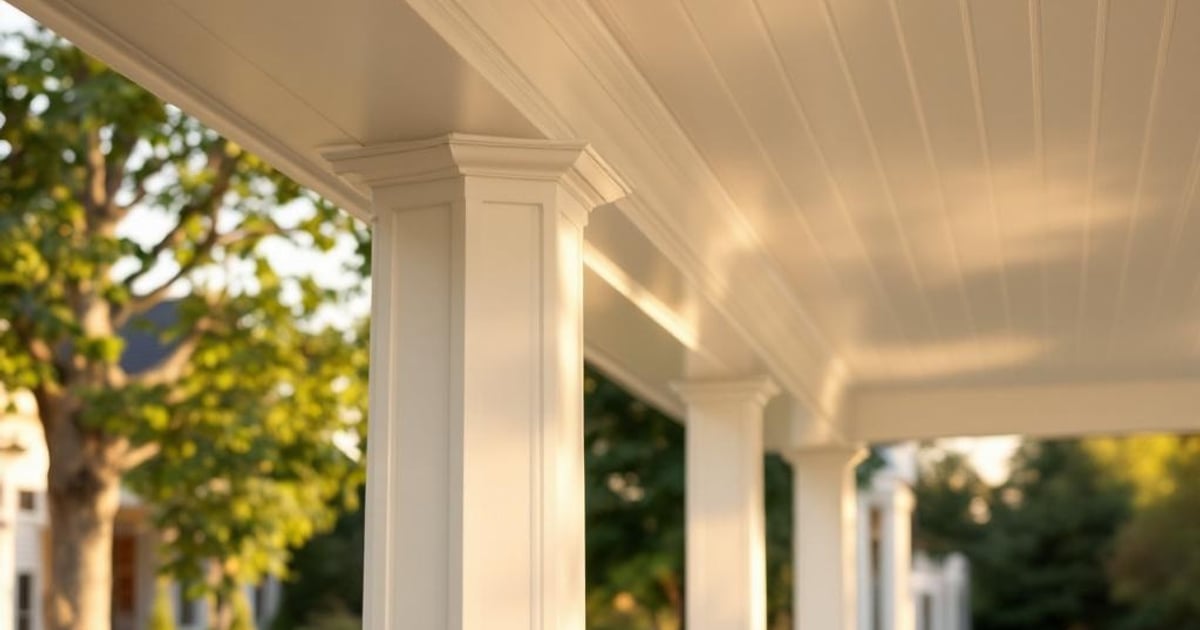
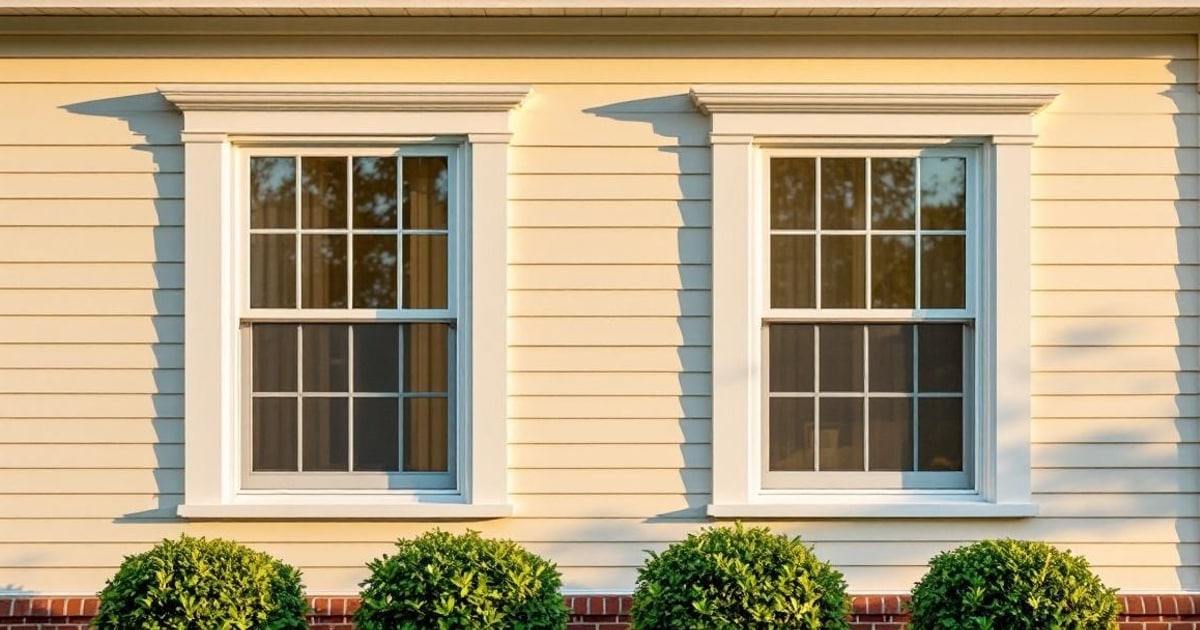
Exterior trim is what gives a building its character - framing windows and doors, capping corners, and finishing every transition in the cladding system. The difference between trim that looks right for 30 years and trim that splits, peels, and fails in ten comes down entirely to material.
For fibre cement walls we carry James Hardie's trim family: Hardie® Trim boards in 4/4 and 5/4, Hardie® Trim Batten boards for board and batten, 1 1/2 in. Hardie® Artisan® Trim, and aluminum Hardie™ Architectural Trim for Architectural Panel facades.
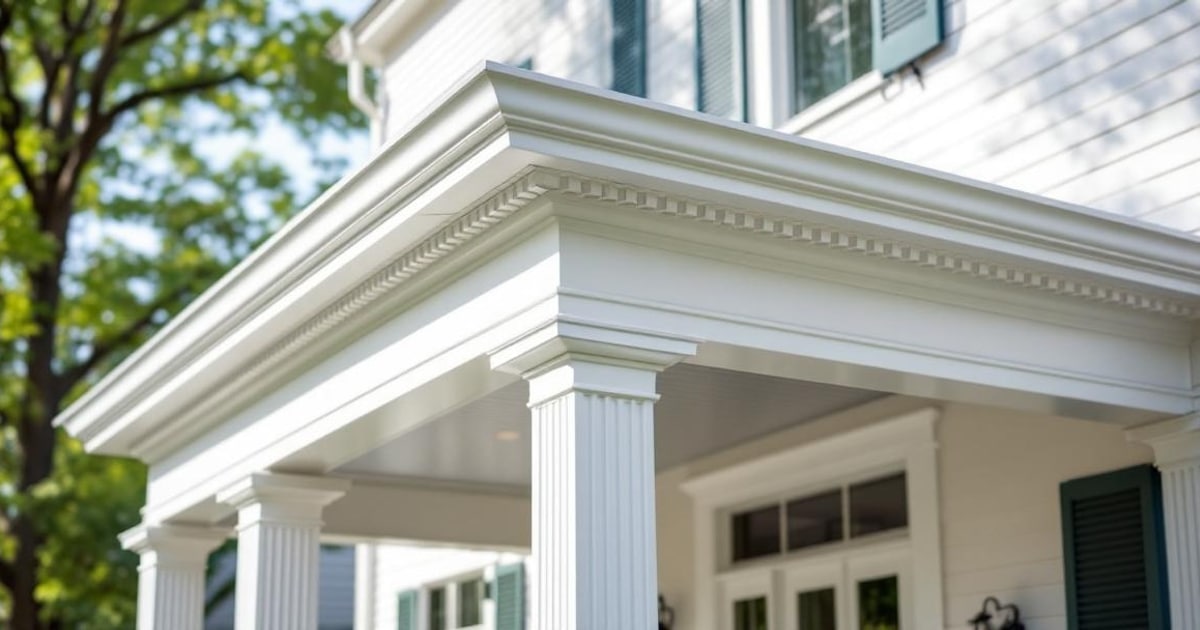
Pro Materials supplies a comprehensive exterior trim catalogue: CertainTeed Restoration Millwork® cellular PVC trim boards, mouldings, corners, brickmould, and column wraps with a 25-year limited warranty; Kaycan PVC and vinyl trim accessories; and Mitten aluminum trim coil in 13 colours matched to their siding palette. The PVC, vinyl and aluminum trim is colour coordinated with the Kaycan and Mitten siding lines, and the Hardie trim matches Hardie ColorPlus® colours, so your exterior reads as one cohesive system from the siding profile to the corner to the fascia.
We supply contractors and builders across York Region, Simcoe County and the GTA at wholesale pricing.









Exterior Trim: At a Glance
24
Products
in this category
4
Brands
Kaycan, Mitten, James Hardie & more
Up to 19
Colour Options
per product line
Quote
Pricing
request for trade pricing
Max colour range per brand
James Hardie
19
Mitten
13
Kaycan
4
Showing maximum colour count across products per brand. Actual available colours may vary by profile and current stock.
Exterior Trim Buying Guide
Key factors to evaluate when specifying exterior trim for your project.
Cellular PVC trim
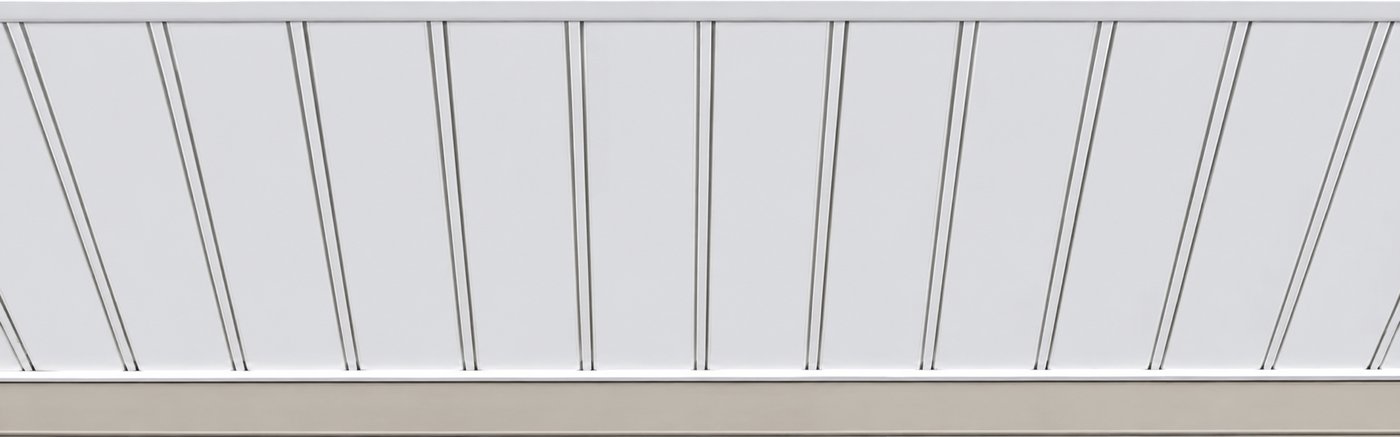
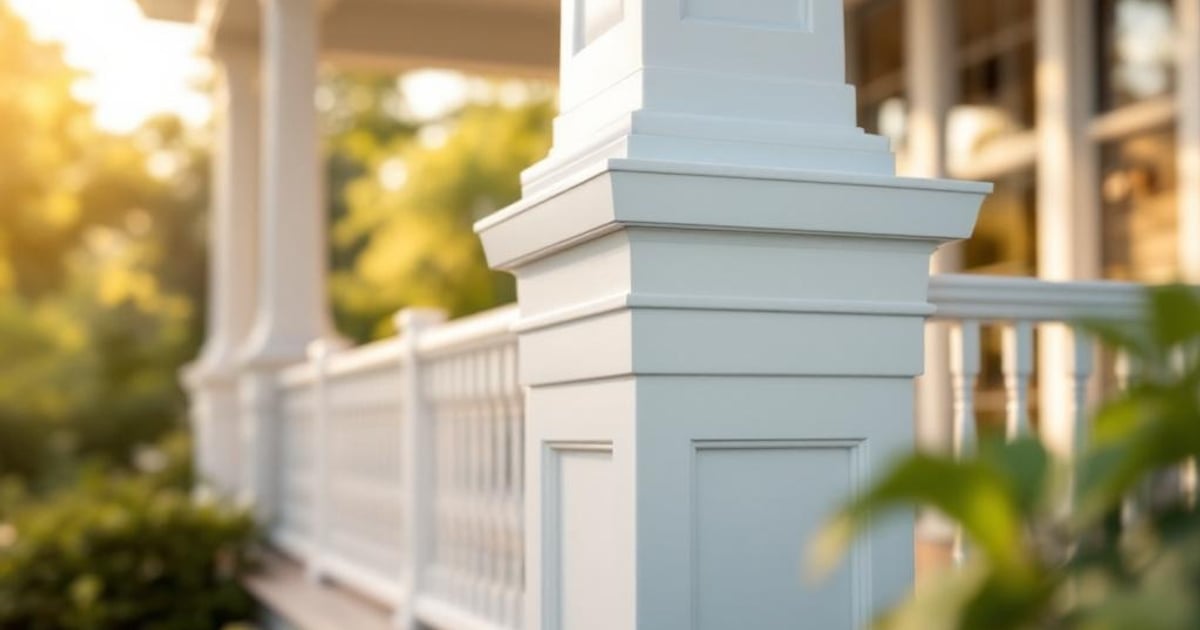
(CertainTeed Restoration Millwork®, Kaycan, Mitten) is the premier choice for boards, mouldings, brickmould, corners, and column wraps. It accepts paint like wood but never rots, never cracks from moisture cycling, and maintains clean paint adhesion indefinitely. CertainTeed Restoration Millwork uses co-extrusion technology to create a dense, smooth face with consistent cell structure throughout - no hollow core, no delamination. Available in boards (5/4, 4/4 thickness, widths from 2.75" to 11.25"), mouldings, sheets, beadboard, corners, and brickmould. The 25-year limited warranty is transferable to a subsequent owner.
Fibre cement trim
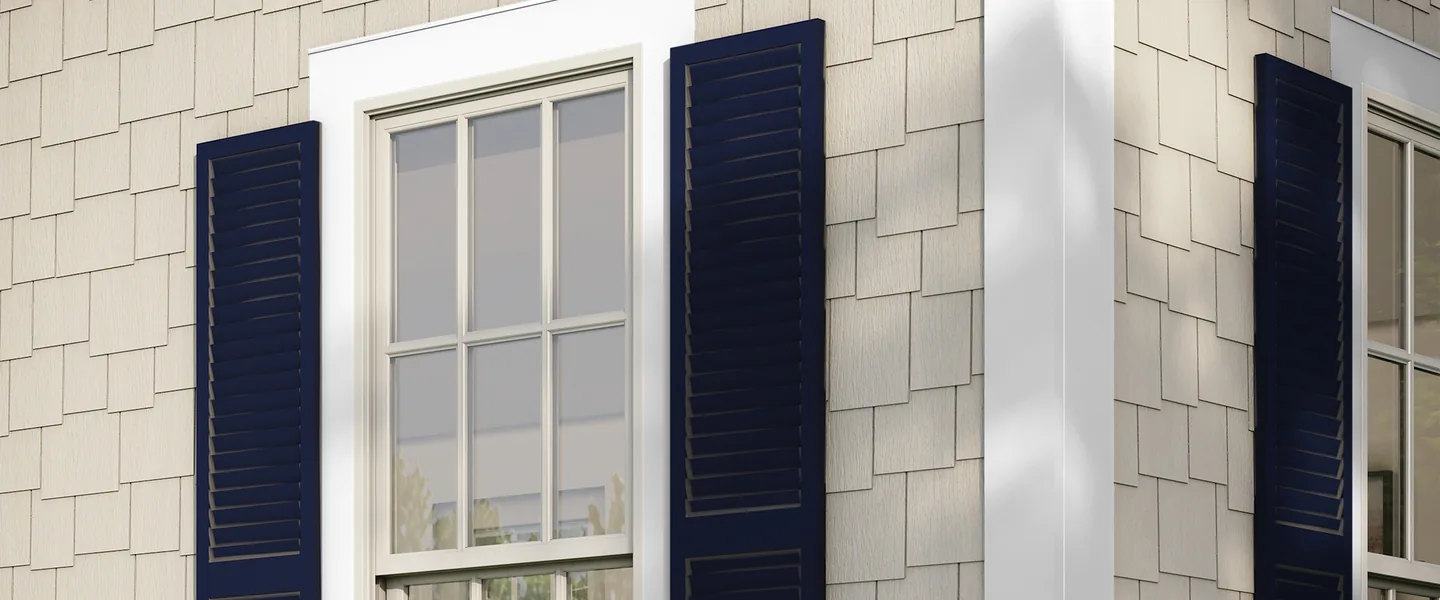
(James Hardie) is the match for Hardie siding: the same material, so it moves and weathers with the wall, and Hardie® Trim comes in 10 ColorPlus® colours or primed, in 4/4 (3/4 in.) and 5/4 (1 in.) boards from 3 1/2 to 11 1/4 in. wide. Use 5/4 beside Hardie® Shingle, which stacks to nearly an inch at the reveal. Battens carry the full 19 ColorPlus® colours to match Hardie® Panel.
[Aluminum trim coil](/products/aluminum-trim-coil)
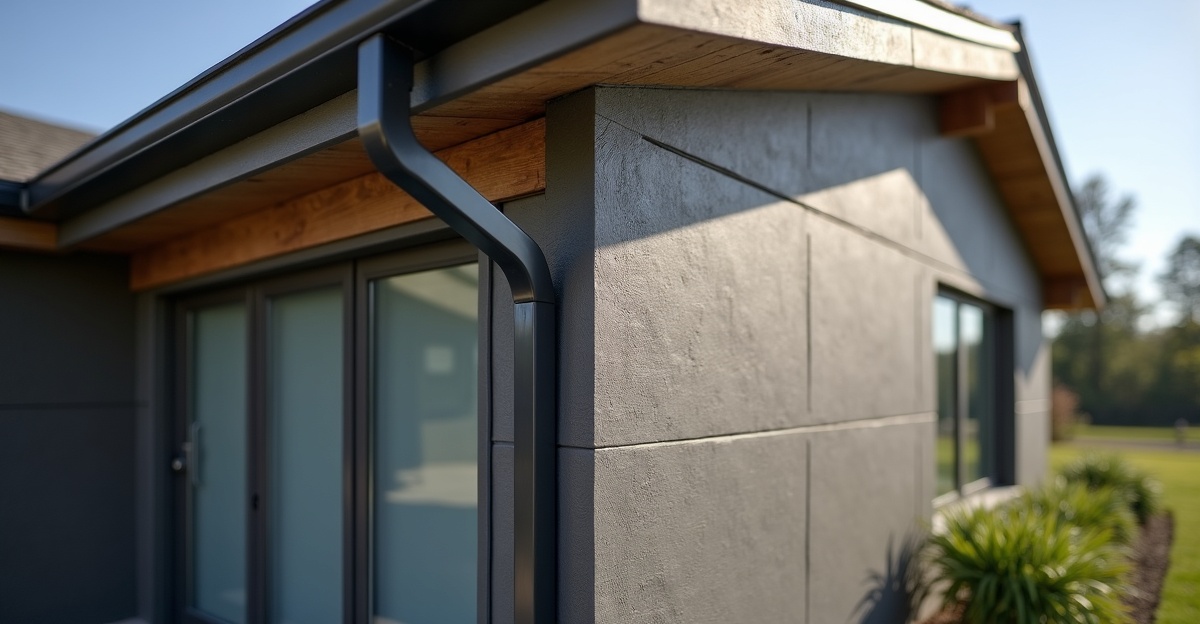
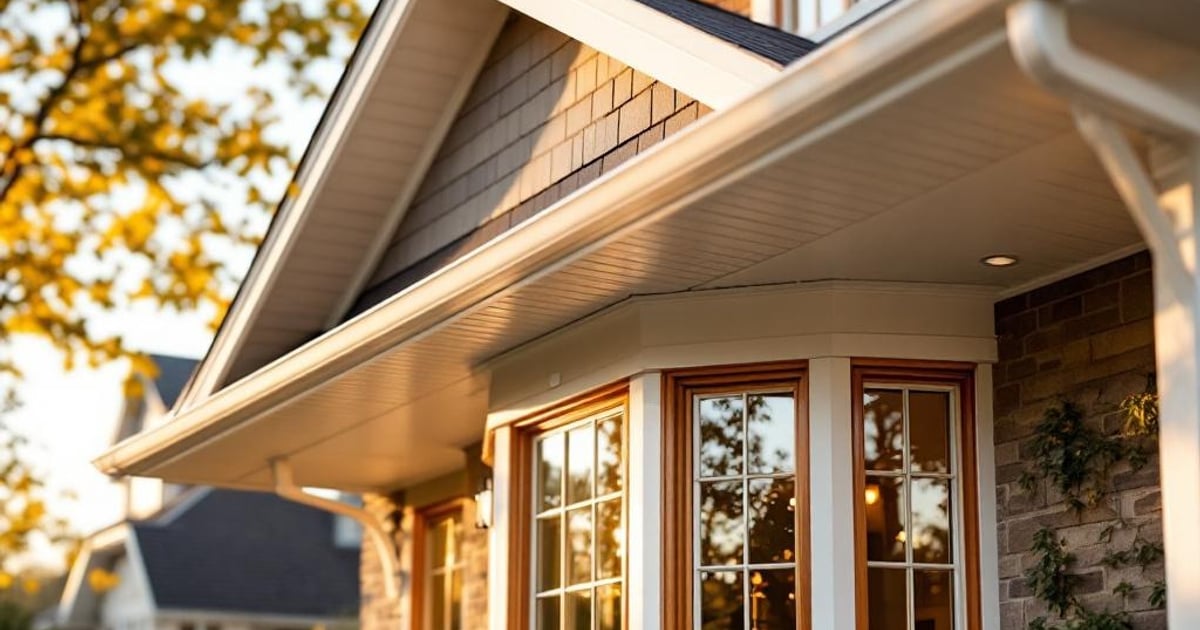
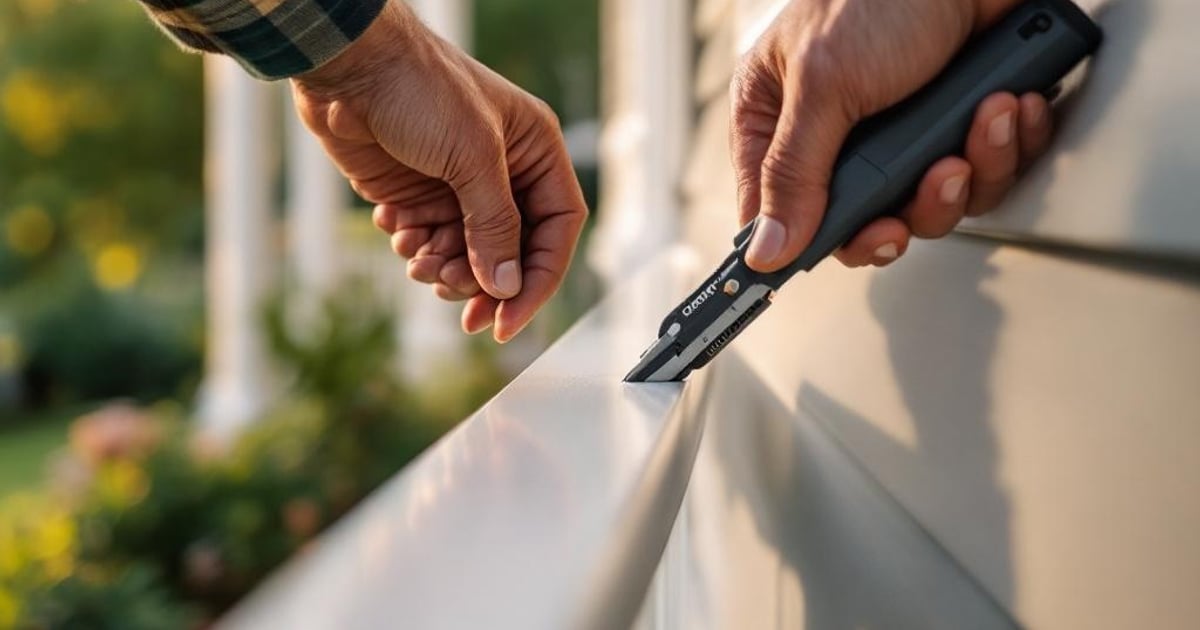
is the standard material for field-fabricated fascia wraps, window trim wraps, soffit trim, and custom profile bends. Mitten aluminum coil is available in pre-painted finishes matched to their vinyl siding palette - no field painting required. Available in 24" and 50" wide coils (0.019" and 0.024" gauge) for a range of brake-formed profile thicknesses. Essential for every professional siding installation.
Matching trim to siding
PVC trim boards should coordinate with vinyl siding - white and almond trim is universally compatible; accent colours add contrast. Aluminum coil should be matched to the siding line's colour chart for a tight colour match. Both Mitten and Kaycan offer colour-coordinated trim and siding catalogues.
Installation
PVC trim boards should be glued at joints with PVC cement for a nearly seamless appearance. Leave a 3/16" expansion gap per 18' of run. Paint cut ends immediately on-site. Aluminum coil work requires a quality hand brake - rent or own a 10' minimum for residential work.
Frequently Asked Questions
What is cellular PVC trim and how is it different from regular vinyl trim?
Cellular PVC trim (like CertainTeed Restoration Millwork®) is a rigid, foam-core PVC product that looks, machines, and installs like wood but without any of wood's liabilities. Unlike extruded vinyl trim (which is hollow or semi-hollow), cellular PVC has a dense foam core that makes it dimensionally stable, nailable, routeable, and paintable. It holds a crisp paint edge and never rots.
Can PVC trim boards be painted?
Yes. Cellular PVC trim accepts standard exterior acrylic paints and can be painted any colour. For light colours, no primer is required on Restoration Millwork products. For dark colours (LRV below 55), use a quality exterior latex and check the manufacturer's dark-colour guidelines - dark colours can cause thermal expansion in PVC that exceeds the fastener capacity.
What aluminum coil gauge should I specify?
0.019" aluminum coil is standard residential gauge, used for fascia wraps, window trim caps, and light-duty soffit trim. 0.024" is heavy-duty residential/commercial and provides more rigidity for wide fascia applications and soffits in exposed locations. Specify 0.019" for most residential work; step up to 0.024" for wide profiles or high-exposure locations.