
Aluminum and Glass Railing Cost in Ontario (2026): How the Per Foot Number Is Really Built
Key points
- $85 to $130 per linear foot installed for aluminum picket guard, $120 to $400 for glass
- Post count, not footage, moves the price: the same 38 feet needs 8 posts straight or 12 in four short runs
- Engineering, core drilling and old rail removal can add 40 percent on a concrete balcony
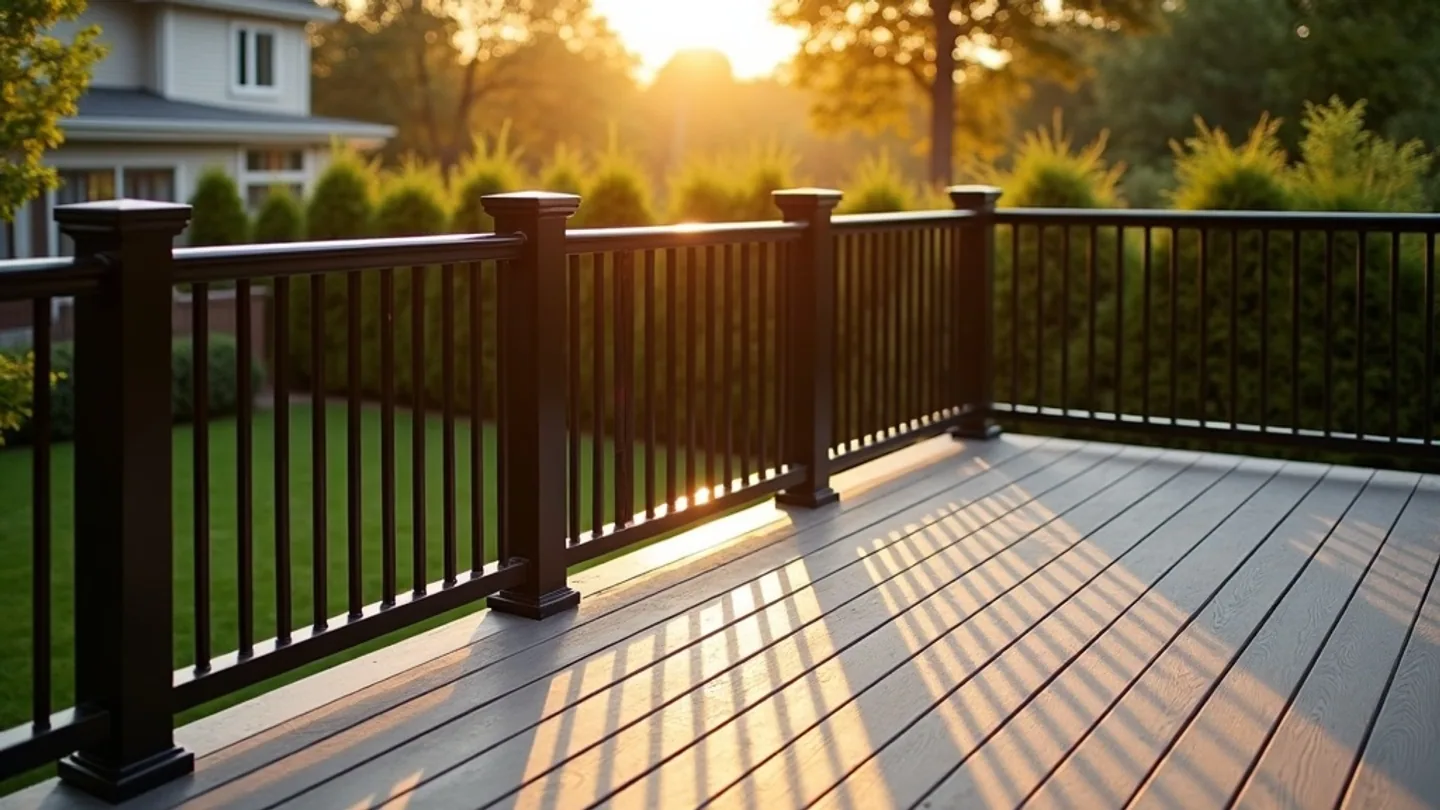
Ask three Ontario installers to price the same 38 foot L shaped deck and the quotes will land thousands of dollars apart, all for black aluminum guard that does the same job. That is not sloppiness. Aluminum railing cost in Ontario gets published as a per linear foot number because that is the only figure that fits in a headline, but almost none of the money actually behaves that way. Posts, corners, stair returns, anchors and stamped drawings are fixed costs that arrive in lumps, and they land on a 12 foot porch just as hard as on a 60 foot wraparound.
Guttering is genuinely a per foot trade, which is why our eavestrough guide for Ontario contractors can price a job off a tape measure. Railings are not. This guide takes the per foot numbers that Ontario installers actually publish in 2026, then shows you the four things that move a quote off them, so you can read a railing estimate the way an estimator wrote it.
How Much Does Aluminum Railing Cost in Ontario in 2026?
Installed aluminum railing cost in Ontario runs $85 to $130 per linear foot in 2026 for a powder coated picket guard on an accessible straight run. Framed glass runs $120 to $200, semi frameless $165 to $250, and full frameless systems reach $400 per foot on base shoe channel.
Those bands come from Ontario installers quoting in 2026, and they all carry the same fine print: they assume ground level access and straight runs of roughly 25 feet or more. Every published range gets quoted at its top end on small, awkward or elevated jobs.
The jump from picket to glass is not a glass jump. Tempered glass is a commodity. What you are paying for is thickness and hardware: a framed system carries the load in the aluminum frame and can use a 5 mm or 6 mm panel, while a frameless system makes the glass structural, which means 12 mm panels and stainless spigots or a continuous base shoe machined to hold them.
Why Does the Per Foot Number Fall Apart on a Real Deck?
A guard is not a ribbon of material. It is a series of structural posts with infill hung between them, and the post is where the money is. Imperial aluminum systems allow a maximum 72 inch span between posts. Alpa vinyl baluster sections allow 8 feet. Every corner, every stair transition and every run that ends at a wall needs its own post and its own hardware, regardless of how many feet of guard you bought.
Take the same 38 linear feet of aluminum guard and lay it out four ways.
| Layout of the same 38 linear feet | Runs | Sections at 72 in max | Posts | Posts per 10 ft |
|---|---|---|---|---|
| One straight run | 1 | 7 | 8 | 2.1 |
| L shape, 20 ft plus 18 ft | 2 | 7 | 8 | 2.1 |
| U shape, 14 ft plus 10 ft plus 14 ft | 3 | 8 | 9 | 2.4 |
| Four separate runs around a hot tub | 4 | 8 | 12 | 3.2 |
Identical footage, and the post count swings 50 percent. That single column explains most of the gap between two honest aluminum railing cost quotes on the same deck. It is also before anyone cuts a raked stair section or drills a concrete slab. It is also why the vinyl spacing figure matters: at 8 feet between posts, Alpa vinyl railing covers that straight 38 foot run with 6 posts instead of 8, which is a real saving on labour even before you compare material.
Once the posts are counted, the rest of the bill assembles itself out of items that have nothing to do with footage.
- Guard footage
- Stair panel uplift
- Removal and prep
- Engineering and anchors
Modelled from published 2026 Ontario installer figures, not a quote. Guard footage at $107 per linear foot, the midpoint of the $85 to $130 installed range. Stair panels at plus 30 percent on stair footage, removal and disposal at $8.50 per linear foot, core drilling at $110 per anchor location across 6 post locations, stamped engineering at $1,200.
Read the three totals as cost per foot and the point lands hard: $107 on the new ground level deck, $123 on the raised L shape, and $187 on the concrete balcony. Same system, same colour, same warranty. The balcony pays 75 percent more per foot because engineering and cored anchors are fixed costs spread over only 26 feet. Small jobs cannot dilute their overhead. This is the same labour share effect we traced through the stone veneer cost breakdown for Ontario, where labour swings from a quarter of a polymer install to well over half of a natural stone one.
The same fixed cost dilution runs through cladding, which the Ontario siding cost pillar takes apart on a full house re-clad.
What Does the Ontario Building Code Require of a Deck Guard?
A guard is required in Ontario wherever a walking surface sits more than 600 mm above the ground beside it. Minimum height is 900 mm up to a 1,800 mm drop and 1,070 mm above it, openings must stop a 100 mm sphere, and the assembly must resist 0.5 kN/m horizontally.
These are the numbers that decide which system you are allowed to buy, so they belong at the front of a quote, not the back. The rules sit in Subsection 9.8.8 of Division B of the Ontario Building Code, O. Reg. 163/24.
| Requirement | Code figure | What it means on site |
|---|---|---|
| Guard required | drop over 600 mm | roughly 24 inches |
| Height, drop up to 1,800 mm | 900 mm | a 36 inch system |
| Height, drop over 1,800 mm | 1,070 mm | a 42 inch system |
| Openings in the guard | no 100 mm sphere passes | clear gaps under 4 inches |
| Stair tread triangle | no 150 mm sphere passes | applies at the bottom rail |
| Climbability zone | 140 mm to 900 mm | horizontal rails draw scrutiny |
| House guard loads | 0.5 kN/m or 1.0 kN point, 1.5 kN/m vertical | Table 9.8.8.2 |
Note the arithmetic on height: 900 mm is 35.4 inches, which is why 36 inch and 42 inch are the two heights that matter in this province and why measuring to the top of the finished guard, not the top of the post, is the check that catches problems at inspection.
The load column is the one contractors underestimate. A guard has to take 0.5 kN per metre pushed sideways along the top, which is roughly a 34 pound per foot shove, plus a 1.0 kN concentrated load at any point. That load path runs through the post and into the deck frame, so a railing is only as strong as its blocking. Imperial aluminum railings ship with stamped professional engineering drawings for Ontario, which is what a building inspector wants to see rather than a brochure. Those same load figures originate in the National Building Code of Canada, which Ontario adopts with amendments, so a system tested to NBC carries over.
Aluminum, Glass, or Vinyl: Which Railing Should You Spec?
Match the system to the site rather than to the catalogue photo. The four families we stock at our Newmarket warehouse solve genuinely different problems.
| System | Typical infill | Installed CAD per ft | Where it earns the money |
|---|---|---|---|
| Aluminum picket | 3/4 in square balusters | $85 to $130 | most residential decks and porches |
| Framed glass | 5 to 6 mm tempered in an aluminum frame | $120 to $200 | wind screening without losing the view |
| Semi frameless | 10 to 12 mm tempered on stainless brackets | $165 to $250 | clean sight lines on standard framing |
| Frameless spigot or base shoe | 12 mm tempered, structural glass | $200 to $400 | concrete balconies, pool decks, long runs |
| Vinyl railing | vinyl balusters or 6 mm tempered glass | material led, fewest posts | traditional white and clay exteriors |
Imperial's three systems cover the first four rows: the Monarch ready to assemble kit with snap in balusters, the Monarch for Glass kit using 5 mm tempered panels, and the Vision glass railing for an open look. Kits come in 46, 59 and 72 inch lengths at 32, 36 and 42 inch heights, in six colours including black, white, warm beige, clay, grey and commercial brown, and carry a 20 year materials warranty with 5 years on the paint. Alpa vinyl railing runs six profile series from the Classic through the Estate X-Series, with 6 mm tempered glass available in the Executive Glass and Modern Glass lines, on a 5 year limited warranty.
One correction we make on the phone most weeks: Alpa vinyl fencing is not a guard. It is a tested privacy and screening product, and it works beautifully as a deck screen, but it is not rated to the guard loads in Table 9.8.8.2. If it is protecting a drop, it has to be a railing system.
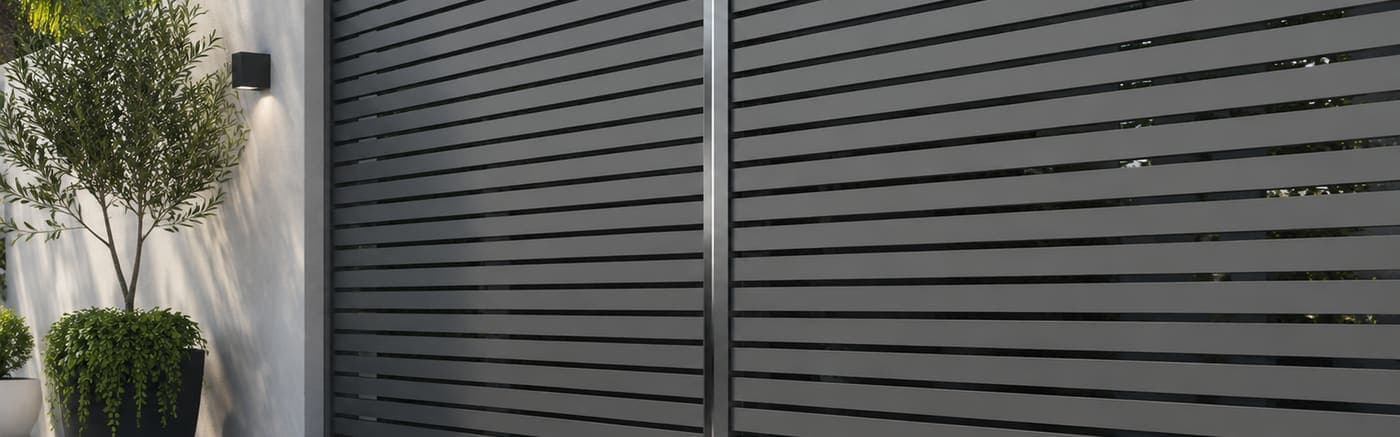
Railings, Fencing and Screening at Pro Materials
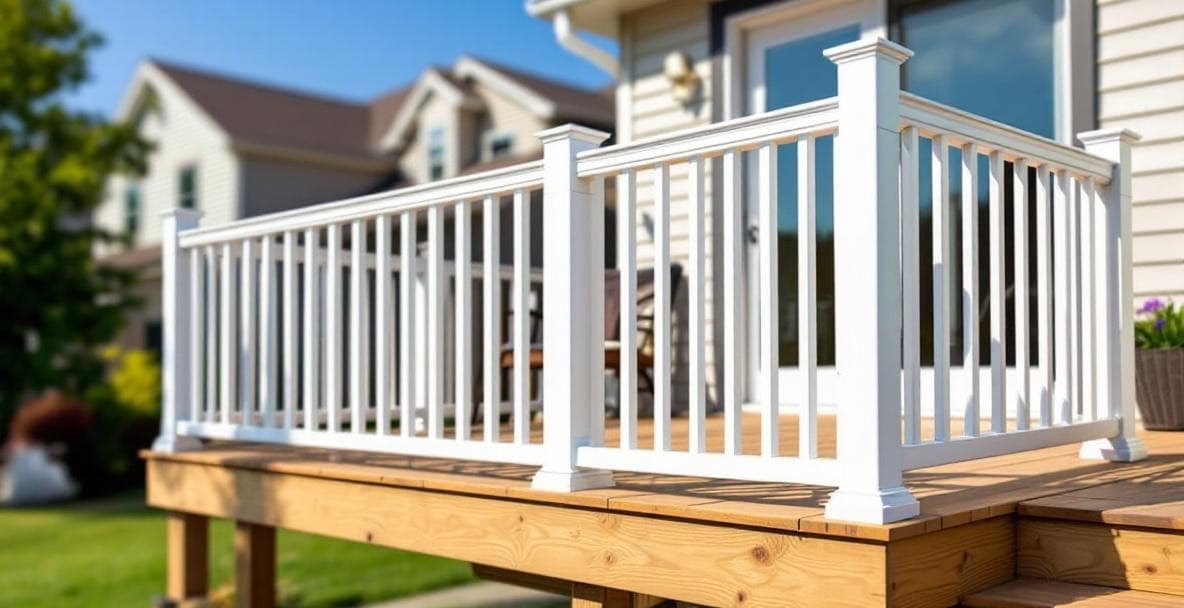
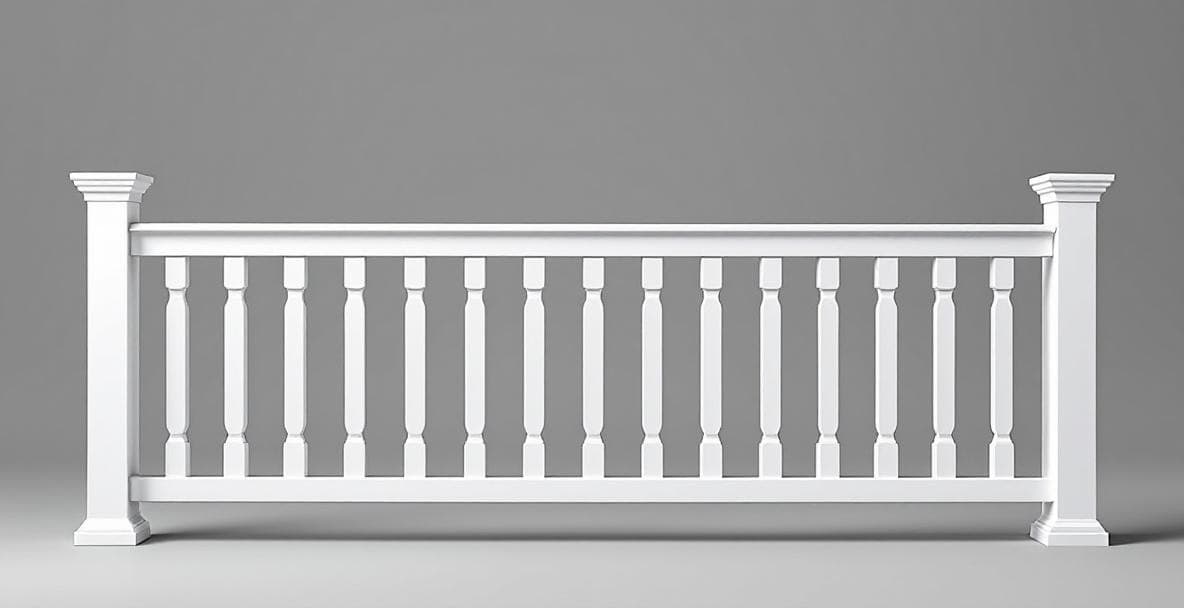
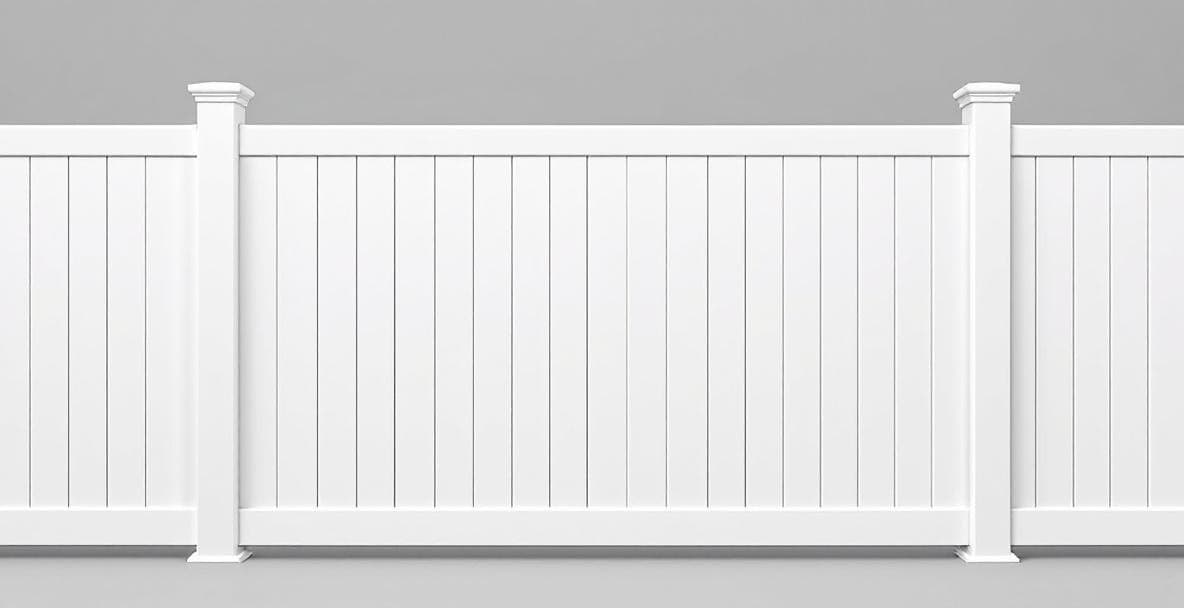
Where the Rest of the Money Goes
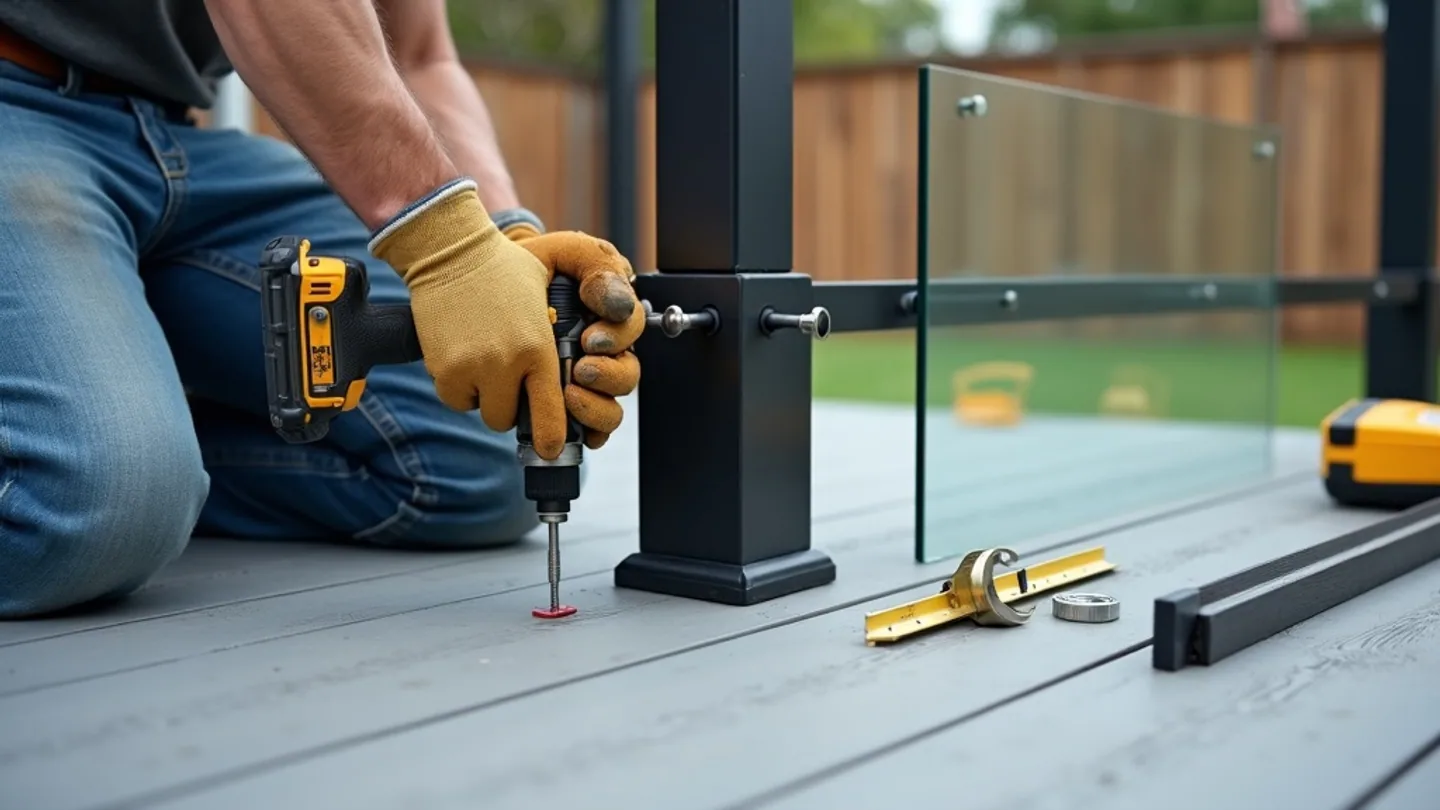 The post base plate is the line item that does not scale with footage.
Every quote carries a second tier of costs under the per foot figure, and these are the lines that push aluminum railing cost past the published band. Toronto and GTA installers price them like this in 2026:
-
Old railing removal and disposal: $5 to $12 per linear foot
-
Concrete core drilling: $75 to $150 per anchor location
-
Stamped engineering drawings: $600 to $2,500, standard on balconies and commercial guards
-
Framing reinforcement on an older wood deck: $300 to $1,500
-
Raked stair sections: 25 to 40 percent over the same footage of straight run
-
Custom powder coat or hardware finish: $10 to $25 per linear foot
-
Tempered upgraded to laminated glass: 25 to 40 percent on the glass portion
High rise balcony panel replacement sits in its own category at roughly $900 to $1,900 per panel supplied and installed, dropping sharply when a building does several at once. Contractors in York Region and the GTA tell us the single most common surprise is the third item on that list, because a homeowner reads "railing" and prices metal, while the estimator is pricing a stamped drawing set.
How to Take Off a Railing Quote in Six Steps
This is the order our counter staff work through when a contractor calls with a deck to price.
-
Measure the guard, not the deck. Run the tape along every edge that needs a guard and record each run separately. A 38 foot total split across four short runs prices very differently from one straight 38 foot run.
-
Set the height from the drop. Measure from the walking surface to the ground below. Up to 1,800 mm you need a 900 mm guard, above that you need 1,070 mm. The height decides which kit and post length you order.
-
Count posts before you count feet. Divide each run by the system maximum span, 72 inches for Imperial aluminum and 8 feet for Alpa vinyl baluster sections. Round up, add one post per run, then add a post at every corner and stair transition.
-
Price the stairs separately. Raked stair sections are cut and drilled to the stringer angle. Ontario installers add 25 to 40 percent over the same footage of straight deck run, so keep stair footage on its own line.
-
Check what you are anchoring into. Wood framing takes structural screws. Concrete takes cored anchors, which Toronto installers price at $75 to $150 per location. Older decks sometimes need blocking or a rim joist upgrade at $300 to $1,500.
-
Add removal, engineering and finish. Tearing out and disposing of the old guard runs $5 to $12 per linear foot. Stamped drawings on a balcony or commercial guard run $600 to $2,500. Custom powder coat colours add $10 to $25 per linear foot.
Run those six lines and the quote stops being a mystery. It also tells you quickly whether a glass upgrade is affordable on that specific deck, because on a short run with heavy fixed costs the infill choice barely moves the total.
What Do Ontario Winters Do to a Railing?
Aluminum is the right default in this climate for the same reason it wins on roofline work. It does not rot, rust, warp or need repainting, and the powder coat finish is the same chemistry that holds up on the metal cladding covered in our guide to metal siding in Canada. Imperial backs the paint for 5 years and the material for 20.
Three winter specifics are worth building into the spec. Freeze thaw cycles work on the anchor, not the rail, so a post fastened into wet, unblocked rim joist will loosen long before the aluminum shows anything. Road and walkway salt attacks fasteners rather than powder coat, which is why stainless hardware belongs on any guard near a driveway or front steps. And snow load matters on glass: a solid glass panel catches drifting snow the way a fence does, while a picket guard lets it blow through, so glass sections on an exposed north or west elevation get more load than the sight lines suggest.
Aluminum handles a Canadian temperature swing from 35 degrees down to minus 30 by moving, roughly 1/8 inch over a 6 foot section across that range, which is why the kits are built with the tolerance already in them and why site fabricated railings crack their finish and factory kits do not.
Where Can You Buy Aluminum and Glass Railings in Ontario?
At Pro Materials we stock Imperial aluminum railings, Alpa vinyl railings and fencing, and WPC louver screening in the railings and fencing catalogue at our Newmarket warehouse, and we ship across York Region, Simcoe County and the wider GTA. The aluminum railing cost we quote is the supply half of every number in this article, and we break out posts, sections, stair kits and hardware as separate lines so a builder in Aurora or Bradford can drop them straight into an estimate. For the labour half, our installation partner Sherak Ltd. handles exterior installation across the GTA and York Region.
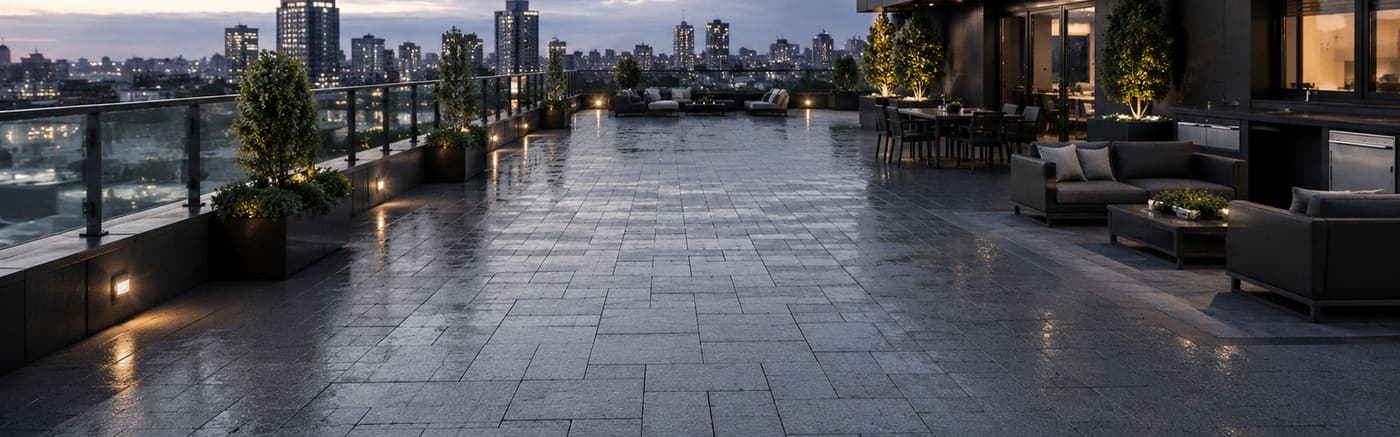
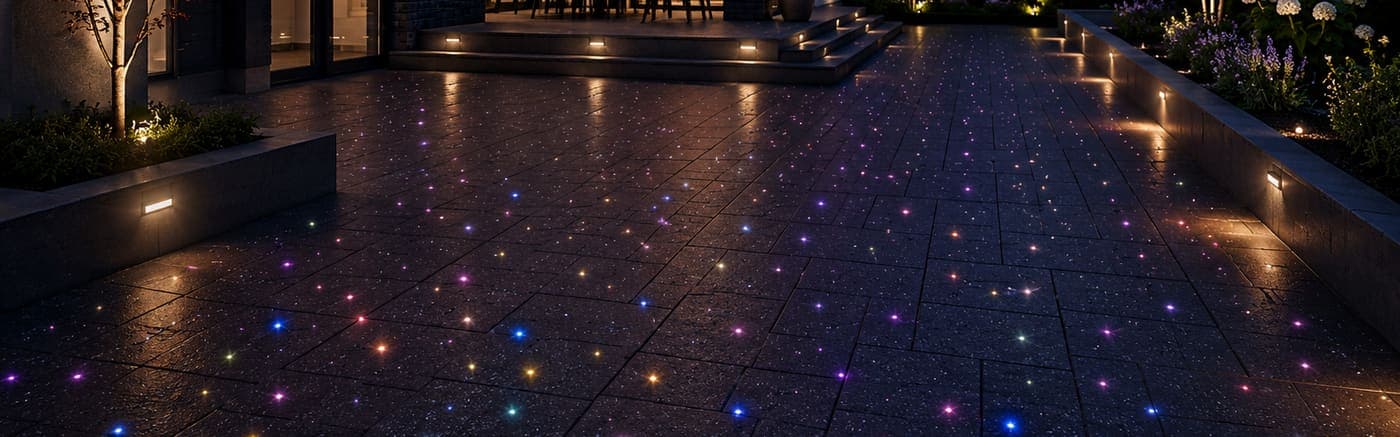
Bring us the run lengths and the drop height and we will do the post count with you. If the deck is part of a larger exterior job, the same order can carry the cladding: our complete guide to vinyl siding in Ontario covers how the wall goes together, and the deck surface itself can come from the same SmartPave walk on paver line. Full product detail sits on the Mitten Building Products site, and the brands we carry are listed on our Mitten brand page.
NEWMARKET SHOWROOM Unit 5, 1235 Journey's End Cir, Newmarket, ON L3Y 8T7
Phone: +1 (905) 836-7272 Email: info@promaterials.ca
Send the measurements through our request a quote form and we will come back with a line by line takeoff, or check the areas we deliver to before you book the crew.
Priya Nair
Building Materials Buyer & Pricing Analyst
Priya manages purchasing and pricing at Pro Materials. She tracks material cost fluctuations across Canadian suppliers and helps contractors understand volume pricing, lead times, and the real cost breakdown of exterior systems.
Share this article