
Faux Stone Wall Panels vs Real Stone: The Full Comparison for Ontario Contractors
Key points
- Polymer panels weigh 1 to 4 lbs per sq ft vs 12 to 18 lbs for natural stone: that difference eliminates footing concerns and structural review on most re-clad jobs
- No mortar, no lath, no scratch coat: polymer faux stone installs in half the time of natural stone with a standard crew
- Installed cost in Ontario: $9 to $18 CAD per sq ft for polymer panels vs $45 to $75 CAD per sq ft for natural stone
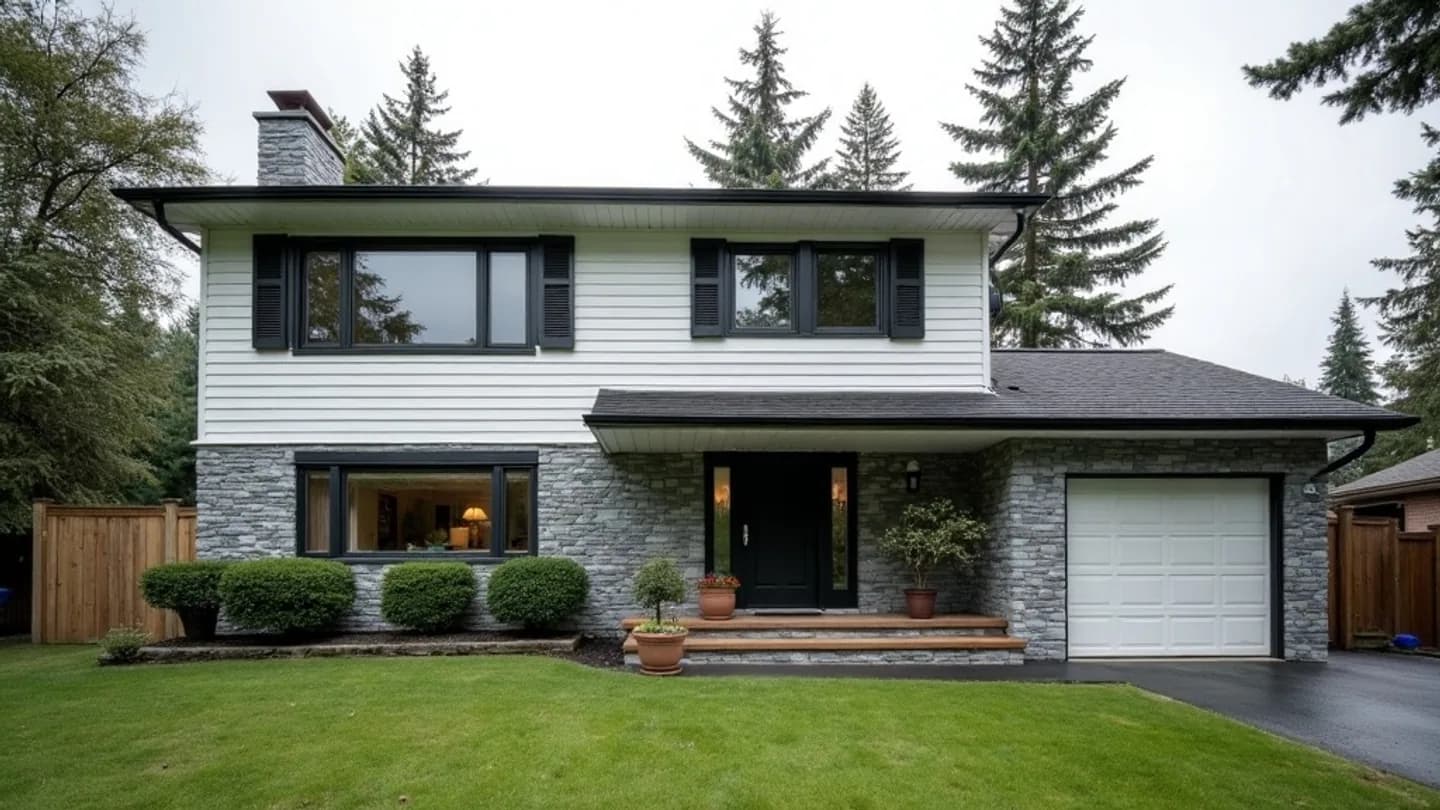
On most re-cladding jobs in Ontario, the push for stone comes from the homeowner before the contractor ever opens a catalogue. They want the look of fieldstone on the front entryway, stacked ledge on the foundation band, or a full-wrap accent on the garage face. What they often don't know is that real quarried stone and faux stone wall panels are completely different products: different weights, different installation systems, different failure modes in Ontario's climate, and costs that can differ by $40 CAD per square foot or more. The spec decision matters from the first call.
Faux stone wall panels from manufacturers like Novik and GenStone replicate natural stone in moulded form, at a fraction of the weight and without mortar. For contractors who want the full picture on polymer exterior cladding decisions, our cedar shake siding guide applies the same polymer vs real material analysis to shake and shingle profiles. This guide covers stone cladding specifically: what the material categories are, where each belongs, and how they compare on every dimension that matters for Ontario jobs.
What Are Faux Stone Wall Panels?
The term covers a range of engineered products designed to replicate the look of natural stone without the weight, the mortar, or the structural requirements. Three distinct product categories exist on the market, and knowing the differences prevents ordering the wrong material for a given application.
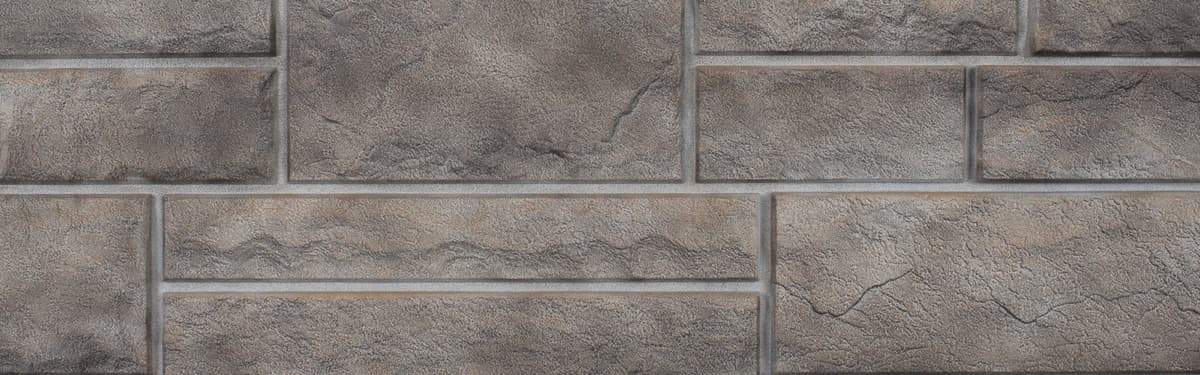
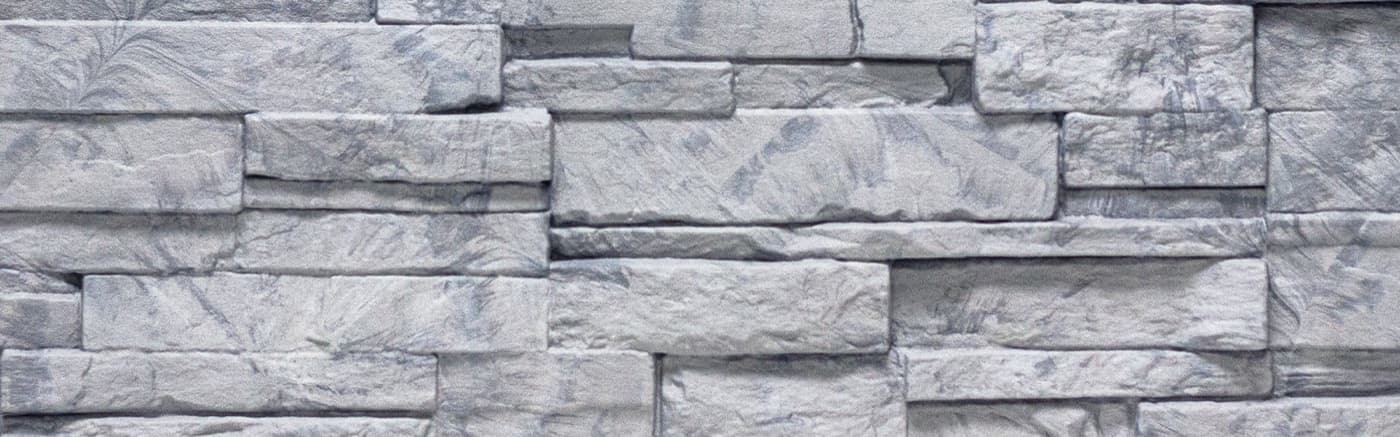
Polymer faux stone panels are injection-moulded from high-density polymer compounds, the same material technology used in premium vinyl siding. Novik's NovikStone line is the clearest example: each panel is moulded with precise stone texture, grout line depth, and colour variation, then mechanically fastened to the wall. No mortar, no lath, no scratch coat. A contractor in Bradford recently used NovikStone SK Stacked Stone across the full lower band of a new custom build, completing the installation in a single day with a two-person crew. The same square footage in natural stone would have taken a mason and assistant two to three days.
Polymer-composite panels, like GenStone, use a composite construction with a moulded stone-texture exterior bonded to a structural backing. These panels bridge the gap between pure polymer and natural stone in terms of visual depth and surface variation, while staying well under the weight of any masonry product. Installation still uses mechanical fasteners, no mortar required.
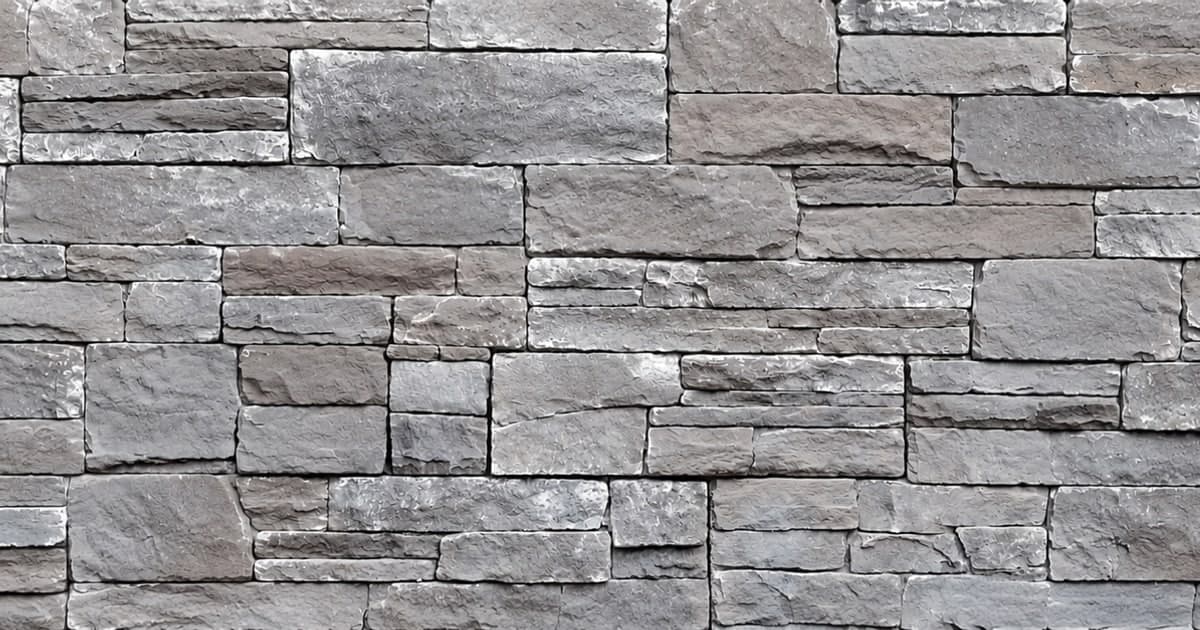
Manufactured stone veneer occupies a different category: concrete composite panels or units, typically 10 to 15 lbs per square foot, that require metal lath, a mortar scratch coat, and either mortar-set installation or an interlocking panel system. Versetta Stone, carried at Pro Materials under both the Kaycan and Novik lines, uses an interlocking panel system that eliminates traditional grouting between panels while still requiring a properly prepared substrate.
For how panel stone prices against vinyl, steel, engineered wood and fibre cement on the same wall, see the siding cost comparison for Ontario.
Browse the full stone veneer and cladding range for every profile and colour we carry.
Stone Veneer & Faux Stone Panels at Pro Materials
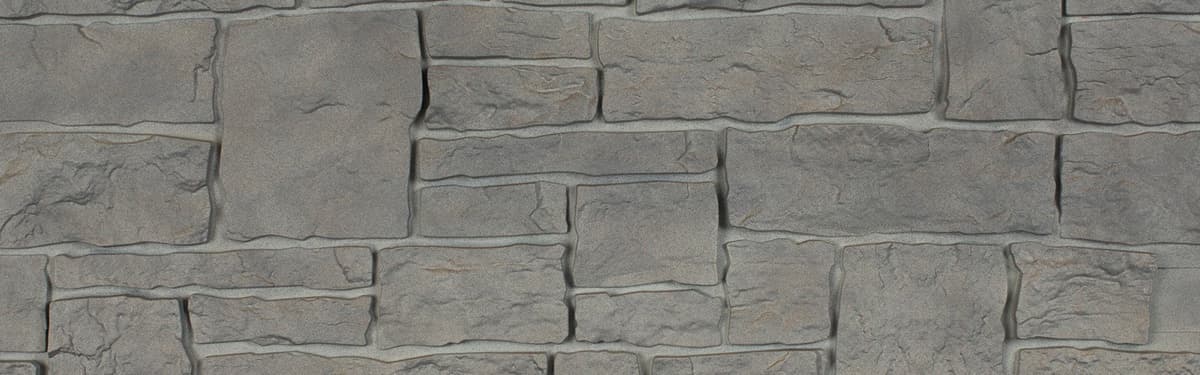
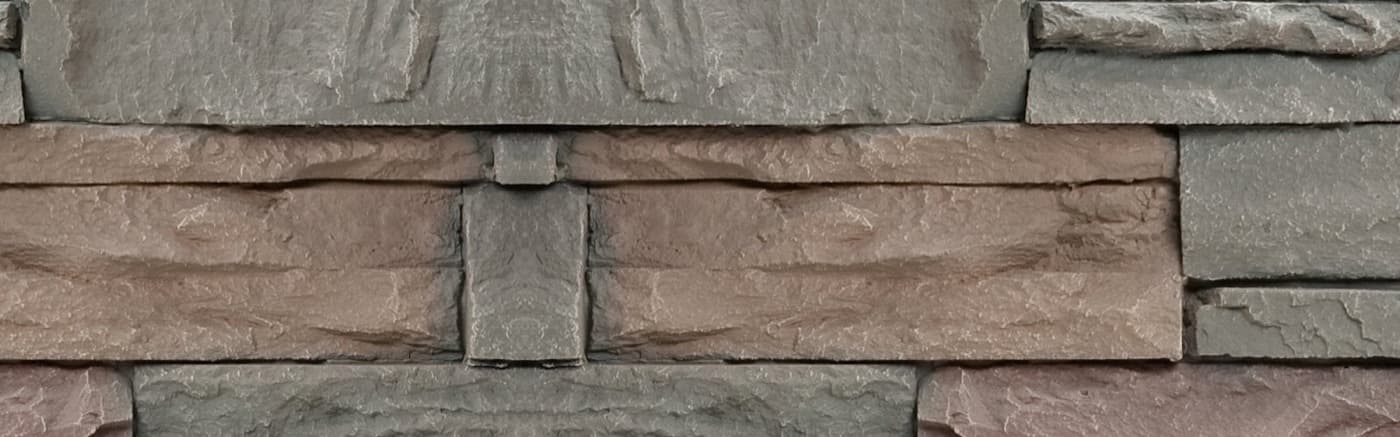
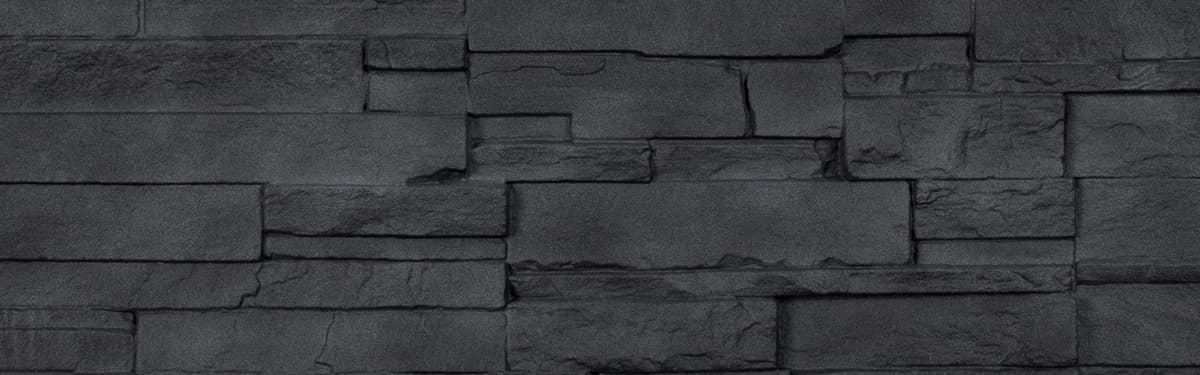
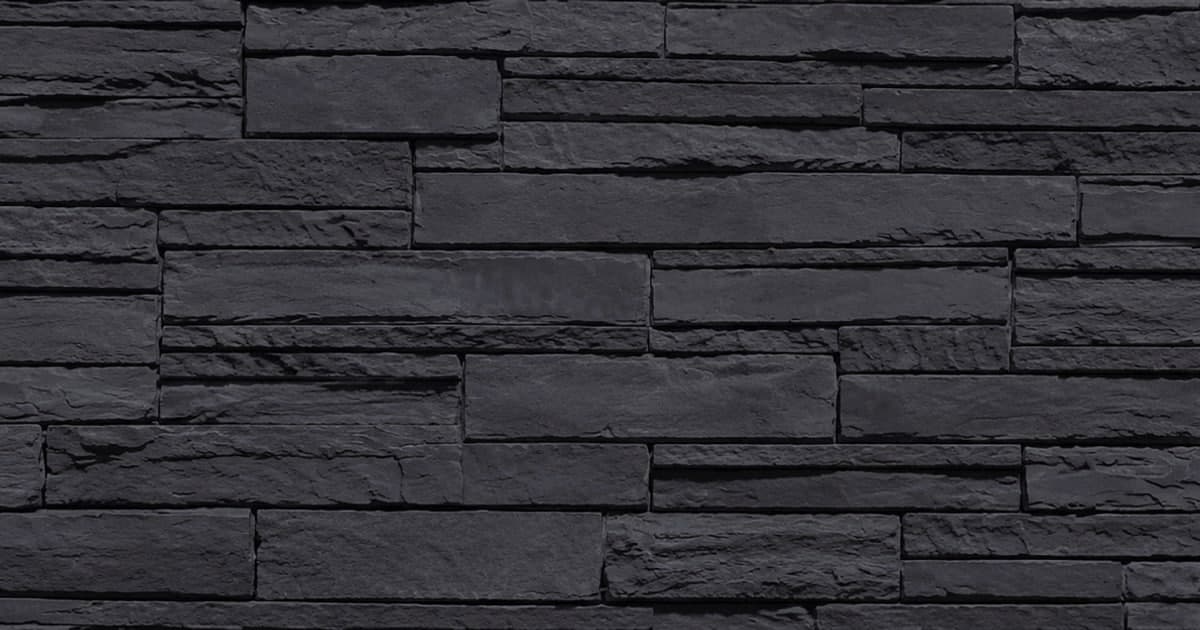
Faux Stone Wall Panels vs Real Stone: Which Should You Use?
| Polymer Faux Stone Panels | Manufactured Stone Veneer | Natural Quarried Stone | |
|---|---|---|---|
| Weight per sq ft | 1 to 4 lbs | 10 to 15 lbs | 12 to 18 lbs |
| Mortar required? | No | Yes | Yes |
| Metal lath required? | No | Yes | Yes |
| Over existing cladding? | Yes, flat substrate | No | No |
| Freeze-thaw resistance | Excellent | Good | Moderate |
| Typical warranty | 25 to 50 yr limited | 15 to 30 yr limited | None standard |
| Installed cost (Ontario) | $9 to $18 CAD/sq ft | $18 to $36 CAD/sq ft | $45 to $75 CAD/sq ft |
| Structural review? | Rarely | Sometimes | Almost always |
Two numbers in this table drive most spec decisions: weight and cost. At 1 to 4 lbs per square foot, polymer panels are light enough to go on a standard stud wall with no structural review and no footing concern. Natural stone at 12 to 18 lbs per square foot requires a structural engineer's sign-off on most residential projects, and any wall section that wasn't designed for masonry dead load needs assessment before the first stone goes up.
The cost gap is equally direct. A 500 sq ft stone accent on an Ontario home costs $4,500 to $9,000 CAD in polymer panels installed, or $22,500 to $37,500 in natural stone. On a project where the client wants stone character without the masonry budget, the polymer option is not a compromise: Novik and GenStone profiles hold their colour and texture for decades in Ontario conditions, and the visual difference from the street is negligible on most profiles.
Where Ontario Contractors Are Using Faux Stone Panels
The most common application we see in York Region is a combination accent: polymer stone on the lower band, the column bases, or the front-facing garage wall, paired with vinyl or engineered wood on the main body. A contractor in Markham recently completed a full front-facade upgrade on a 1980s subdivision home using NovikStone Artisan Cut across the first metre of the wall below the window line, with Kaycan horizontal vinyl above. The homeowner had been quoted $28,000 for a natural stone application covering the same area; the polymer option came in under $9,000 installed, with a better freeze-thaw warranty than any natural stone supplier could offer. When the main-body cladding above a stone band is board and batten siding, the vertical line above the horizontal stone course is the stacked-texture look driving the most custom-build interest across the GTA. On contemporary builds, contractors are increasingly running steel metal siding as that upper field for a crisp, maintenance-free finish over the stone base, while a warmer wood-grain field usually means LP SmartSide or CanExel engineered wood above the course.
Full-wrap faux stone installations appear most often on cottages, rural properties, and commercial facade work where consistent stone character has to read from the road. A builder in Barrie used GenStone Stacked Stone panels across the full lower storey of a new custom home on a lakefront lot, citing the product's ability to handle direct exposure to road salt spray and seasonal ice without mortar joint deterioration. The same job in natural stone would have required a structural engineer's stamp and a separate mason subcontract.
For commercial and multi-unit residential, manufactured stone veneer, specifically the Versetta Stone panel system, comes up more often because the concrete composite material reads as more substantial at close range, and some commercial specs call for ASTM C1670 compliance. A contractor working on a strip plaza renovation in Vaughan used Versetta Stone Ledgestone on the exterior columns and entry band because the building spec required a manufactured stone veneer product rather than polymer panels.
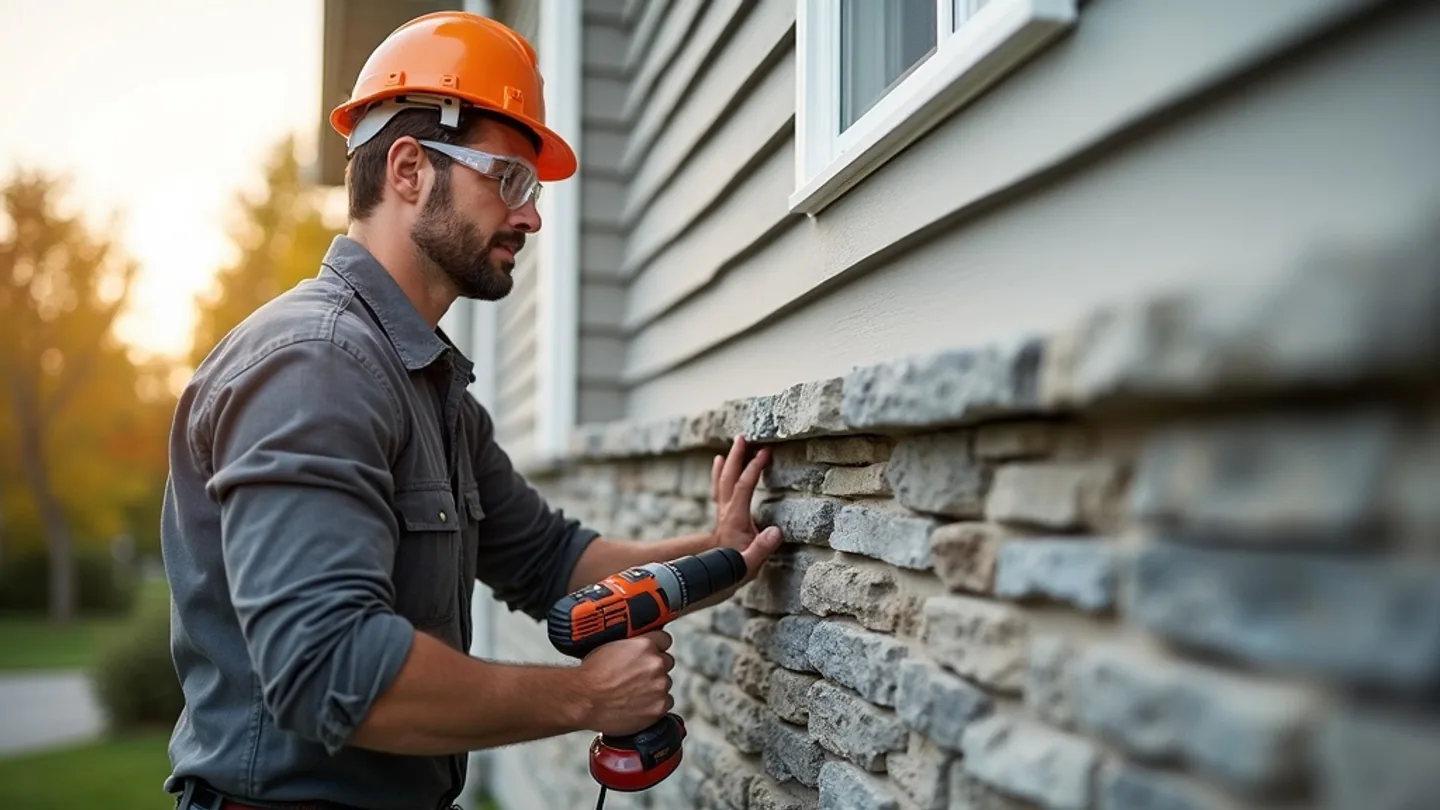 NovikStone polymer faux stone panels being installed on a York Region home. No mortar, no lath: mechanical fasteners and a plumb substrate are all the system needs.
Installation: What Changes Between Products
The installation sequence is where the difference between faux stone panels and natural stone shows up most on site.
Polymer faux stone panel installation:
- Confirm substrate is plumb, flat, dry, and structurally sound (OSB, concrete board, or existing flat cladding)
- Install a starter strip at the base course line per manufacturer spec
- Fasten panels mechanically with corrosion-resistant screws or nails per the fastening schedule
- Interlock each successive course; cut corners and window returns with a circular saw
- Apply backer rod and OBC-compliant sealant at all penetrations and transitions
A standard two-person crew installs polymer panels at roughly 200 to 300 sq ft per day, depending on the corner count and number of window returns.
Natural stone or manufactured stone veneer installation:
- Apply a code-compliant water-resistive barrier, noting that stone veneer takes two layers of barrier where a siding wall takes one
- Install metal lath fastened to studs at specified intervals
- Apply mortar scratch coat and allow to cure (typically 24 to 48 hours minimum)
- Set each stone or panel unit in mortar and allow to cure
- Grout joints between units (except interlocking panel systems like Versetta Stone)
- Clean and seal mortar joints on completion
The same two-person crew installing natural stone covers 50 to 100 sq ft per day. A 500 sq ft job is a week's work in natural stone vs one to two days in polymer panels.
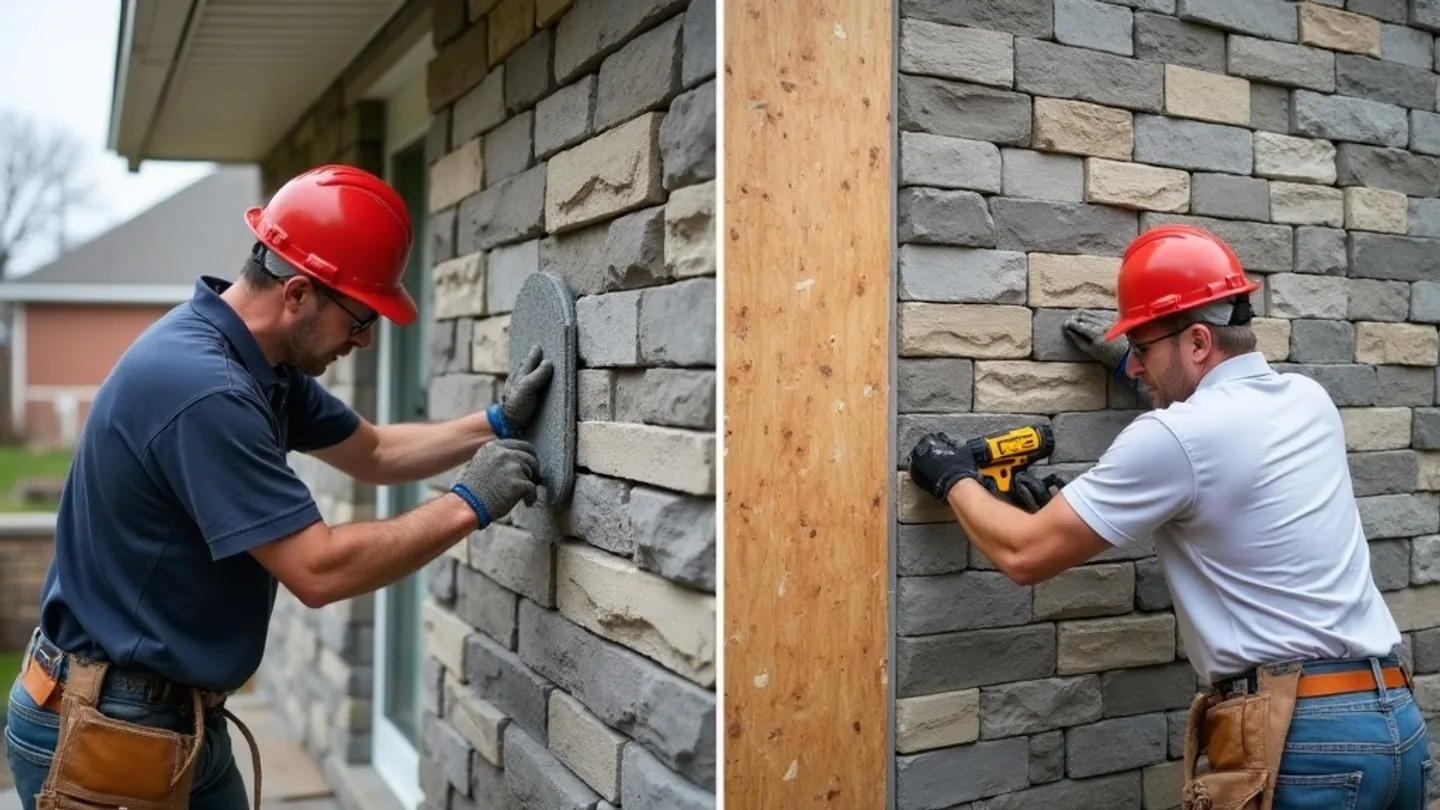 Left: natural stone set in mortar over metal lath. Right: polymer faux stone panels fastened mechanically to OSB sheathing. Same finished look, half the time, no mortar.
One installation point that applies to all stone products on Ontario exterior walls: flashing at the base of the stone assembly is not optional. Water that gets behind any cladding system needs a path out. On polymer panels that go over existing siding, confirm the drainage plane below is intact before fastening. The Canadian evaluation report behind Novik's polymer panels is conditional on furring and a 10 to 19 mm air space, which is one of several rules our Versetta Stone and Novik stone panel comparison takes straight off the manufacturers' own documents.
How Much Do Faux Stone Wall Panels Cost in Ontario?
For a full line-by-line breakdown of material, labour, and total project price by product type, see our stone veneer cost guide for Ontario contractors. The chart reflects mid-range installed pricing for residential projects in the York Region and GTA market. Natural stone spans $45 to $75 CAD per square foot, with the range driven by stone species (limestone runs lower, granite and fieldstone higher), quarry distance, and mason rates. GTA mason labour alone runs $60 to $100 per hour, and natural stone requires a mason: it is not a product a general siding crew can pick up on a weekend.
Manufactured stone veneer sits between the two at $18 to $36 CAD per square foot installed. The material cost is lower than natural stone, but the installation still requires mortar and lath, which adds labour time and skill requirements beyond what a standard siding crew brings.
Polymer panels are the only category where a siding crew can handle the full installation. At $9 to $18 CAD per square foot installed, the spread is driven primarily by profile complexity and corner count, not by mason availability or material sourcing.
How Do Faux Stone Panels Perform in Ontario's Climate?
Ontario's exterior cladding environment is defined by the freeze-thaw cycle. Environment Canada's climate normals show York Region and GTA sites crossing the 0°C threshold 50 to 70 times per year, with the most concentrated transitions in March and November. Any cladding system with mortar joints is exposed to this cycle at every joint face.
Water penetrates mortar slowly over years. Each freeze-thaw cycle expands that water slightly inside the mortar matrix. Over a decade of Ontario winters, minor cracking in natural stone mortar joints becomes moderate joint deterioration, which then creates paths for bulk water to reach the substrate. Natural stone itself survives indefinitely in cold climates: it's the mortar between stones that limits the system's service life. The same applies to mortar-set manufactured stone veneer.
Polymer faux stone panels have no mortar in the system. There is no joint to crack, no porous material to absorb water, and no mechanism for freeze-thaw to attack the panel assembly. Novik's NovikStone panels are engineered specifically for Canadian climate exposure and rated for temperature swings from below -40°C to above 40°C without delamination or colour shift. The same performance logic applies to every polymer exterior product: our cedar shake siding guide covers how polymer shake profiles outperform real cedar in Ontario freeze-thaw conditions, and the chemistry behind that advantage is identical here.
One consideration for dark-coloured polymer stone panels in south-facing Ontario applications: dark profiles absorb significantly more solar heat than light ones. Thermal expansion at panel joints is managed by the manufacturer's fastening system, but dark installations should use the lower end of the specified fastener slot to allow for full movement.
At Pro Materials, we carry Novik and GenStone stone panels rated for continuous Canadian climate exposure. We see this often from contractors in Simcoe County and north of Barrie: they need a stone product that can handle both the winter ice and the wide summer-to-winter temperature swings without calling for spring joint repairs. Polymer panels are the answer in those conditions.
Where Can You Buy Faux Stone Wall Panels in Ontario?
At Pro Materials, we stock polymer and composite stone panels from Novik and GenStone, plus manufactured stone veneer from Kaycan, at our Newmarket warehouse. Same-day availability covers most standard colours across all three lines; special orders typically arrive within three to five business days. For large re-cladding jobs or commercial projects where you need to confirm lead times and volume pricing before bidding, request a quote online or call us directly.
For contractors specifying for the first time, requesting physical samples of two or three profiles before committing pays off consistently. Stone texture profiles read differently in catalogue photography than they do on a real wall at ground level. Seeing shadow depth and colour variation in person saves the back-and-forth with homeowners on approval. Our Newmarket showroom carries installed sample panels for the main Novik and GenStone profiles.
NEWMARKET SHOWROOM Unit 5, 1235 Journey's End Cir, Newmarket, ON L3Y 8T7
Phone: +1 (905) 836-7272 Email: info@promaterials.ca
Lena Marchetti
Stone Veneer & Specialty Cladding Advisor
Lena advises architects and custom home builders on premium cladding solutions including stone veneer, engineered cedar shake, and specialty profiles from Novik, GenStone, and Foundry. She has designed exterior packages for over 200 custom homes across York Region.
Share this article