
Fiber Cement vs Vinyl Siding: What 30 Years of Ownership Actually Costs in Ontario
Key points
- Vinyl installs at $6 to $9 CAD per square foot in Ontario against $12 to $18 for fibre cement, and the gap never closes across 30 years of ownership
- Fibre cement puts about 240 lb per 100 sq ft on the wall versus 65 lb for vinyl, roughly four times the load and half the daily install rate
- Allura Spectrum carries a 15 year coating warranty, so a repaint belongs in the budget that a vinyl wall never needs
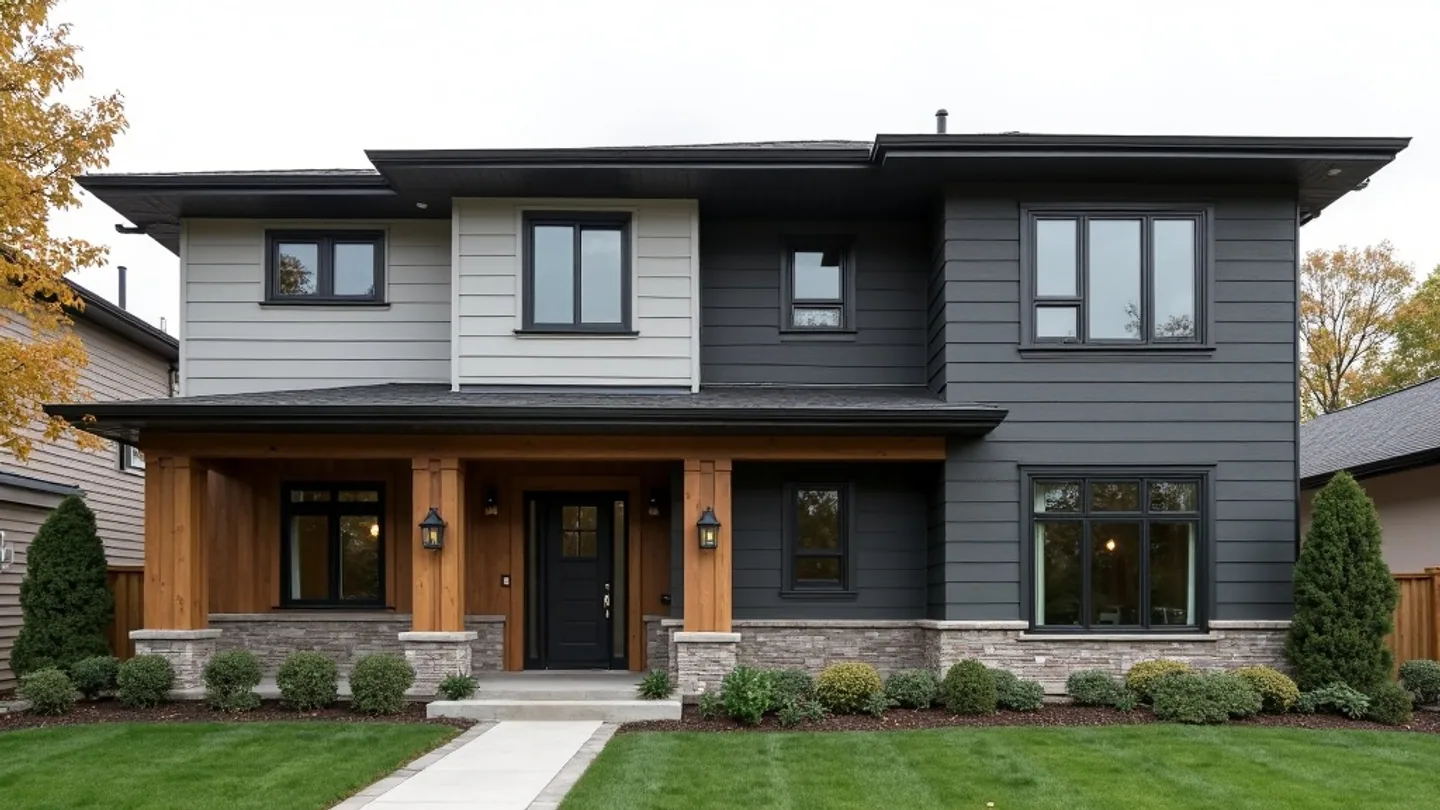
Two quotes land on the same kitchen table. One is for vinyl siding at 7.50 CAD per square foot installed, the other for fibre cement at 16.50 CAD, and the homeowner asks the question every contractor in York Region hears: which one is cheaper in the long run? The honest answer to the fiber cement vs vinyl siding question is not the one the internet usually gives, and we would rather you hear it from a supplier than find out at year 15.
We ran the arithmetic on a 2,000 square foot Ontario wall using the actual specs of the products sitting in our Newmarket warehouse. This piece walks the decision forward through time: what changes on day one, what the first invoice says, what happens at year 15, and where the two walls stand after three decades. If you want the broader material landscape first, our complete guide to vinyl siding in Ontario covers the vinyl side in depth.
What Separates Fiber Cement vs Vinyl Siding?
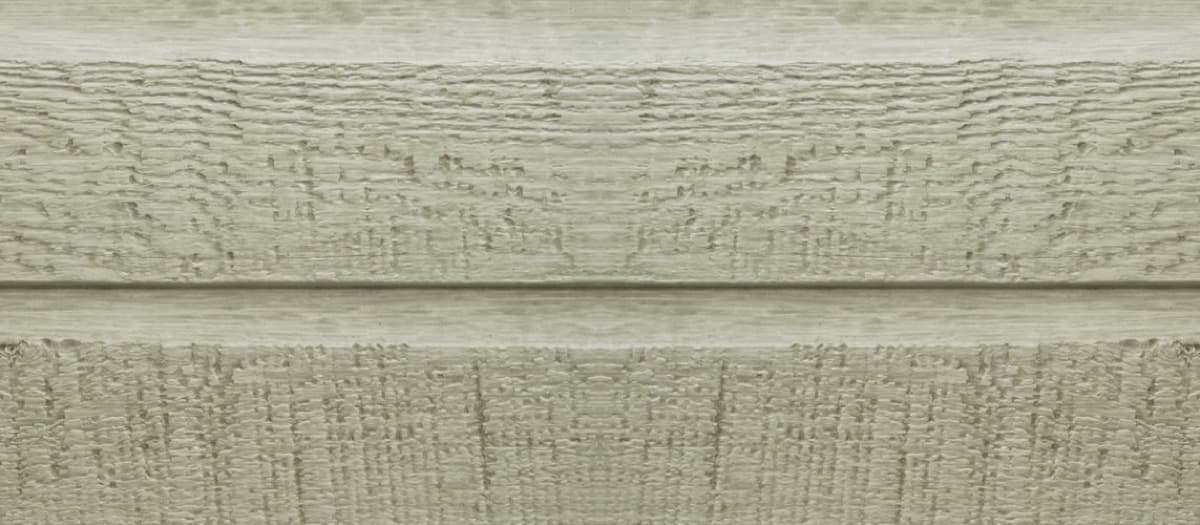
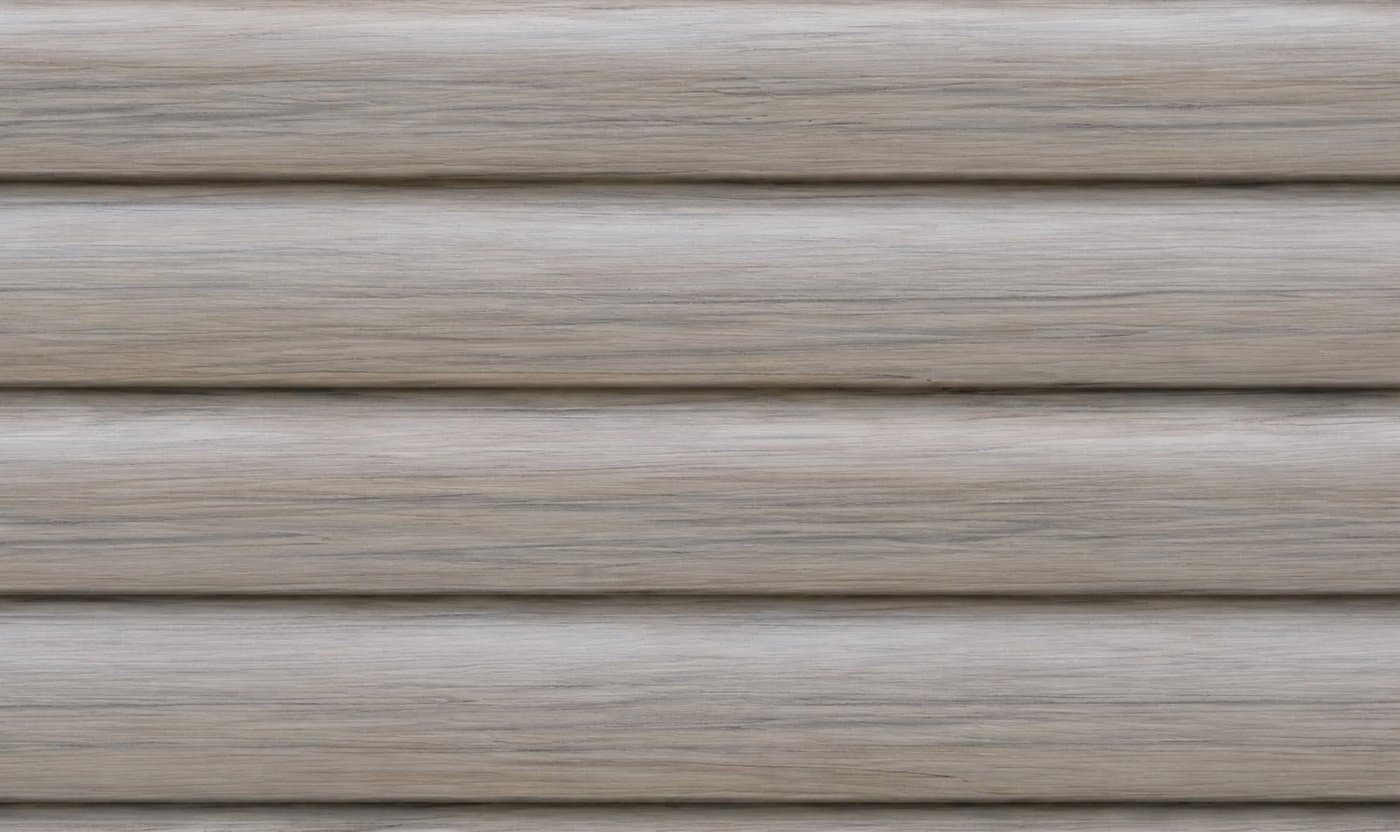
Fibre cement is a cured mix of Portland cement, sand, and cellulose fibre pressed into 5/16 inch board. Vinyl is extruded rigid PVC roughly 0.045 inch thick. One is a noncombustible masonry product fastened tight to the wall, the other is a plastic skin that floats on its nail hem and must be free to move.
Canadian datasheets spell it fibre and American ones spell it fiber, so the fiber cement vs vinyl siding comparison shows up under both spellings. Same product either way. That single structural difference between a rigid board and a floating skin drives almost everything downstream. Fibre cement is dimensionally stable, so it can be face nailed, caulked at butt joints, and painted like wood. Vinyl expands and contracts up to half an inch across a 12 foot panel between a January morning and a July afternoon, so it is hung loose and never fastened tight.
The Allura fibre cement line we stock covers lap siding, vertical panel, soffit, and shake, all 12 feet long, in lap widths from 5-1/4 inch up to 12 inch. Board ships either factory primed, which must be field painted within 180 days, or as Allura Spectrum, pre finished in 25 oven baked Sherwin Williams colours. Full technical data sits on the Allura manufacturer site.
On the vinyl side the closest comparison in our range is Mitten Sentry 44 at 0.044 to 0.050 inch, or the 0.050 inch heavy gauge Kaycan Richmond. Anyone weighing fiber cement vs vinyl siding for an Ontario re clad is realistically choosing between those two tiers.
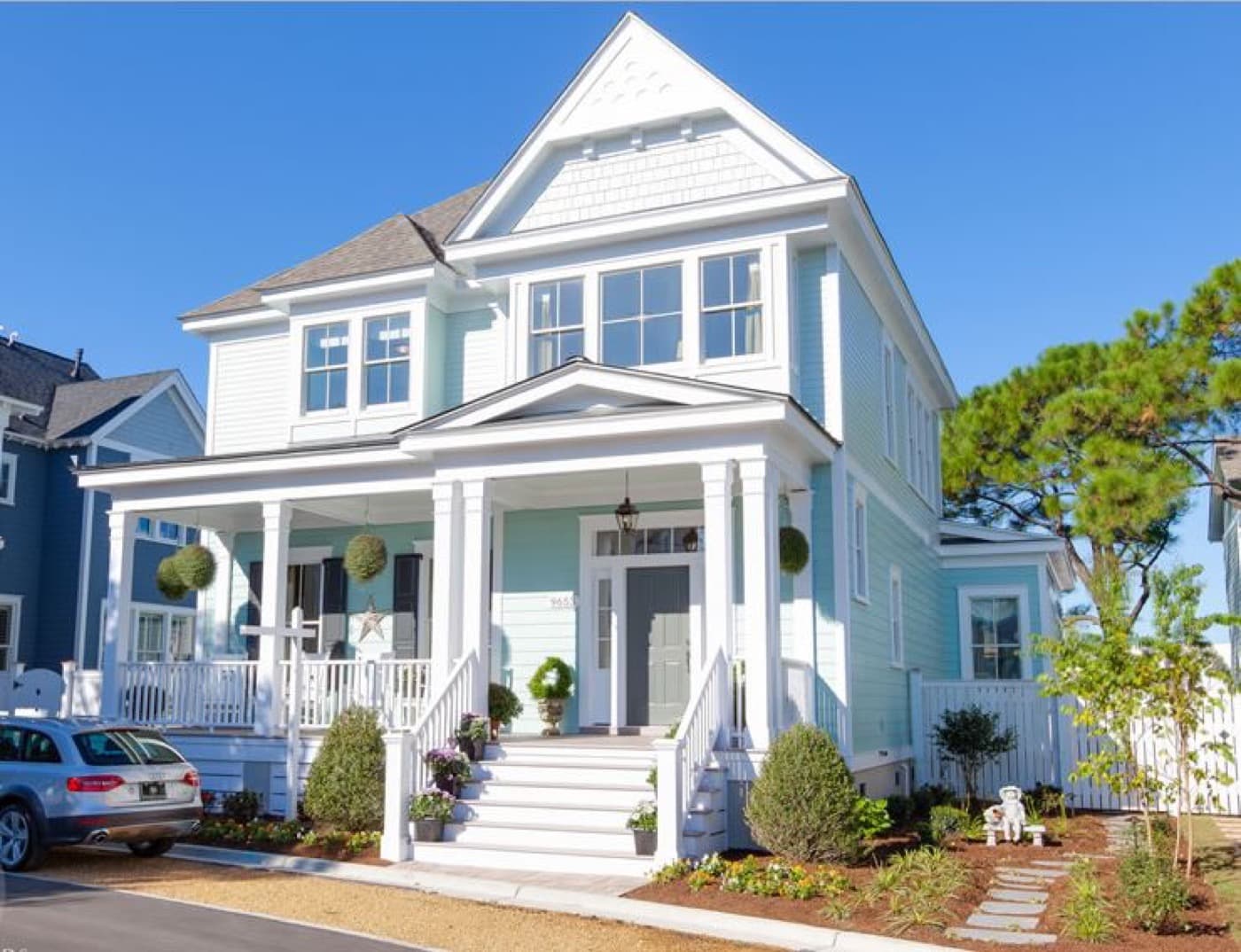
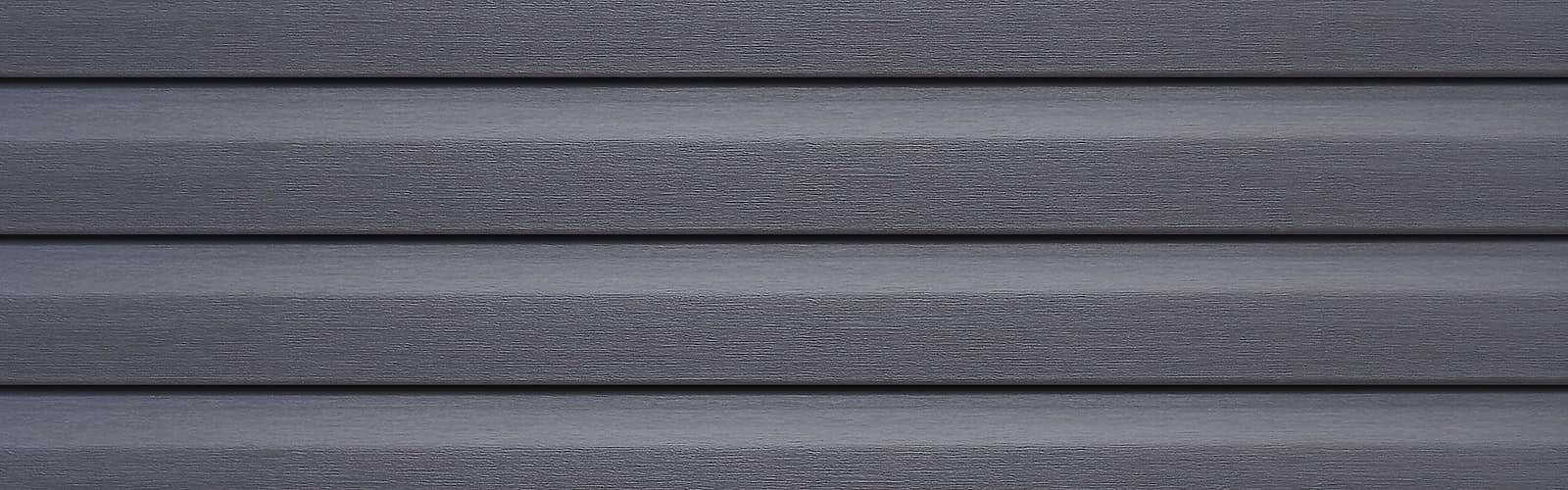
Fibre Cement and Vinyl Siding We Stock in Newmarket


Day One: What Changes on the Job Site
Weight is where the two materials stop being comparable. Allura lap is 5/16 inch (7.9 mm) at a published density of 1,300 kg per cubic metre, which works out to 2.1 lb per square foot of board, or roughly 240 lb per 100 square feet of finished wall once the 9-1/4 inch board is laid at its 8 inch exposure. Vinyl covers the same 100 square feet at about 65 lb.
Four times the mass changes the whole day. Vinyl goes up with two people, tin snips, and a utility knife. Fibre cement needs two people on every 12 foot board, a fastener schedule that reaches framing, and a cutting station.
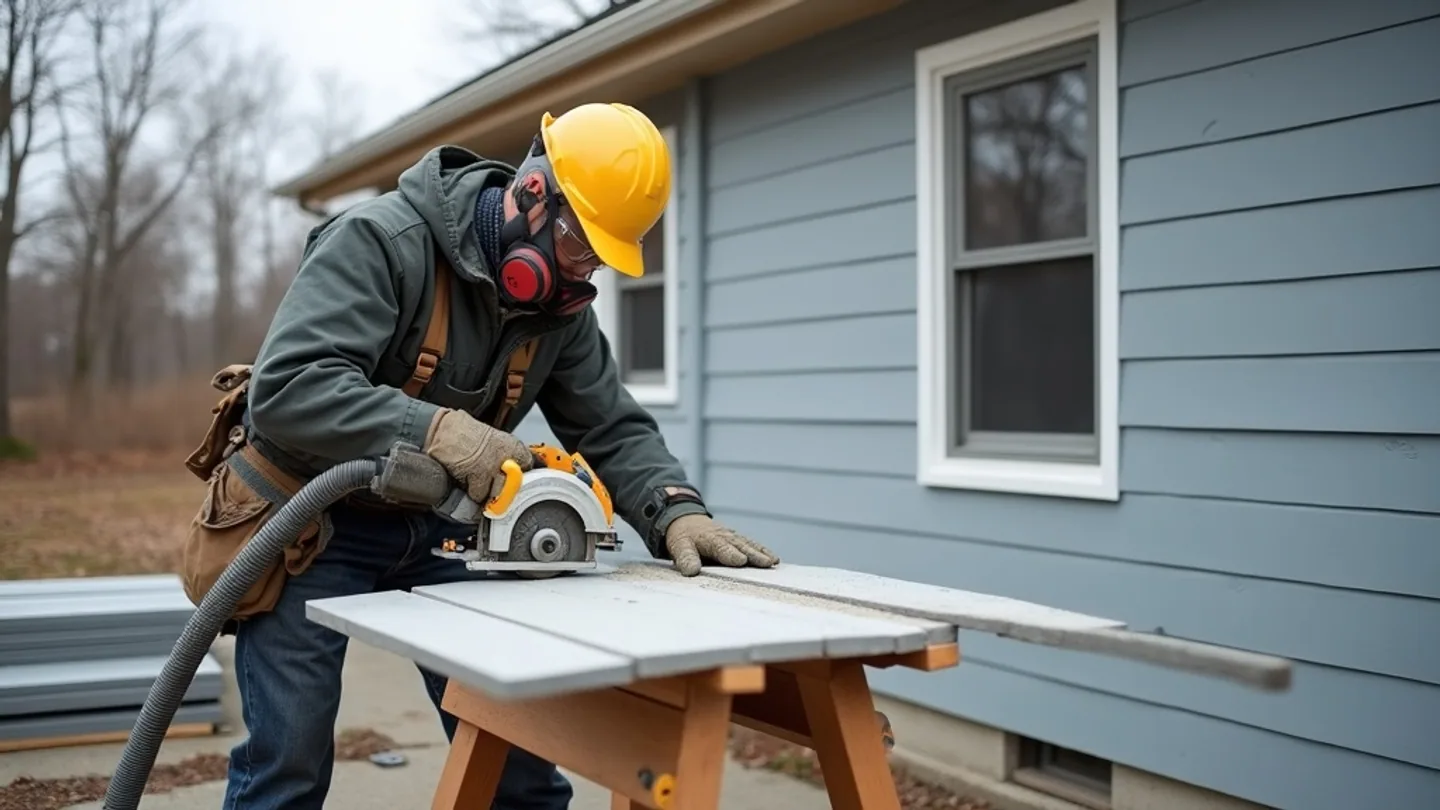 Cutting fibre cement outdoors with shrouded extraction, the way silica control requires on an Ontario site.
Then there is the dust. Cutting fibre cement releases respirable crystalline silica, and Ontario sets the occupational exposure limit for quartz at 0.10 mg per cubic metre under O. Reg. 490/09. Construction projects fall under the Regulation for Construction Projects instead, but the duty does not disappear: sites must be adequately ventilated, and where dust cannot be controlled, suitable respiratory equipment has to be provided. The province's guidance on silica at construction projects is the reference to hand your crew.
| On the job | Vinyl (Mitten Sentry 44) | Fibre cement (Allura lap) |
|---|---|---|
| Thickness | 0.044" to 0.050" | 5/16" (7.9 mm) |
| Board length | 12 ft | 12 ft |
| Weight per 100 sq ft of wall | approx. 65 lb | approx. 240 lb |
| Cutting | Snips, knife, reversed fine tooth blade | Shears or shrouded saw with dust extraction |
| Fastening | Nail hem, hung loose to move | Face or blind nailed into framing |
| Butt joints | Overlap, no sealant | Caulked or flashed |
| Wind rating | 180 mph | -68 psf, 9-1/4" lap (TDI EC-16) |
| Fire behaviour | Combustible | Noncombustible |
| Colours stocked | 38 | 25 Spectrum |
Crew time follows from that table. A two person crew that hangs 700 to 900 square feet of vinyl in a day will do roughly half that in fibre cement, and the difference shows up in the labour line of every quote we see come back through our counter.
How Much Does Fiber Cement Cost vs Vinyl in Ontario?
Standard vinyl siding installs at 6 to 9 CAD per square foot across the GTA in 2026. Fibre cement runs 12 to 18 CAD. On a 2,000 square foot wall that is a first invoice of roughly 15,000 CAD against 33,000 CAD, a gap of about 18,000 CAD before any finish work.
Both of those figures sit inside the wider siding cost comparison for Ontario, which ranks every material we stock per square foot installed and again per year of ownership.
| Cladding | Installed, CAD per sq ft | Repaint cycle | Finish warranty |
|---|---|---|---|
| Standard vinyl siding | 6 to 9 | None | Lifetime fade guarantee (Mitten Highland 42) |
| Insulated vinyl siding | 9 to 12 | None | Limited lifetime |
| Engineered wood siding | 9 to 14 | Prefinished: none. Primed: field paint | 15 years (CanExel) |
| Fibre cement | 12 to 18 | Repaint after the coating warranty | 15 years (Allura Spectrum) |
Two lines in that table do the real work. Vinyl carries its colour for the life of the panel because the pigment runs through the extrusion, and Mitten Highland 42 backs that with a lifetime colour fade guarantee that transfers with the house. Fibre cement carries a coating, and coatings have an end date. Our exterior house colours guide sets the fade limits in each maker's warranty side by side.
If the budget lands between those rows, the middle of the market is worth a look. Engineered wood from LP SmartSide ships in 16 foot boards, which cuts on site seams by up to 33 percent against 12 foot fibre cement, and carries a 50 year prorated substrate warranty. Maibec CanExel arrives prefinished in 18 colours with no field painting at all. Our guide to LP SmartSide and engineered wood siding reads both warranty schedules line by line and shows what each one still pays in year 16.
Year 1 to Year 30: The Maintenance Calendar Splits
Nothing separates these two walls in the first decade. Both get washed. Both shrug off Ontario weather. The divergence starts with the finish warranty, and the finish warranty is a number the manufacturer publishes.
Allura Spectrum carries a 15 year coating warranty. Factory primed Allura carries none at all until the field paint goes on, and that paint has to be applied within 180 days of installation. Vinyl has no coating to fail, which is why Mitten Sentry 44 and Kaycan Richmond both sit under lifetime warranties with fade protection attached rather than a paint schedule.
| Product | Substrate warranty | Finish warranty | Transferable |
|---|---|---|---|
| Mitten Highland 42 vinyl | Lifetime non prorated | Lifetime colour fade guarantee | Yes |
| Mitten Sentry 44 vinyl | Limited lifetime | Lifetime fade protection (Rustic) | Yes |
| Kaycan Richmond vinyl | Limited lifetime | 25 year fade resistance | Yes |
| Allura fibre cement | 30 year transferrable | 15 year Spectrum coating | Yes |
| LP SmartSide engineered wood | 50 year prorated | 5 year 100% material and labour | Yes |
| Maibec CanExel | 25 year substrate | 15 year finish | Yes |
Repainting a two storey Ontario home is not a small line item. Painting contractors across the province quote 2.00 to 4.50 CAD per square foot for siding, with textured surfaces sitting at the upper end because prep and coverage both cost more. Budget 3.00 CAD per square foot for fibre cement and the year 15 invoice on our 2,000 square foot wall is 6,000 CAD.
Which Wall Costs Less After 30 Years?
Vinyl wins at installation and never gives the lead back. After 30 years the vinyl wall has cost about 15,000 CAD, insulated vinyl about 21,000 CAD, and pre finished fibre cement about 45,000 CAD once two repaint cycles are counted. There is no crossover year, because fibre cement carries a maintenance cost that vinyl simply does not have.
Model: 2,000 sq ft of cladding at 7.50, 10.50 and 16.50 CAD per sq ft installed, with fibre cement repaints at 3.00 CAD per sq ft in years 15 and 30. Excludes trim, tear off, and inflation.
Read that chart carefully before you use it as an argument in a fiber cement vs vinyl siding conversation with a homeowner. It says fibre cement is more expensive, which everyone already knows. What it actually proves is that the usual sales line, the one about fibre cement paying for itself over the life of the house, does not survive contact with a repaint schedule and Ontario painting rates.
So the case for fibre cement has to be built on something other than money. That case is real, and it is short: noncombustible cladding where fire separation distance or a municipal requirement demands it, impact and hail resistance on exposed rural elevations, a 5/16 inch shadow line that vinyl cannot reproduce, and dark colours that sit in full southern sun without the thermal distortion risk that pushes homeowners toward specific vinyl formulations. Our guide to vinyl siding colours in Ontario covers how the dark colour question is handled on the vinyl side.
How to Choose Between the Two on a Real Job
At Pro Materials, we quote both materials daily. Contractors who settle the fiber cement vs vinyl siding question well work through the same five steps in the same order.
-
Price the wall, not the square foot. Take off the actual cladding area minus openings, add 10 percent waste, then multiply by the installed range for each material. On most Ontario homes the gap between vinyl and fibre cement lands between 12,000 and 20,000 CAD.
-
Add the repaint schedule to the fibre cement column. Allura Spectrum carries a 15 year coating warranty, so budget a repaint at year 15 at roughly 3.00 CAD per square foot. Factory primed board must be field painted within 180 days, which adds a paint line at year zero.
-
Check what the wall and the crew can carry. Fibre cement lands on the wall at roughly 240 lb per 100 square feet against about 65 lb for vinyl. Confirm the sheathing and fastener schedule, and confirm your crew has dust extraction for silica control.
-
Match the material to the exposure. Specify fibre cement where fire separation, hail, or dark colours in full sun drive the decision. Specify vinyl where budget, speed, and a lifetime transferable warranty matter more than panel mass.
-
Lock the colour before ordering. Spectrum pre finished fibre cement ships in 25 Sherwin Williams colours and cannot be changed once ordered. Mitten Sentry 44 offers 38 vinyl colours. Confirm the colour with the homeowner in writing before the order goes in.
Three job types show how that plays out. A 2,400 square foot two storey re clad in Aurora, where the homeowner wants maximum colour choice and the budget is fixed, is a vinyl job every time. A King Township new build with a detached garage inside the fire separation distance is a fibre cement job on that elevation and vinyl everywhere else. A rural property near Bradford with hail history and no fire constraint usually lands on engineered wood or steel, and our metal siding guide for Canada covers that third route.
Ontario Climate: The Two Failure Modes
Both materials survive Canadian winters. They fail differently when they fail, and both failure modes trace back to installation rather than the material.
Vinyl fails when it cannot move. Nail it tight, butt it hard against a corner post, or skip the expansion gap, and a January cold snap will buckle a wall that would otherwise have lasted 40 years. Every vinyl profile we stock is designed to float, which is the single most important line in the installation manual.
Fibre cement fails at the joints and the ground. Water that reaches an uncaulked butt joint, an unpainted cut end, or board held too close to grade will work into the substrate and cycle through freeze thaw until the edge spalls. Allura holds CCMC 12987-R acceptance and passes CCMC freeze thaw and watertightness testing, so the board itself is proven for the Canadian climate.
Any product number can be checked against the Canadian Construction Materials Centre registry at the National Research Council, which is the only federal code compliance service in the country and the fastest way to settle a fiber cement vs vinyl siding spec argument with a building official. The detailing is what has to be right. Behind the board that means a drainage rated barrier or furring in a high exposure zone, set out facade by facade in our house wrap and permeance guide, and the same discipline applies at the roofline, which our soffit and fascia installation guide works through in detail.
If thermal performance is part of the brief, neither material contributes much on its own. Both need a rigid foam or insulated panel strategy behind them, covered in our insulated vinyl siding guide.
Where to Buy Fibre Cement and Vinyl Siding in Ontario
We stock both sides of this decision, which means nobody at our counter has an incentive to push you toward the more expensive answer. Our Newmarket warehouse carries Allura fibre cement in lap, panel, soffit, and shake, and the James Hardie range that ships to Ontario: Hardie® Plank lap siding, Hardie® Panel, Hardie® Shingle, the 5/8 in. Hardie® Artisan® and Hardie® Architectural Panel, with the matching Hardie® Trim and Hardie® Soffit, alongside the full Mitten and Kaycan vinyl programs. Every fibre cement line we carry is on our fibre cement siding page, and our James Hardie colours guide shows which of the 19 ColorPlus colours also come on Hardie trim and soffit. Contractors comparing the two vinyl brands should read our Mitten and Kaycan head to head comparison before ordering.
We deliver across York Region, the GTA, and Simcoe County. Bring your takeoff to the counter or request a quote with the wall area and both materials, and we will price them side by side on the same sheet. Our service areas page lists the regions we run deliveries into.
NEWMARKET SHOWROOM Unit 5, 1235 Journey's End Cir, Newmarket, ON L3Y 8T7
Phone: +1 (905) 836-7272 Email: info@promaterials.ca
The Middle Ground: Engineered Wood, Insulated Vinyl, and Trim

Priya Nair
Building Materials Buyer & Pricing Analyst
Priya manages purchasing and pricing at Pro Materials. She tracks material cost fluctuations across Canadian suppliers and helps contractors understand volume pricing, lead times, and the real cost breakdown of exterior systems.
Share this article